2026 Best Intermodal Freight Train Innovations and Trends to Watch?
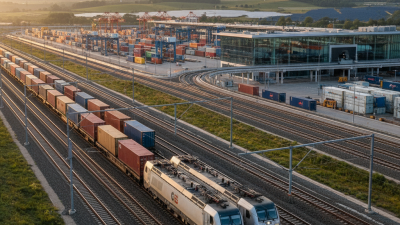
The future of intermodal freight train transportation is evolving rapidly. As technology advances, we see innovative solutions shaping the industry. In 2026, trends will focus on efficiency, sustainability, and enhanced safety measures.
Intermodal freight trains play a crucial role in logistics. They connect different modes of transport, facilitating seamless movement of goods. With the rise of e-commerce, demand for reliable freight services increases. However, challenges such as infrastructure limitations and environmental concerns persist.
This year's innovations aim to address these issues. Developments in automation and real-time tracking promise to improve operational efficiency. Companies are investing in greener technologies to minimize carbon footprints. Nonetheless, these advancements require ongoing evaluation to ensure effectiveness. As we look ahead, the intermodal freight train sector will face both opportunities and challenges, inviting experts to reflect on its trajectory.
Innovative Technologies Transforming Intermodal Freight Train Operations
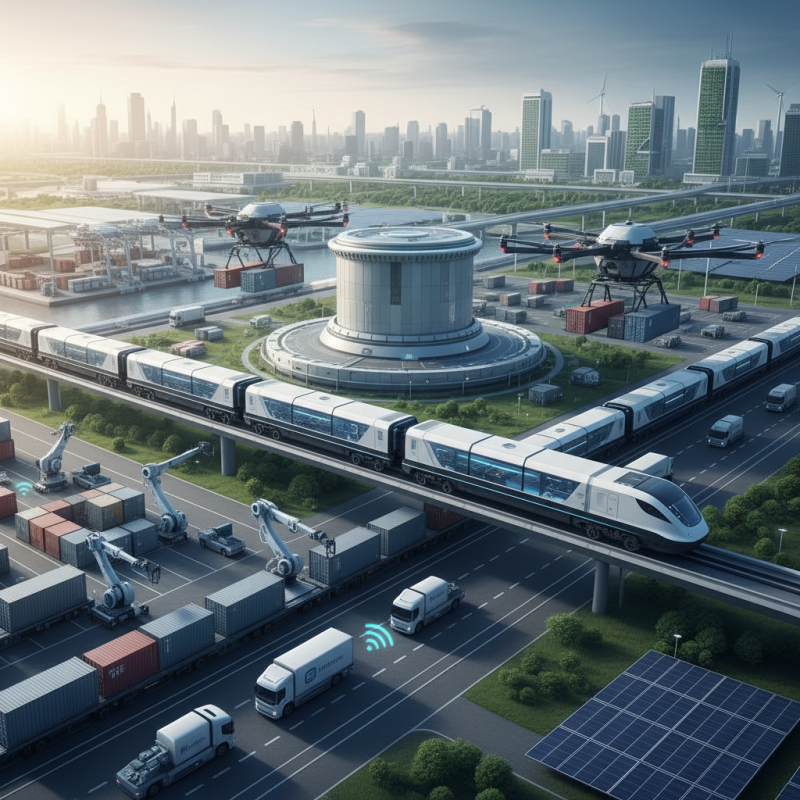
The intermodal freight train industry is witnessing transformative changes. Emerging technologies are reshaping operations and enhancing efficiency. Automation is at the forefront of this evolution. It streamlines processes and reduces human error. Autonomous systems can optimize schedules and manage cargo loads seamlessly.
Real-time tracking is another crucial technology. GPS and sensor technologies allow for precise monitoring of shipments. This feature can significantly reduce delays and improve customer satisfaction. However, the reliance on technology raises concerns about data security and potential failures. Ensuring reliable connections and robust cybersecurity measures is essential.
Sustainability is also a key focus. Innovations in fuel efficiency and alternative energy sources are being explored. These developments aim to reduce the carbon footprint of freight trains. Yet, implementing these technologies requires substantial investment and infrastructure changes. Balancing innovation with practical application remains a challenge for the industry.
2026 Best Intermodal Freight Train Innovations and Trends to Watch
| Innovation/Trend |
Description |
Impact on Efficiency |
Projected Adoption Year |
| Automated Yard Management Systems |
AI-driven systems to optimize cargo handling and tracking. |
Increases cargo throughput by 30%. |
2025 |
| Real-Time Tracking Sensors |
IoT sensors providing live updates on cargo location and condition. |
Improves delivery accuracy by 25%. |
2026 |
| Green Fuel Technologies |
Use of biodiesel and electric trains to reduce emissions. |
Reduces operational costs by 15%. |
2026 |
| Blockchain for Freight Security |
Enhances security and transparency throughout the shipping process. |
Minimizes fraud incidents by 40%. |
2025 |
| Predictive Maintenance Technologies |
Technologies to anticipate and prevent equipment failures. |
Increases reliability and reduces downtime by 20%. |
2026 |
Sustainability Trends Shaping the Future of Intermodal Freight Transport
The intermodal freight transport sector is rapidly evolving, especially concerning sustainability. A recent study by the American Association of Railroads (AAR) revealed that rail transport is, on average, 3 to 4 times more fuel-efficient than trucking when measured per ton of freight. This efficiency presents a compelling case for rail as an environmentally friendly alternative. Companies are increasingly recognizing that shifting to intermodal solutions can significantly reduce their carbon footprint.
Innovations such as low-emission locomotives are emerging as game-changers. These locomotives can cut greenhouse gas emissions by up to 90%. Furthermore, data from the Transportation Research Board indicates that transitioning to green logistics can save up to $1.5 billion annually across the industry. However, some challenges remain. Adapting infrastructure to support electric and hybrid trains requires hefty investments and long-term planning. This complexity may deter some companies from fully embracing sustainable methods.
As awareness grows, the demand for sustainability certification within the logistics supply chain is also rising. Businesses are under pressure to prove their environmental commitments. Yet, achieving transparency in sustainability efforts is not straightforward. Many companies struggle with tracking emissions accurately. Solutions like blockchain technology could improve accountability but are still underutilized. The road to a greener intermodal freight transport system is intricate, marking both a challenge and an opportunity for innovation.
Sustainability Trends Shaping the Future of Intermodal Freight Transport
Key Industry Players Leading Intermodal Freight Train Innovations
The intermodal freight transport sector is evolving quickly. Key players are driving innovation with advanced technologies and efficient practices. These innovations enhance the speed and reliability of freight trains. With a focus on sustainability, companies aim to reduce emissions. Automation and smart data analytics are crucial in optimizing routes and decreasing operational costs.
Tips: Consider using digital platforms to track freight in real-time. This can minimize delays and boost accountability. Regularly analyze route performance to identify areas needing improvement.
Moreover, partnerships are becoming essential in this industry. Companies collaborate to share resources and expertise. This leads to enhanced service offerings and shared risks. Adopting new technologies often comes with challenges. Cultural resistance and training are common hurdles. However, investment in workforce development is increasingly a priority.
Tips: Encourage open communication about change with team members. This can foster a more accepting environment for new solutions. Emphasizing training can help ease the transition to new technologies.
Impact of Digitalization on Intermodal Freight Efficiency and Tracking
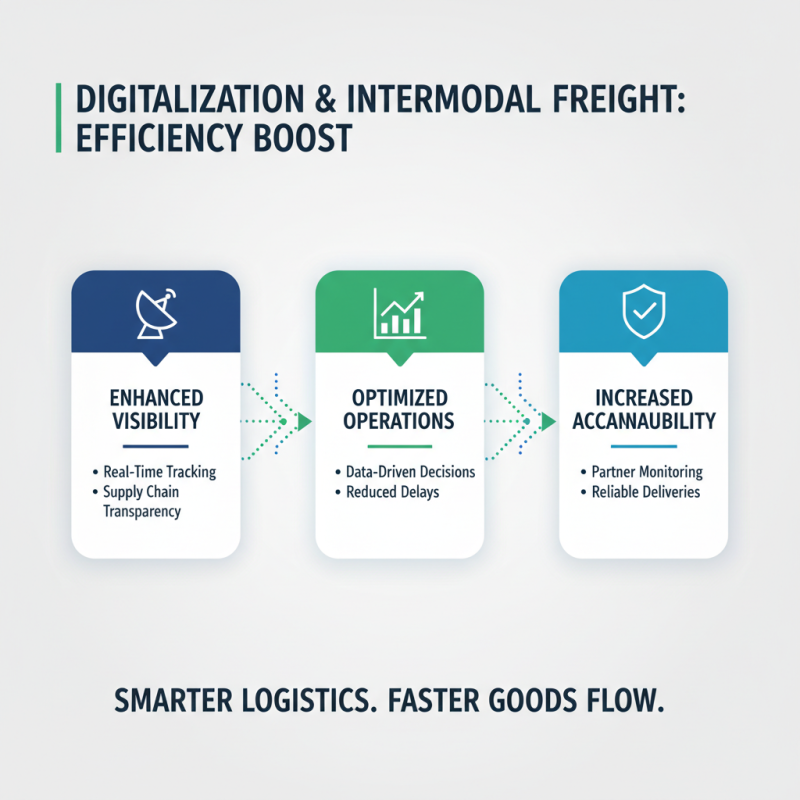
The digital transformation of intermodal freight operations is reshaping how goods are transported today. Innovations in tracking technologies enhance visibility across the supply chain. Real-time data enables firms to monitor shipments more effectively. It creates a sense of accountability among logistics partners. This shift towards digitalization increases efficiency and reduces delays.
However, the implementation of these technologies is not without challenges. Many companies face difficulties integrating systems. Data silos often hinder communication between different logistics operators. The reliance on technology can also lead to vulnerabilities, as cyber threats become more prevalent. Companies must remain vigilant and invest in secure systems.
Moreover, while the benefits are clear, the costs associated with digitalization can be daunting. Small and medium-sized enterprises may struggle to adopt these innovations. They need support and training to compete. Collaboration among industry stakeholders is key. Open dialogues about best practices can help bridge the technology gap. As the industry evolves, the focus should remain on collective progress and shared learning.
Challenges and Opportunities in Intermodal Freight Train Development
Intermodal freight train development faces a mix of challenges and opportunities. One major challenge is the need for infrastructure upgrades. Many rail systems require modernization to handle new technologies and increase efficiency. Outdated tracks and terminals can lead to delays and inefficiencies. This creates a gap between existing capabilities and the demands of modern freight transport.
Opportunities lie in adopting digital technologies. Automation and real-time tracking can enhance transparency. Data analytics can optimize routes, reducing costs and transit times. However, integrating these technologies requires investment and training. Stakeholders must be willing to adapt, but resistance may occur due to uncertainty.
Tip: Invest in cross-training for staff to ease transitions into new technologies. Foster an environment that encourages innovation and continuous learning.
Sustainability has become a pressing issue. Striving for greener practices can attract eco-conscious clients. However, retrofitting older trains and systems can be costly and time-consuming. The shift toward sustainability must be balanced with economic considerations.
Tip: Collaborate with industry partners to share costs and resources for sustainability initiatives. This cooperation can ease the financial burden and lead to creative solutions.