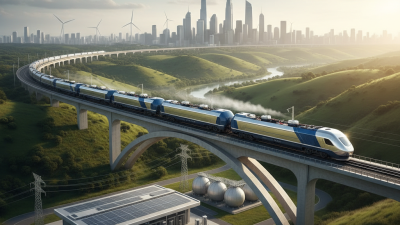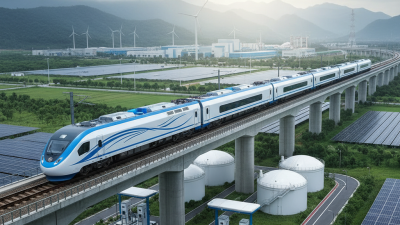
The world of transportation is on the brink of a revolutionary shift. One of the most promising innovations is the Hydrogen Freight Train. This eco-friendly solution aims to reduce carbon emissions in the freight industry. The railway sector has long been a significant contributor to pollution. Hydrogen-powered trains provide a cleaner alternative.
Recent developments show the potential of hydrogen technology. These trains utilize hydrogen fuel cells to generate electricity. This process releases only water vapor, making it a sustainable choice. Companies are investing in infrastructure to support this transition. Yet, challenges exist in the adoption process. The cost of hydrogen production and fueling stations needs addressing.
As we explore the impact of the Hydrogen Freight Train, we must ponder its long-term implications. Will it truly revolutionize freight transport? Or will it face hurdles that limit its effectiveness? The answers to these questions may shape the future of transportation. Understanding both the advantages and challenges is crucial for all stakeholders.
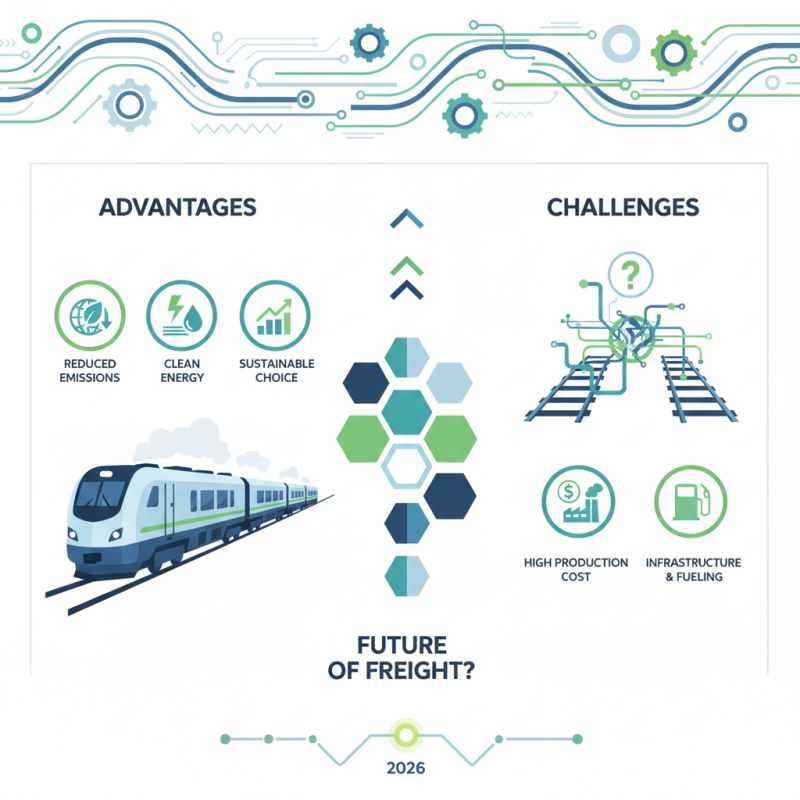
Hydrogen freight trains represent a significant shift in transportation innovation. These trains use hydrogen fuel cells to reduce carbon emissions and improve efficiency. The ability to transport goods sustainably makes them appealing for many stakeholders. This innovation could reshape logistics in a cleaner, greener way.
One notable aspect of hydrogen freight trains is their potential operational costs. While initial investments can be high, fuel savings may offset these costs over time. Remember, hydrogen production methods still require scrutiny. Not all hydrogen is created equally, and its sources can greatly impact the overall environmental benefits.
Tips for those interested in hydrogen technology include focusing on established research. Look into the latest studies on hydrogen fuel cells. Understand the challenges surrounding infrastructure and supply chains. As we embrace these innovations, continue to evaluate safety measures. Conduct thorough assessments to avoid any potential pitfalls in this promising field. It’s a journey that invites both excitement and caution.
| Innovation Type | Description | Environmental Impact | Operational Efficiency | Future Potential |
|---|---|---|---|---|
| Hydrogen Freight Train | A train system using hydrogen fuel cells to power freight transport. | Reduces greenhouse gas emissions and minimizes fossil fuel reliance. | Increased energy efficiency compared to traditional diesel locomotives. | High potential for widespread adoption in various freight sector. |
| Autonomous Freight Systems | Self-driving trucks and trains that streamline logistics processes. | Reduces accidents and emissions due to optimized operations. | Lower labor costs and improved delivery times. | Expanding technology sets the stage for future innovations. |
| Electric Cargo Ships | Shipping vessels powered by electric engines for cargo transport. | Significantly lower emissions compared to conventional ships. | Enhanced fuel efficiency and reduced operating costs. | Potential growth in sustainable shipping solutions. |
| Maglev Freight Systems | Magnetic levitation trains that provide ultra-fast cargo transport. | Eco-friendly and minimizes noise pollution. | Significantly reduced travel time for freight deliveries. | Future developments could connect urban and rural logistics. |
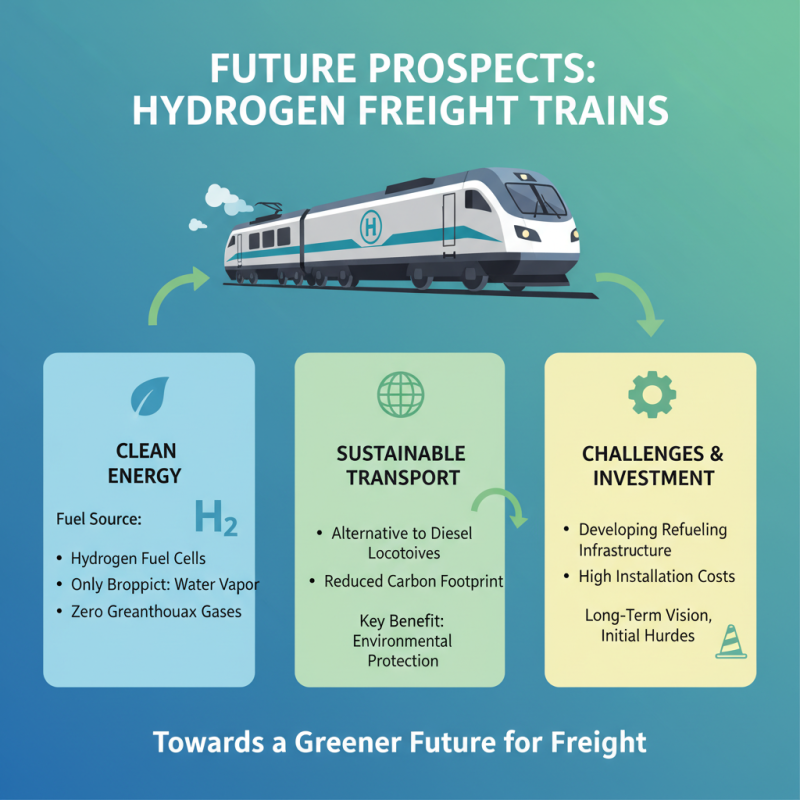
The rise of hydrogen technology presents a breakthrough in freight transport efficiency. This innovation harnesses hydrogen as a clean fuel, reducing greenhouse gas emissions drastically. According to the International Energy Agency (IEA), adopting hydrogen solutions could cut emissions from freight transport by up to 70% by 2030. This shift is vital as logistics currently contributes 14% of global emissions.
Hydrogen freight trains can travel long distances without relying on electric overhead lines. A report from the U.S. Department of Energy highlights that hydrogen trains can achieve a range of over 600 miles on a single tank. This capability significantly enhances operational flexibility. Furthermore, they require less infrastructure compared to traditional electric systems, reducing initial investment costs.
However, challenges remain. Hydrogen production still relies heavily on fossil fuels, which can undermine its environmental benefits. The industry must strive for green hydrogen production methods. Additionally, developing refueling infrastructure for hydrogen trains presents logistical hurdles. These areas need careful consideration. Addressing these issues is essential for realizing the full potential of hydrogen in freight transport. With targeted investment and innovation, hydrogen technology can reshape the future of logistics.
This chart illustrates the projected annual efficiency improvements in freight transport using hydrogen technology from 2023 to 2026. The data showcases the increasing percentage of fuel efficiency and reduction in greenhouse gas emissions.
The transportation sector is evolving rapidly, with hydrogen freight trains emerging as a prominent alternative to traditional systems. Hydrogen trains promise a greener future, emitting only water vapor rather than greenhouse gases. This shift is gaining traction as pollution from diesel locomotives poses significant environmental challenges. According to a report by the International Energy Agency, freight transport accounts for approximately 6% of global greenhouse gas emissions. Implementing hydrogen technology could drastically reduce this figure.
Economically, the initial investment for hydrogen train infrastructure is substantial. However, operational costs are expected to decrease over time. A study by the European Commission indicated that hydrogen trains could achieve up to 40% lower operational costs compared to diesel counterparts in the long run. This potential switch could not only enhance sustainability but also improve logistics efficiency.
Challenges remain. Hydrogen production currently relies largely on fossil fuels, raising questions about true sustainability. Additionally, infrastructure for hydrogen refueling is limited, hindering rapid adoption. Experts suggest that overcoming these hurdles requires coordinated efforts from governments and industry stakeholders. Addressing these concerns is crucial for the long-term success of hydrogen freight trains.
The transition to hydrogen freight trains presents a range of challenges that must be addressed for successful implementation. One major issue is infrastructure. Current rail systems often lack the necessary refueling stations for hydrogen. According to the International Energy Agency (IEA), only 5% of global rail infrastructures are compatible with alternative fuels. This creates a significant barrier, delaying the integration of hydrogen technology into existing operations.
Furthermore, safety regulations around hydrogen storage and transport need thorough review. Hydrogen is flammable and must be handled carefully. A report from the Hydrogen Risk Assessment Group highlights that training for personnel is crucial. Safety drills and updated protocols should be part of training programs. This approach minimizes risks and enhances overall operational safety.
Cost is another critical factor. The hydrogen production process is currently expensive. Reports indicate that generating green hydrogen can cost over $5 per kilogram. While this number is expected to drop, current expenses deter many companies from adopting hydrogen technologies. Some companies may find that initial investments outweigh long-term benefits, hindering progress in the sector. Industry stakeholders must actively engage in collaborative partnerships to share resources and expertise.
Hydrogen freight trains represent a significant leap towards sustainable transport solutions. These trains run on hydrogen fuel cells, producing only water vapor as a byproduct. This feature makes them an attractive alternative to diesel locomotives, which emit harmful greenhouse gases. The transition to hydrogen is not straightforward. Infrastructure for hydrogen refueling is still developing and can be costly to install.
Implementing hydrogen freight trains could reduce operational costs in the long run. They promise lower maintenance expenses due to fewer moving parts compared to combustion engines. However, challenges remain, such as the sourcing and production of green hydrogen. Current methods often rely on fossil fuels, raising questions about overall sustainability. Continuous research is crucial to improve hydrogen production while maintaining environmentally friendly practices.
Public acceptance of hydrogen technology also poses a challenge. Many people are still unfamiliar with how hydrogen fuel works. Educating the public and policymakers about the benefits is vital for broader acceptance. Such innovations need robust support from governments and industries alike. Hydrogen freight trains could revolutionize the transport sector, but they must be integrated thoughtfully into existing systems.