2026 Top Trends in European Rail Transport You Should Know?
The landscape of European Rail Transport is rapidly evolving. As we approach 2026, several key trends are reshaping how railways operate across the continent. These trends are driven by technological advancements, sustainability goals, and passenger expectations.
One significant change is the integration of digital technology. Innovations like real-time tracking and smart ticketing enhance efficiency. However, not all regions keep pace with these developments. Some rail networks are stuck, causing uneven progress within the industry.
Sustainability is another cornerstone of these trends. Many rail companies aim to reduce their carbon footprints. Yet, challenges remain in achieving measurable outcomes. The balance between modernization and maintaining older systems can hinder progress. Understanding the dynamics of European Rail Transport will be essential for stakeholders in the coming years.
Emerging Technologies Transforming European Rail Transport by 2026
The landscape of European rail transport is set to transform significantly by 2026. Emerging technologies will play a pivotal role. Digitalization is one key area. Smart sensors and real-time data analytics will enhance operational efficiency. These innovations help in predictive maintenance, ensuring trains are safer and more reliable.
Automation is another transformative factor. Fully automated trains promise to revolutionize passenger experience. They can reduce delays and improve punctuality. This shift requires investment in infrastructure and skilled workforce training. However, integrating such systems will still pose challenges. Balancing innovation with existing frameworks can be complicated.
Sustainability remains a critical element as well. Electric and hybrid trains aim to reduce carbon emissions. However, transitioning to greener technologies demands significant resources. Policymakers must ensure that investments align with long-term environmental goals. Embracing these technologies may not be easy, yet the potential benefits are substantial. The rail industry is on the brink of a significant evolution, requiring careful navigation.
Sustainability Initiatives Shaping the Future of Rail Systems
Sustainability is more than a trend; it’s a necessity in European rail transport. Initiatives focus on reducing carbon emissions and promoting eco-friendly technologies. Transitioning to electric trains is one key area. These trains greatly decrease reliance on fossil fuels. They offer a cleaner alternative, aligning with global climate goals.
Investing in renewable energy sources is also vital. Solar panels along rail tracks can generate significant energy. This approach allows rail systems to power themselves sustainably. Innovations, like hydrogen-powered trains, are emerging. However, challenges remain in infrastructure adaptation and public acceptance.
Tips: Consider your travel choices. Opt for train travel over driving when possible. Small changes can lead to significant impacts. Support policies promoting clean energy use in the transport sector. Engaging in local discussions can help elevate the importance of sustainability in your community. Every conversation counts in this crucial age of change.
Enhancements in Passenger Experience and Smart Ticketing Solutions
The European rail transport sector is undergoing significant changes, particularly in passenger experience and smart ticketing solutions. Recent studies indicate that 75% of travelers desire a more personalized journey. This demand drives innovations in service delivery and technology integration. Enhanced passenger experience means better on-board amenities and real-time information. Improved services can lead to increased satisfaction and loyalty among travelers.
Smart ticketing has revolutionized how passengers purchase and validate their tickets. Reports show that contactless payment systems have grown by 30% in usage within the last two years. Passengers value convenience and efficiency, prompting rail operators to adopt mobile ticketing options. However, challenges remain. Not all systems are user-friendly, and some travelers still face difficulties navigating digital platforms. More training may be needed to ensure inclusive access to these technologies.
Data suggests that 40% of users prefer traditional ticketing methods due to concerns about tech reliability. Addressing these apprehensions is crucial. Operators must balance advanced technology with traditional methods to cater to all demographics. The integration of feedback loops could be a step toward improvements, ensuring that every passenger's needs are heard and met. This ongoing evolution in rail transport presents opportunities and challenges worth examining closely.
Impact of Autonomous Trains on European Rail Networks
The advent of autonomous trains is reshaping European rail transport. According to the International Railway Journal, the market for autonomous systems in railways is projected to reach $1.2 billion by 2026. This transformation brings safety and operational efficiency to the forefront. Autonomous trains can reduce human error, which accounts for approximately 30% of rail accidents as reported by the European Union Agency for Railways.
However, this innovation also raises critical questions. The integration of AI and machine learning into existing rail networks poses challenges. There is a lingering concern about the cybersecurity of these systems. A report from the European Commission highlighted that 60% of rail operators fear potential cyberattacks on autonomous technologies.
Furthermore, the regulatory framework surrounding autonomous trains is still developing. Each country may adopt different standards and practices, leading to fragmentation. This could complicate international rail operations. Stakeholders must recognize the need for collaboration and standardization. The potential benefits of autonomous trains are significant, but their implementation must be approached cautiously.
Infrastructure Upgrades: Innovations in Tracks and Stations
Innovations in rail transport are transforming the landscape of European infrastructure. Upgrading tracks and stations is essential for enhanced efficiency and passenger experience. New materials, such as advanced composites and recycled steel, improve durability and reduce maintenance costs. Modern tracks can withstand larger loads and extreme weather conditions.
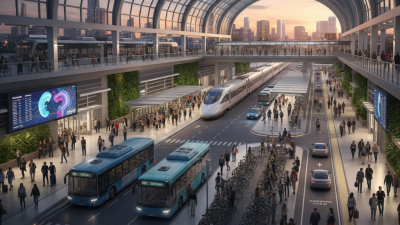
Station design is also evolving. Many new stations feature multi-modal transport systems. They integrate buses, bicycles, and pedestrians seamlessly. This holistic approach encourages public transport use, reducing congestion in urban areas. Additionally, automated systems are becoming common. Smart ticketing systems streamline the passenger experience, making travel smoother.
Yet, challenges remain. Implementing these upgrades requires substantial investment and coordination among various stakeholders. Some projects face delays due to bureaucratic hurdles or unforeseen obstacles. Continuous improvement is crucial as cities adapt to rapid technological changes and growing passenger demands. Balancing innovation with practical considerations will define the future of rail transport in Europe.
2026 Top Trends in European Rail Transport You Should Know
| Trend |
Description |
Impact on Infrastructure |
Expected Completion |
| Smart Tracks |
Integration of IoT technology for real-time monitoring and maintenance. |
Enhances safety and efficiency, reducing the risk of failures. |
2026 |
| Electrification Expansion |
Increased investment in converting lines to electric to reduce carbon emissions. |
Significantly lowers the carbon footprint of rail transport. |
2025 |
| Modular Stations |
Development of flexible and modular designs for train stations. |
Improves accessibility and reduces construction times. |
2026 |
| High-Speed Rail Networks |
Expansion of high-speed rail lines to connect major cities. |
Enhances regional connectivity and reduces travel time. |
2027 |
| Sustainability Initiatives |
Focus on green practices for rail construction and operation. |
Promotes energy efficiency and minimizes environmental impact. |
Ongoing |