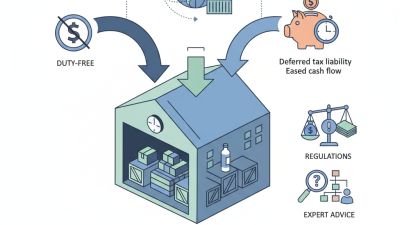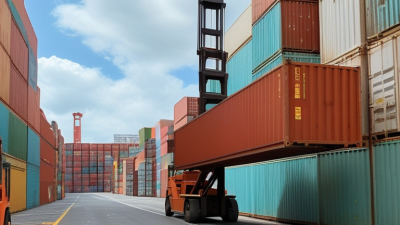
For global buyers, an Underbond Warehouse is more than a locked storage site. It is a controlled point between arrival, customs clearance, and final delivery. Imported goods can remain securely stored while required duties, taxes, documents, and inspections are managed. This arrangement may improve cash flow and reduce unnecessary movement. However, benefits depend on local customs rules, warehouse approvals, and product-specific requirements.
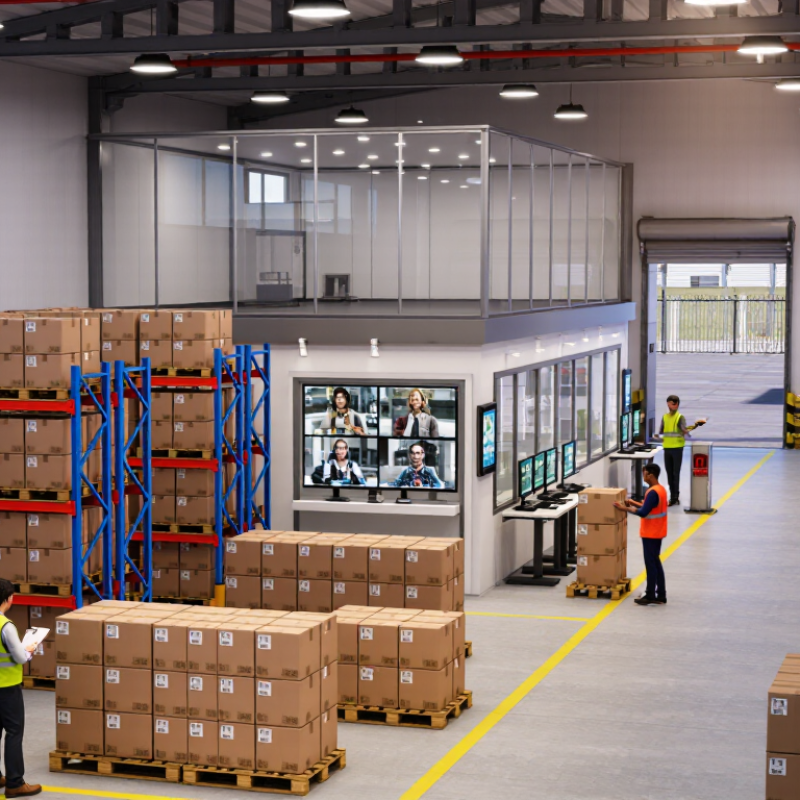
A reliable facility should provide clear inventory records, restricted access, CCTV coverage, trained staff, and documented handling procedures. Ask how each carton is received, labeled, counted, and released. A practical site visit can reveal details that brochures often miss. Check loading areas, pallet conditions, temperature controls, and emergency systems. Digital tracking also matters. Buyers should expect timely updates, accurate reports, and a clear audit trail from vessel arrival to dispatch.
The strongest providers combine operational experience with transparent communication. They explain storage charges, inspection processes, release instructions, insurance limits, and possible delays before goods arrive. Independent certifications and customer references can support that assessment, but they should not replace direct verification. No warehouse is perfect. Even a well-managed facility can face congestion, documentation errors, or changing border procedures. That is why buyers should compare service terms carefully and confirm responsibilities in writing. This 2026 guide examines key selection factors, regional considerations, cost questions, and risk controls. It is designed to help purchasing teams make informed decisions without relying on vague promises. Local professional advice remains important, because customs treatment varies by country, shipment type, and transaction structure.
An underbond warehouse is a customs-controlled facility where imported goods remain before duties and taxes are paid. The goods can stay there while documentation, inspections, and delivery plans are completed. They are not treated as freely available domestic stock. Access, movement, and records require careful authorization. In practice, this arrangement can protect cash flow for global buyers. Payment is often linked to release, not arrival.
For 2026 purchasing teams, the value is more than delayed duty payment. An underbond site can support staged distribution, inventory checks, and clearer landed-cost planning. It may also reduce unnecessary handling when shipments serve several markets. However, the benefit depends on accurate product descriptions, complete invoices, and timely customs coordination. Rules differ by country, cargo type, and warehouse approval. A process that works in one port may fail elsewhere. That detail is easy to underestimate.
Reliable buyers should verify the warehouse’s authorization, security controls, insurance, and record-retention practices. Ask who is responsible for shortages, damage, and delayed release. Digital stock records help, but they do not replace physical counts. Small errors can become expensive. I would test the process with one controlled shipment before scaling. This is not perfect advice; trade conditions change, and local guidance may need review. A qualified customs professional should confirm the final procedure.
An underbond warehouse stores imported goods before customs duties and taxes are settled. The process begins before arrival. The buyer or appointed broker prepares the commercial invoice, packing list, transport document, and required permits. Product descriptions must match every document. Small differences can delay inspection.
When the shipment arrives, warehouse staff check the seal, cartons, marks, quantity, and visible condition. They record the goods in an inventory system and keep them physically separated from cleared stock. Customs may inspect selected cartons or request additional evidence. The buyer then submits the import declaration through the approved customs channel. Duty, tax, and other charges are calculated from the declared value, classification, origin, and transport details. Rules vary by country.
After customs approval and payment, the warehouse receives a release instruction. Staff update the stock status, pick the authorized cartons, and arrange delivery. The driver should carry matching collection details. Keep records. In real operations, labels can become unreadable, and quantities may be counted incorrectly. A second check is worth the minutes it takes. Buyers should also confirm storage fees, inspection charges, insurance responsibility, and the permitted storage period before booking space. These details are easy to overlook, especially during peak seasons.
How the underbond warehousing process works step by step
The chart shows a typical end-to-end workflow and indicative elapsed time for an underbond shipment, from arrival notification to customs-approved release. Actual timing depends on cargo classification, document accuracy, inspection requirements, port congestion and customs authority procedures.
An underbond warehouse supports global buyers by holding imported goods before customs clearance, duty payment, or approved onward movement. Its value extends beyond storage. Experienced teams receive cartons, verify quantities, record damage, and match each shipment with commercial documents. They may also provide inventory tracking, pallet consolidation, labeling, order preparation, and transport coordination where regulations permit.
Compliance begins with accurate data. Buyers should confirm HS codes, product descriptions, country of origin, customs value, invoices, packing lists, and required import permits. The warehouse should maintain a clear audit trail for every movement. Access controls, CCTV, seal checks, and documented stock counts reduce avoidable disputes. Small errors matter. A single carton mismatch can delay an entire release.
Rules differ between jurisdictions, so a global buyer should request written procedures and current licensing evidence. Ask how the operator handles inspections, damaged goods, stock adjustments, retention periods, and customs communication. Do not rely on verbal assurances alone. In practice, no compliance checklist stays perfect; product changes, route changes, and new regulations can expose gaps. Regular reviews with qualified customs advisers remain sensible. Good service is visible in ordinary details: timestamped scans, clean storage zones, prompt exception reports, and staff who can explain why a shipment is held. Reliability is built slowly.
2026 Best Underbond Warehouse Guide for Global Buyers
How to Choose the Right Underbond Warehouse for Your Cargo
Choosing an underbond warehouse starts with your cargo, not its advertised storage rate. Check whether the facility handles your goods’ classification, packaging, and required control conditions. A warehouse near the port may reduce transport time, but road congestion can erase that advantage. Ask for recent handling records, operating hours, and clear procedures for customs inspections.
Walk through the site if possible. Look for sealed loading bays, working cameras, visitor logs, and clean, dry storage zones. Temperature-sensitive cargo needs calibrated monitoring, backup power, and documented alarm responses. General cargo still needs sensible segregation. Mixed pallets create avoidable counting errors. Confirm how the warehouse records arrivals, transfers, damage, and release instructions. Every movement should leave a trace.
Review the operator’s customs authorization, staff training, insurance limits, and emergency plan. Request sample reports before signing. Vague answers deserve caution. A low quote may exclude unloading, scanning, handling, or weekend release fees. It can become expensive quickly. I would also test communication with one small shipment before moving critical inventory. No checklist catches every exception. A facility may look excellent during a tour and struggle during peak season. Ask how it manages delays, system outages, and damaged cartons. The right choice balances compliance, visibility, cargo protection, and practical access.
| Cargo Profile | Recommended Storage Zone | Typical Temperature Requirement | Key Customs-Control Feature | Security and Traceability | Handling Equipment | Practical Planning Window | Buyer Priority |
|---|---|---|---|---|---|---|---|
| General consumer goods | Standard racked or block-stacked area | Ambient; normally 15–30°C unless product instructions state otherwise | Bonded inventory ledger, customs declaration matching, controlled release | CCTV, restricted access, barcode or RFID location records | Forklift, pallet racking, dock leveller, loading bays | Short to medium term; confirm the local customs time limit | Low handling cost and accurate stock reporting |
| High-value electronics | Caged, alarmed, access-controlled secure zone | Stable ambient conditions; protect from moisture, dust and electrostatic discharge where applicable | Serialized item records and release only against approved customs instructions | 24/7 surveillance, visitor logs, seal controls, serial-number scanning | ESD-safe workstations, padded handling areas, precision scanners | Short dwell preferred to reduce insurance and obsolescence exposure | Loss prevention, serial accuracy and rapid order release |
| Pharmaceuticals and temperature-sensitive healthcare goods | Validated temperature-controlled room or cold-storage zone | Common ranges include 2–8°C, 15–25°C or frozen storage; use the product label and approved shipping instructions | Batch, lot, expiry and customs status captured before any movement | Continuous temperature monitoring, alarm escalation, access logs and deviation records | Validated cool-room equipment, insulated staging, calibrated data loggers | As short as possible; confirm product stability and local regulatory requirements | Temperature compliance, validation evidence and documented corrective action |
| Perishable food and agricultural products | Refrigerated, frozen or ventilated food-grade zone | Product-specific; chilled commonly 0–5°C and frozen generally −18°C or below | Lot traceability, inspection readiness and controlled release documentation | Hygiene program, pest control, temperature logs and segregation of incompatible goods | Cold-room docks, pallet equipment, food-safe surfaces and rapid doors | Fast clearance and dispatch; shelf life must be checked at receipt | Product integrity, sanitary controls and minimum border delay |
| Chemicals and dangerous goods | Approved dangerous-goods area with compatible segregation | As specified by the safety data sheet and applicable transport rules | Document review, classification records, permit checks and controlled release | Fire protection, spill response, restricted access and incident reporting | Hazardous-area equipment, spill kits, grounding and approved lifting gear | Minimize dwell time and verify storage compatibility before booking | Legal acceptance, safety controls and emergency preparedness |
| Oversized machinery and project cargo | Ground-level, open-yard or high-clearance project area | Weather protection or covered storage according to equipment specifications | Piece-level inventory, photographs, seal records and movement authorization | Perimeter security, condition reports, access permits and cargo-survey records | Cranes, reach stackers, heavy forklifts and reinforced loading surfaces | Project schedule dependent; include lifting and rehandling lead time | Site capacity, lifting plans, damage prevention and access flexibility |
| Textiles, footwear and fashion inventory | Dry, clean racking or carton-flow storage zone | Ambient and dry; avoid condensation, excessive heat and direct sunlight | SKU, size, color, carton and customs-status visibility | CCTV, stock counts, carton seals and protection against moisture and pests | Barcode scanners, garment rails or shelving where required | Seasonal; plan around sales windows and permitted customs storage duration | Flexible picking, accurate SKU control and low damage rates |
| Vehicles, spare parts and after-sales inventory | Covered vehicle bay or parts-specific racking zone | Ambient, dry and protected from corrosion; battery requirements must be checked | VIN, serial, part-number and customs-status tracking with authorized release | Perimeter controls, key management, inspection photos and cycle counts | Vehicle ramps, lifting equipment, shelving and battery-maintenance facilities | Medium term; align stock rotation with warranty and service requirements | Identification accuracy, corrosion prevention and responsive dispatch |
An underbond warehouse lets importers defer customs duties while goods remain under customs control. This can protect cash flow, especially when shipment volumes change. However, deferred duty is not free storage. Rent, handling, inspections, documentation, insurance, and local transport can quickly increase the landed cost. Ask for a complete fee schedule before booking space. Small charges often hide in release and after-hours handling.
Risks begin with unclear responsibility. Confirm who manages customs declarations, inventory records, security, and cargo insurance. Check the warehouse’s authorization, audit history, access controls, and emergency procedures. A single stock-count error may delay release or create an unexpected duty assessment. Product classification and customs value also require professional review. Do not rely only on supplier descriptions. They may be incomplete or outdated.
In practice, international buyers should use written service agreements with clear storage limits and release procedures. Match warehouse records against purchase orders, packing lists, and transport documents after every inbound movement. Keep digital copies of permits, inspections, and duty calculations. Set alerts for storage deadlines and cargo condition checks. Include a contingency plan for inspections, port congestion, or system outages. A spreadsheet can look perfect while physical stock differs. I have found that regular independent checks reveal problems earlier, although they add cost. That cost is often easier to manage than a delayed shipment, disputed valuation, or damaged inventory. Clear communication with a qualified customs professional remains essential when rules or product details change.