What is Airfreight Logistics and How Does It Benefit Your Business?
Airfreight Logistics has become pivotal for businesses aiming to enhance their global reach. As expert Frank Johnson, a prominent figure in the air cargo industry, notes, "Efficient logistics can transform a company’s operations." This highlights the essential role of Airfreight Logistics in today’s fast-paced market.
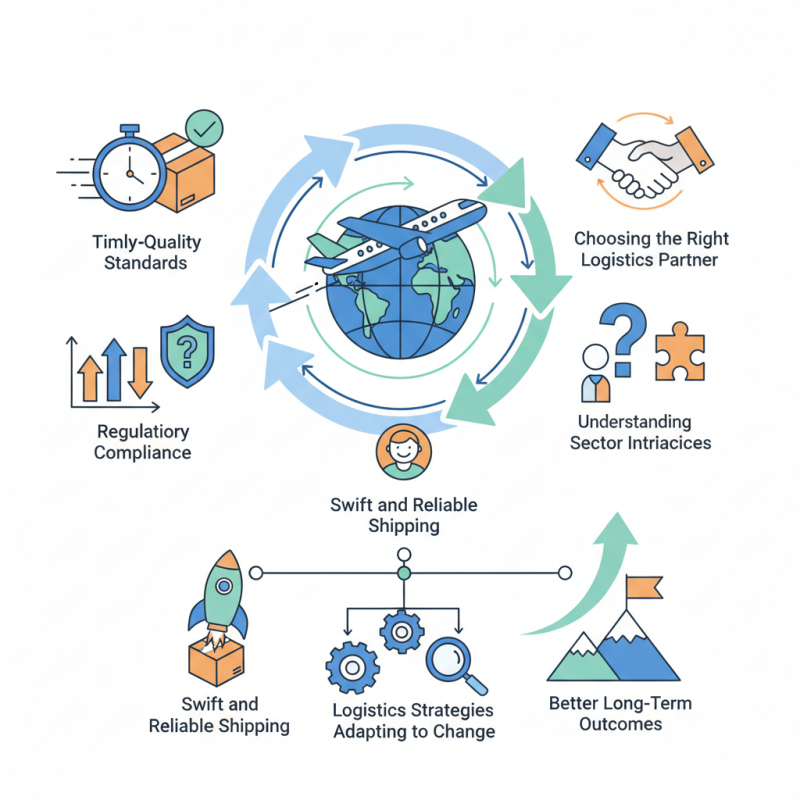
By using Airfreight Logistics, companies can ensure timely delivery while maintaining high-quality standards. However, it’s crucial to navigate challenges such as fluctuating costs and regulatory compliance. Businesses often struggle with choosing the right logistics partner. Thus, understanding this sector's intricacies is vital for success.
In a world where customer expectations soar, swift and reliable shipping solutions are essential. Airfreight Logistics can significantly reduce transit times, enhancing customer satisfaction. Nevertheless, organizations must reflect on their logistics strategies and adapt to the ever-changing landscape. Being proactive in logistics talks can lead to better long-term outcomes.
Understanding Airfreight Logistics: Definition and Scope
Airfreight logistics is a crucial component of global trade. It involves the transportation of goods via aircraft, enabling rapid delivery across long distances. The scope of airfreight logistics encompasses a range of services, including customs clearance, packaging, and tracking. These services play a vital role in ensuring that shipments arrive on time and in perfect condition.
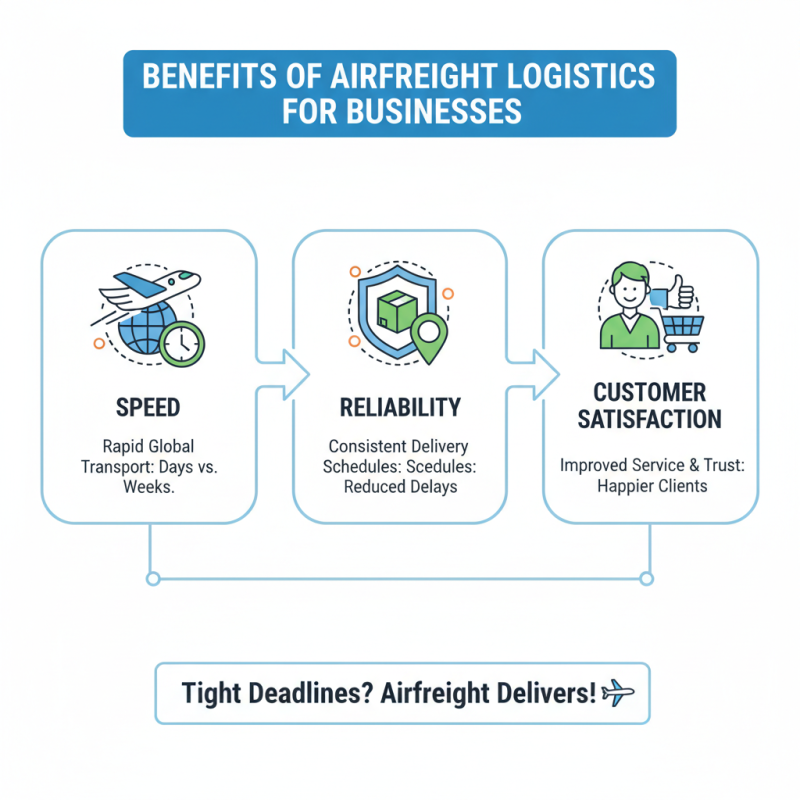
Understanding airfreight logistics requires recognizing its benefits. Speed is the most obvious advantage. Businesses can transport perishable goods, high-demand products, or urgent shipments within hours. This efficiency minimizes inventory costs and enhances customer satisfaction. However, airfreight can be more expensive than other modes of transport, which may not fit all business budgets. Careful consideration is essential when planning logistics strategies.
In addition to speed, airfreight logistics provides reliability. Airlines have established schedules, and tracking technologies offer real-time updates. Yet, unforeseen circumstances like weather disruptions can impact schedules. Businesses must remain adaptable and have contingency plans. Leveraging airfreight effectively means balancing speed, cost, and reliability. Navigating these complexities can enhance logistics operations and drive growth.
What is Airfreight Logistics and How Does It Benefit Your Business?
| Dimension |
Description |
Benefits |
| Speed |
Airfreight is the fastest mode of freight transport, ideal for urgent shipments. |
Reduces lead times, enabling quicker delivery to customers. |
| Cost |
Generally more expensive than other modes of transport, but costs vary based on weight and distance. |
Saves costs in inventory management due to faster turnaround. |
| Flexibility |
Capable of accommodating diverse types of goods, including perishables. |
Enables businesses to meet varying customer demands effectively. |
| Global Reach |
Connects businesses to global markets regardless of location. |
Expands market opportunities and customer base internationally. |
| Reliability |
Airlines have strict schedules, enhancing predictability of delivery times. |
Improves customer satisfaction and trust in delivery times. |
Key Components of Airfreight Logistics Services
Airfreight logistics services involve several critical components that ensure efficient movement of goods.
Planning is essential. A well-structured plan helps in deciding the right shipping routes and schedules.
Accurate documentation is also vital, as it ensures compliance with regulations and smooth customs clearance.
Each shipment must have precise paperwork to avoid delays.
Another key component is packaging. Proper packaging protects goods from damage during transit.
It also ensures that items fit within weight and size limits.
Security measures cannot be overlooked either.
Many airfreight services implement stringent security protocols to safeguard cargo and enhance reliability.
Additionally, tracking technology plays a significant role. Real-time tracking allows businesses to monitor shipments closely.
This transparency can improve customer satisfaction by providing updates.
Airfreight logistics is not without its challenges. Capacity limitations and fluctuating costs can complicate operations.
Still, the benefits it offers for speed and reliability often outweigh these issues.
Understanding these elements can help businesses make informed decisions.
Benefits of Airfreight Logistics for Businesses
Airfreight logistics provides a swift and reliable means of transporting goods globally. For businesses with tight deadlines, this mode of transport offers significant advantages. Speed is paramount; airfreight often delivers products in a matter of days. This efficiency can enhance customer satisfaction and improve overall service.
Additionally, airfreight logistics enhances the reach of a business. Companies can access distant markets without the lengthy waiting times associated with sea freight. This opens new opportunities for growth and expansion. However, it is essential to weigh the costs. Airfreight can be pricier than other logistics options. Some businesses may struggle to justify these expenses.
Moreover, the environmental impact of air transportation cannot be ignored. Companies must consider sustainability in their logistics strategies. Finding the balance between speed, cost, and ecological responsibility is challenging yet critical. As businesses adopt airfreight, they should reflect on these factors to optimize their logistics.
Challenges and Considerations in Airfreight Logistics
Airfreight logistics has emerged as a critical facet of modern supply chains. However, managing it presents distinct challenges. Delays due to weather or air traffic can disrupt schedules. These unpredictabilities can hinder a company's ability to meet customer expectations. In fact, according to a report by the International Air Transport Association (IATA), 25% of air cargo shipments experience delays. This statistic emphasizes the need for robust contingency planning.
Another significant hurdle is the cost. Airfreight is often more expensive compared to other shipping methods. The cost per kilogram can fluctuate based on demand and seasonality. According to industry data, airfreight rates surged by 19% year-on-year in 2022, driven by global supply chain issues and fuel price hikes. Companies must strike a balance between speed and cost-efficiency while being mindful of their budget.
Finally, regulatory compliance is a critical consideration in airfreight logistics. Different countries have varying rules regarding documentation and customs. An oversight can lead to delays and fines. It's essential for businesses to stay informed about these regulations. The complexities in airfreight logistics require continuous learning and adaptation. Embracing this challenge may lead to greater operational efficiency in the long run.
Airfreight Logistics Challenges and Benefits
Future Trends in Airfreight Logistics and Their Impact on Business
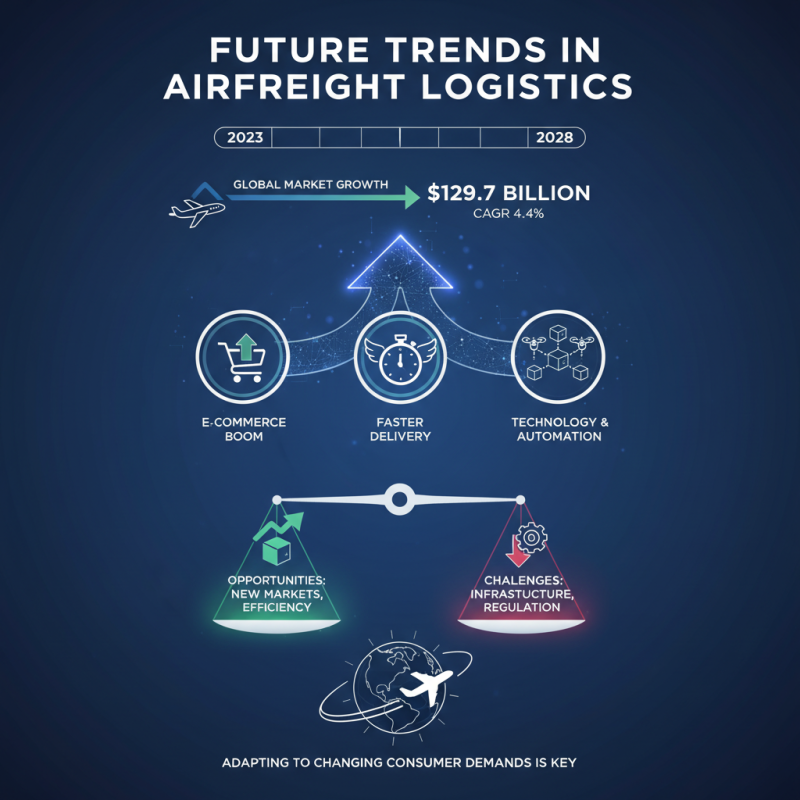
The airfreight logistics sector is rapidly evolving, driven by advancements in technology and changing consumer demands. By 2028, the global air cargo market is projected to reach $129.7 billion, reflecting a compound annual growth rate of 4.4%. The increasing reliance on e-commerce fuels this growth. Businesses require faster delivery methods to meet customer expectations. This trend creates opportunities but also challenges.
One emerging trend is the integration of automation and artificial intelligence into airfreight operations. Automated systems enhance efficiency in sorting and tracking shipments. The implementation of real-time data analytics provides insights into cargo movement and reduces delays. However, not all companies have adapted to these technologies. Smaller businesses may struggle with the cost of upgrading systems. Adoption hesitance can lead to missed opportunities in a competitive market.
Sustainability is another focus area. The airfreight industry faces pressure to reduce its carbon footprint. According to industry reports, airlines aim for a 50% reduction in emissions by 2050. Implementing biofuels and optimizing logistics routes are steps being taken. Yet, challenges remain. The balance between cost and environmental responsibility cannot be overlooked. Businesses must reflect on their strategies to align with sustainable practices while remaining profitable.