What Are the Benefits of China High Speed Goods Train for Trade?
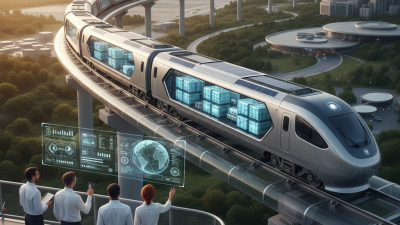
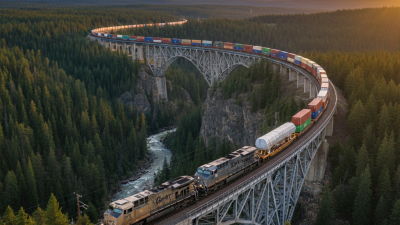
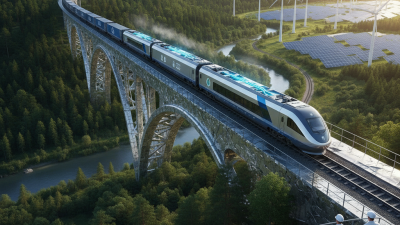
The advent of the High Speed Goods Train in China marks a transformative era for international trade. These trains provide a faster and more efficient means of transporting goods across vast distances. With speeds reaching up to 350 kilometers per hour, transit times have significantly decreased compared to traditional methods.
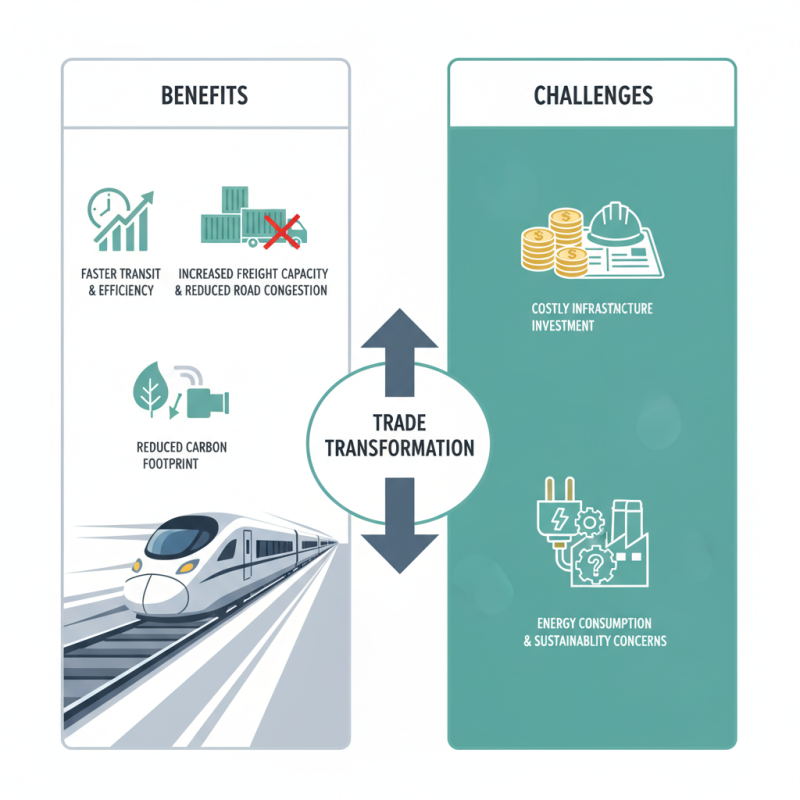
Increased freight capacity is another notable benefit. High Speed Goods Trains can carry large volumes of cargo, handling numerous containers simultaneously. This efficiency not only speeds up delivery but also reduces congestion on roadways. However, the underlying infrastructure is costly. Investments in rail networks require careful planning and financial commitment.
Furthermore, the environmental impact is a topic worth considering. While rail transport reduces carbon footprints compared to trucks, there are still concerns about energy consumption. A balance must be struck between efficiency and sustainability. Ultimately, the benefits of High Speed Goods Trains for trade are evident, but they come with complex challenges that require ongoing evaluation and adaptation.
Benefits of High-Speed Goods Trains in Enhancing Trade Efficiency
High-speed goods trains offer a transformative approach to trade efficiency. According to industry reports, these trains can travel up to 350 kilometers per hour, significantly reducing transit times. For instance, the journey from Shanghai to Beijing can now be completed in just 4 hours. This speed allows businesses to respond to market demands more quickly.
The reliability of high-speed rail also plays a crucial role. With a punctuality rate exceeding 90%, businesses can plan their logistics more effectively. The reduced travel time means fresher goods and timely deliveries, impacting sectors like agriculture and manufacturing. An increase in operational efficiency may lead to an estimated 20% reduction in logistics costs.
However, challenges remain. Infrastructure development can be costly and time-consuming. Not all regions benefit equally from high-speed rail access. Smaller markets might still rely on slower, less efficient transport methods. As the industry evolves, finding solutions to optimize connectivity for every region is essential.
Benefits of China High Speed Goods Train for Trade
The following chart illustrates the benefits of high-speed goods trains in enhancing trade efficiency across different dimensions such as Speed (km/h), Reduced Transit Time (days), and Cargo Capacity (tons). These factors significantly contribute to the overall improvement in trade logistics.
Impact on Supply Chain Management and Logistics Costs
China's high-speed goods train network brings significant enhancements to
supply chain management and logistics costs. By reducing transit times, these
trains provide a quicker alternative to traditional freight methods. According to the International Transport Forum,
rail transport can reduce logistics costs by up to 30% when comparing
it with road and maritime shipping. This reduction is crucial for businesses aiming for efficiency in competitive markets.
Speed boosts productivity. Goods can reach their destinations faster, allowing companies to respond quickly to market demands.
For example, a shipment that once took 15 days by sea can now arrive in just 5 days
via high-speed rail. This can lower the costs associated with inventory holding. However, the reliance on
rail can lead to infrastructure strain, especially when traffic levels rise unexpectedly.
Yet, there are challenges. Not all regions have access to these rail services, which may create disparities.
Moreover, high-speed rail networks require continuous investment. According to industry reports, developing
and maintaining high-speed rail can be costly and may not always yield immediate returns. Companies must carefully
weigh these factors while integrating high-speed transport into their supply chains.
Facilitation of International Trade Routes and Connectivity
The China High Speed Goods Train significantly enhances international trade routes and connectivity. With increased speed and efficiency, these trains facilitate quicker delivery times. This improvement directly impacts supply chains, enabling businesses to react swiftly to market demands. Major trading hubs become more accessible, reducing transportation costs and time.
Businesses should consider optimizing their logistics around these high-speed routes. Using advanced tracking technology can enhance transparency in the supply chain. Focus on strategic partnerships with rail operators to ensure the smooth movement of goods.
However, there are challenges to address. Infrastructure may be limited in certain areas, affecting service reliability. It's crucial to analyze routes and potential bottlenecks. Investing in local facilities can ease these issues and improve overall performance. Reflecting on these elements can lead to better decision-making in trade operations.
Reduction of Carbon Footprint and Environmental Impact
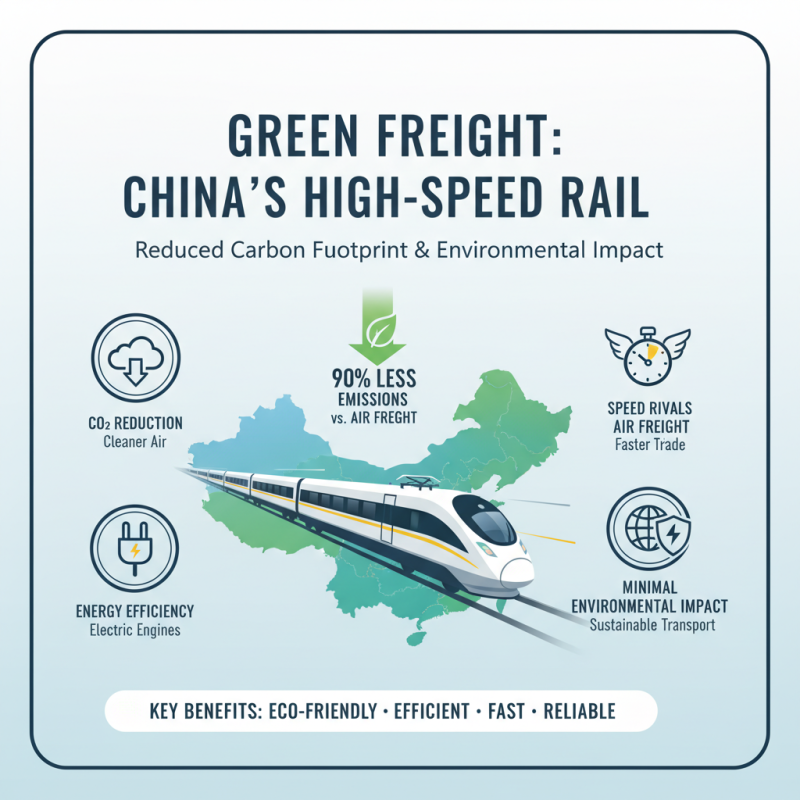
High-speed goods trains in China offer significant advantages for trade, especially in terms of reducing carbon footprints and minimizing environmental impacts. These trains are designed to operate at speeds that can rival air freight, but they use far less energy. With an efficient electric engine, they reduce greenhouse gas emissions compared to traditional transport methods.
Using high-speed trains not only saves time but also lowers energy consumption. This means fewer emissions per ton of goods transported. The transition from diesel trucks to electric trains is a game changer. It's a move toward a greener supply chain. Yet, the infrastructure needs ongoing improvements. Existing networks might require upgrades to accommodate these high-speed options effectively.
Tip: Companies should consider the environmental benefits of using trains for long-distance transport. It can enhance their sustainability goals. Additionally, investing in renewable energy sources for train operations will further boost these advantages. A continuous evaluation of carrier options is essential to make informed decisions that align with eco-friendly practices. It's a step towards a more sustainable future, but the challenges of investment and infrastructure must be navigated carefully.
Boosting Regional Economies Through Faster Transport Solutions
The rise of high-speed goods trains in China is reshaping regional economies. Faster transport means products reach markets without lengthy delays. This efficiency boosts trade and stimulates local businesses. Cities along the tracks enjoy economic growth through increased logistics and job creation.
Diverse industries benefit from these faster connections. Fresh produce travels quicker, reducing spoilage. Electronics and textiles reach consumers sooner, enhancing competitiveness. Desiring to harness these advantages?
Consider this: smaller manufacturers can team up with logistics providers for better distribution. Streamlining supply chains enhances their market presence. Investing in staff training ensures teams effectively utilize new technologies. Adaptability remains key as the landscape evolves. However, some challenges persist. Infrastructure must keep pace with rising demands. Ongoing attention to service quality is essential.
What Are the Benefits of China High Speed Goods Train for Trade?
| Benefit |
Description |
Impact on Trade |
Estimated Time Savings (Hours) |
| Faster Delivery Times |
High-speed goods trains significantly reduce transport times between major cities. |
Increased competitiveness of goods in new markets. |
Up to 30 hours |
| Cost Efficiency |
Reduced shipping costs compared to traditional trucking and air transport. |
Lower prices for consumers and higher margins for producers. |
Varies based on distance |
| Environmental Benefits |
Trains produce fewer emissions compared to trucks and planes. |
Promotes sustainable trade practices and green logistics. |
N/A |
| Enhanced Connectivity |
Broadens access to remote areas and less connected regions. |
Boosts regional economies through improved access to markets. |
N/A |
| Reliability |
High-speed trains offer a consistent schedule with fewer delays. |
Improves inventory management and supply chain efficiency. |
N/A |