Top 5 Benefits of Groupage Transport for Global Buyers?
In the ever-evolving world of logistics, Groupage Transport has emerged as a vital solution for global buyers. With its ability to consolidate shipments, it minimizes costs while enhancing efficiency. Dr. Emily Johnson, a logistics expert, once stated, "Groupage Transport allows businesses to optimize their supply chains effectively." This insight highlights its growing significance in international trade.
Many companies struggle with shipping expenses. Groupage Transport addresses this by allowing multiple buyers to share shipping containers. This model not only reduces costs but also lowers carbon footprints. However, understanding how to navigate the complexities of groupage can be challenging.
The benefits of Groupage Transport extend beyond cost savings. It promotes sustainability and flexibility. Yet, not all businesses harness its potential fully. Buyers must consider their specific needs and logistics partners carefully. Engaging with experienced service providers can lead to better outcomes. The choice of the right partner can either make or break the efficiency of using Groupage Transport.
Key Concept of Groupage Transport in Global Trade
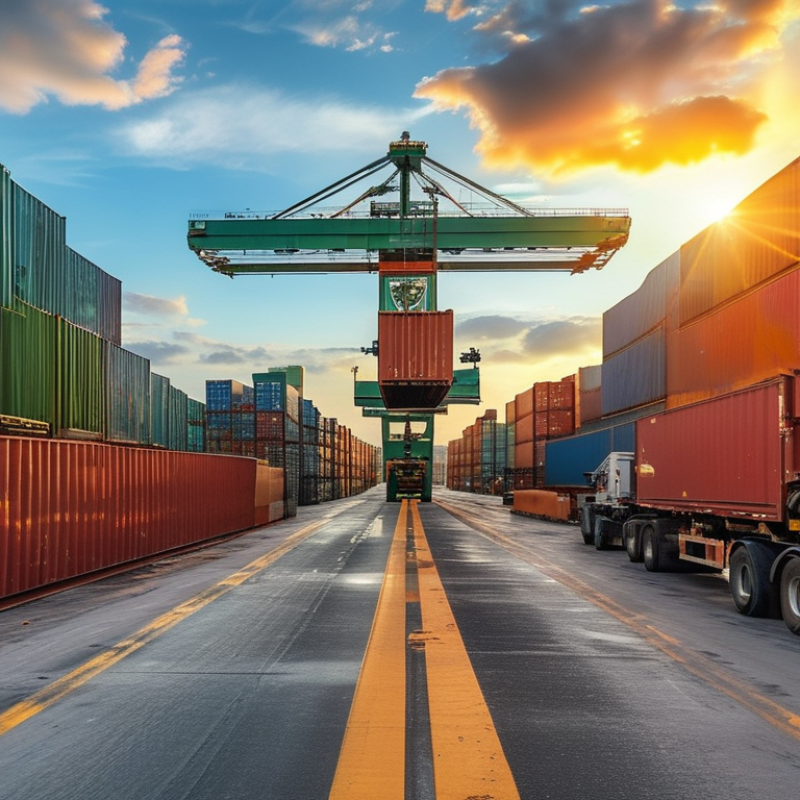
Groupage transport, also known as consolidated freight, plays a crucial role in global trade. This method allows multiple buyers to share transportation space in a single shipment. It reduces costs significantly, making it appealing for small businesses. According to industry reports, groupage transport can lower shipping costs by up to 30%. This is particularly advantageous for companies looking to optimize their supply chain without sacrificing quality.
One key concept in groupage transport is efficiency. By combining smaller shipments, cargo movement becomes faster and more streamlined. A study from the International Transport Forum highlighted that groupage freight reduces the number of vehicles needed on the road. However, it may also result in longer transit times as goods are collected from various suppliers before reaching their destination. This trade-off requires careful planning and coordination to ensure timely deliveries.
Reliability is another critical aspect. While groupage transport benefits cost and efficiency, it can introduce challenges. Coordination between multiple parties may lead to potential delays. Identifying and fixing these issues is essential for global buyers. A survey conducted by logistics experts showed that 70% of businesses chose groupage transport for its cost-effectiveness, but 50% reported experiencing occasional delays. Addressing these concerns can enhance the overall effectiveness of groupage solutions.
Cost Efficiency: How Groupage Transport Reduces Shipping Expenses
Groupage transport, also known as consolidated shipping, offers significant cost efficiency for global buyers. By pooling multiple shipments from different clients, this method reduces the overall transportation costs. According to industry data, businesses utilizing groupage transport can save up to 30% on their shipping expenses. This is particularly beneficial for small and medium-sized enterprises that may not have enough volume to justify full container loads.
In addition, groupage transport allows for more flexible shipping options. Buyers can send smaller quantities without incurring high fees. A report by Logistics Management reveals that 47% of retailers noted lower shipping costs due to consolidation. However, this approach requires careful coordination. There can be delays, and tracking individual shipments may be more challenging. Buyers must weigh these factors against the potential savings. Efficient communication with logistics providers is crucial for maximizing the benefits of groupage transport.
Enhanced Flexibility and Scalability for Buyers
Groupage transport offers significant benefits for global buyers. One major advantage is enhanced flexibility. Companies can ship smaller quantities of goods. This is ideal for businesses that do not want to commit to large volumes. Instead of waiting to fill a full container, they can consolidate shipments. This means quicker access to products.
Scalability is another key benefit. As market demands shift, businesses can adjust their shipping needs. Whether expanding into new regions or testing products, groupage transport allows for efficient scaling. Companies can respond quickly to changes without the burden of excess inventory.
However, relying on groupage transport is not without challenges. Coordination with multiple suppliers can complicate the shipping process. Communication is vital to ensure timely deliveries. Misunderstandings can lead to delays. Buyers must weigh these potential issues against the flexibility and cost savings gained from using groupage methods. Finding the right balance is crucial for optimal supply chain management.
Mitigating Risks: Safety and Security in Groupage Transport
When considering groupage transport, safety and security become vital aspects for global buyers. It combines multiple shipments, reducing costs but increasing the complexity of logistics. Understanding potential risks can mitigate challenges effectively.
Groupage transport can expose goods to various risks during transit. Damage, theft, or delays can occur when items are mixed with other shipments. It's crucial to choose reliable logistics providers with proven safety records. Always verify their insurance coverage for added peace of mind.
Tips: Regularly track your shipment. This allows you to identify issues promptly. Invest in protective packaging for fragile items. Layers of cushioning can prevent damage during handling. Communicate with your provider about specific concerns and ask for safety measures they implement.
Streamlined Customs Clearance Process for International Shipments
The streamlined customs clearance process is a significant advantage of groupage transport for international shipments. Businesses often face delays when dealing with customs regulations. With groupage transport, shipments are consolidated into one larger load, simplifying documentation. This can lead to faster processing times at customs. A single set of paperwork for multiple shipments reduces the chance of errors that can cause hold-ups.
Moreover, this method enhances efficiency and lowers costs associated with customs. Smaller shipments might have complicated paperwork, creating confusion. However, when grouped, the responsibilities of documentation are shared. Each individual shipment benefits from the collective efficient handling. Reliable logistics providers often have established relationships with customs authorities, further ensuring smooth clearance.
Yet, it's essential to recognize potential challenges. Different shipments may have varying customs requirements, making preparation crucial. Businesses must gather all necessary documents and details ahead of time. Overlooking specific regulations could lead to delays, negating the benefits of streamlined customs processes. This calls for diligent preparation and attention to detail from the seller. Ultimately, groupage transport presents a solid option for global buyers looking to simplify their shipping processes.
Top 5 Benefits of Groupage Transport for Global Buyers