Top 5 Benefits of Multi Echelon Inventory Optimization: Boost Efficiency by 30%
In today's fast-paced and competitive business landscape, effective inventory management is crucial for organizations aiming to enhance operational efficiency and reduce costs. One innovative approach that has gained significant traction is Multi Echelon Inventory Optimization. This sophisticated inventory management technique offers a strategic framework that allows companies to optimize stock levels across various supply chain tiers, ultimately leading to improved service levels and reduced holding costs. By leveraging advanced algorithms and data analytics, businesses can gain visibility into inventory dynamics, making informed decisions that align with customer demands.
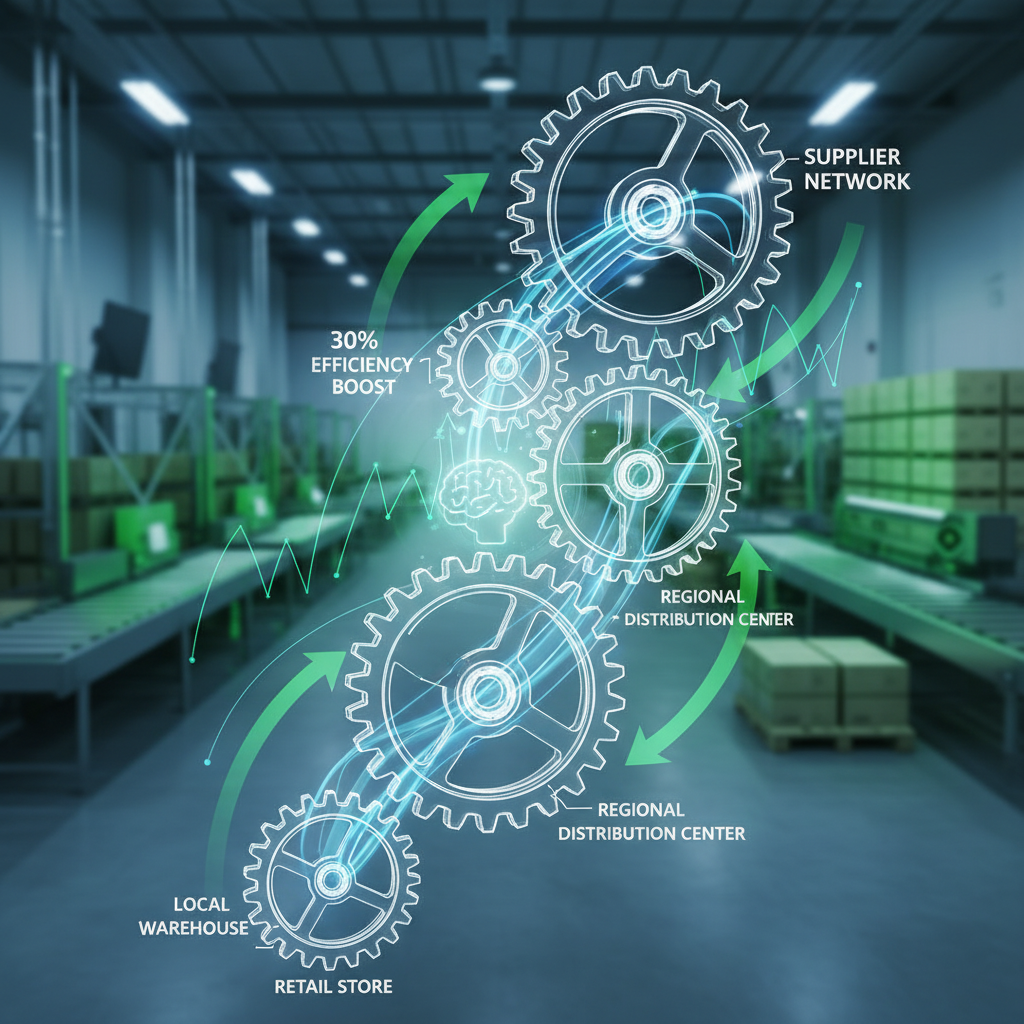
The benefits of Multi Echelon Inventory extend far beyond traditional inventory management practices. Notably, organizations that implement this approach can achieve efficiency boosts of up to 30%, translating into substantial cost savings and improved resource allocation. Additionally, this optimization strategy enhances the responsiveness of the supply chain, enabling companies to react swiftly to market changes and customer needs. As we explore the top five benefits of Multi Echelon Inventory Optimization, it becomes evident how embracing this method can transform inventory management from a reactive process into a proactive strategy, fostering agility and resilience in an ever-evolving market landscape.
Understanding Multi Echelon Inventory Optimization and Its Importance
Multi Echelon Inventory Optimization (MEIO) is a critical approach for businesses aiming to enhance their supply chain efficiency. With the increasing complexity of today's supply chains, implementing MEIO can lead to significant improvements in inventory management. According to industry reports, effective inventory management strategies can reduce excess stock by up to 30%, ultimately resulting in lower holding costs and better service levels. In a market characterized by fluctuating demands, the ability to optimize inventory across multiple echelons becomes even more important to maintain flexibility and responsiveness.
To leverage MEIO effectively, companies must adopt a data-driven approach. Utilizing advanced analytics allows organizations to forecast demand accurately and adjust inventory levels accordingly. Tips for successful MEIO implementation include regularly reviewing inventory performance metrics, investing in technology that offers real-time visibility, and adopting collaborative planning across the supply chain. These practices can help ensure that businesses efficiently allocate resources, thus enhancing their operational effectiveness.
The evolution of e-commerce further necessitates the integration of robust Multi Echelon strategies. As transparency across product information and various sales channels increases, businesses must optimize their logistics and inventory systems to meet customer expectations for quick delivery times. By doing so, companies can not only improve their competitive edge but also pave the way for sustainable growth in dynamic market conditions.
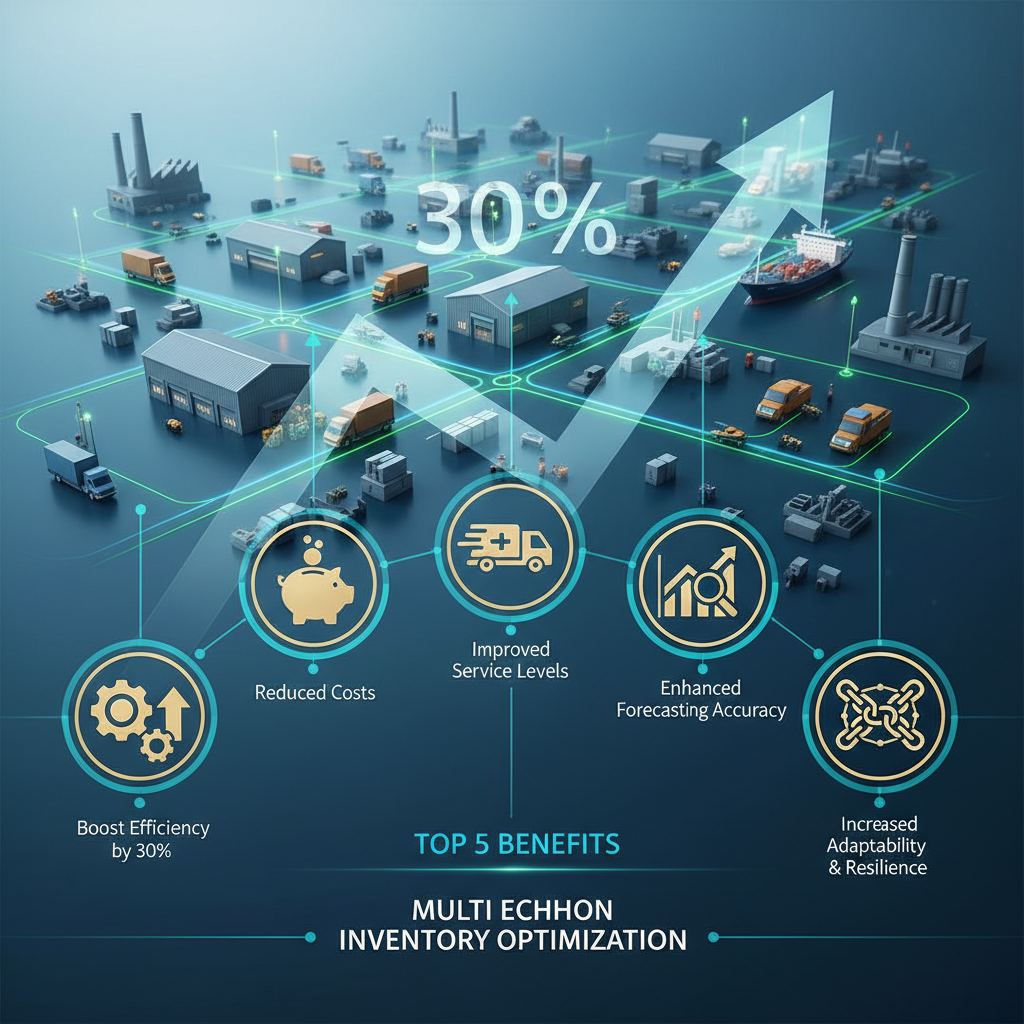
Top 5 Benefits of Multi Echelon Inventory Optimization: Boost Efficiency by 30%
| Benefit |
Description |
Impact on Efficiency |
Example Metric |
| Reduced Stockouts |
Improves product availability by optimizing inventory levels across all locations. |
30% decrease in stockout occurrences |
Stockout Rate Reduction |
| Lower Inventory Costs |
Minimizes holding costs through better inventory distribution. |
20% reduction in holding costs |
Holding Cost Percentage |
| Enhanced Customer Satisfaction |
Meets customer demands promptly, leading to higher satisfaction and loyalty. |
15% increase in customer satisfaction scores |
Customer Satisfaction Index |
| Improved Forecasting |
Utilizes data analytics for more accurate demand forecasting. |
25% increase in forecast accuracy |
Forecast Accuracy Percentage |
| Streamlined Operations |
Facilitates better coordination across supply chain nodes. |
30% improvement in order fulfillment time |
Order Fulfillment Time |
How Multi Echelon Strategies Reduce Costs Across Supply Chains
Multi Echelon Inventory Optimization (MEIO) is a strategic approach that significantly enhances supply chain efficiency by reducing costs across various levels of inventory management. According to a report from the Institute for Supply Management, companies implementing MEIO can reduce their overall inventory costs by an average of 15% to 30%. This is largely due to the improved visibility and control over inventory levels throughout the supply chain, which minimizes stockouts and excess inventory.
One of the key benefits of multi echelon strategies is the ability to centralize data across different tiers of the supply chain, leading to better demand forecasting and inventory allocation. A study by McKinsey & Company found that optimized inventory systems can lead to a 20% reduction in stockholding costs and a decrease in working capital by 10-15% in the first year of implementation. By streamlining inventory processes and reducing dependency on safety stock, organizations can enhance their service levels while simultaneously cutting down on unnecessary expenses, therefore driving overall profitability in an increasingly competitive market.
Enhancing Customer Satisfaction through Efficient Inventory Management
Effective inventory management plays a crucial role in enhancing customer satisfaction, especially in a multi-echelon system where products flow through various stages of supply chain. By optimizing inventory at each level—from suppliers to warehouses to retail locations—businesses can ensure that the right products are available at the right time and place. This not only reduces stockouts but also minimizes excess inventory, leading to improved service levels. When customers find the products they need, when they need them, their overall experience with the brand greatly improves.
Moreover, multi-echelon inventory optimization increases the responsiveness of a supply chain. By leveraging forecasting data and real-time analytics, businesses can better anticipate demand fluctuations and adjust their inventory accordingly. This proactive approach allows companies to address customer needs swiftly and effectively, reducing lead times and enhancing order fulfillment accuracy. As customers receive timely deliveries and consistent product availability, their trust in the brand grows, nurturing long-term loyalty and repeat business. This strategic inventory management ultimately boosts customer satisfaction and drives competitive advantage.

Leveraging Data Analytics for Improved Inventory Decisions
The integration of data analytics into inventory management is rapidly transforming the supply chain landscape, particularly through the adoption of multi echelon inventory optimization. By utilizing advanced data analytics, businesses can make informed inventory decisions that not only enhance operational efficiency but also improve forecast accuracy. This is achieved by analyzing historical data, identifying patterns, and adapting inventory levels in response to market trends, thus ensuring that stock aligns closely with customer demand.
In addition, the rise of AI-driven tools allows for real-time data analysis and predictive capabilities. Companies are now leveraging machine learning algorithms to process vast amounts of data, which assists in identifying seasonal trends and refining demand forecasts. This innovative approach not only enhances accuracy but also enables businesses to respond more swiftly to fluctuations in demand, minimizing excess stock and reducing holding costs. As a result, organizations that embrace data analytics are better positioned to optimize their supply chains and drive significant improvements in both efficiency and profitability.
Real-World Examples of Successful Multi Echelon Implementations
Multi echelon inventory optimization (MEIO) is a powerful strategy employed by firms seeking to enhance their supply chain efficiency. One notable example can be seen in the case of a multinational retail corporation that implemented MEIO to streamline its inventory across various distribution centers and stores. By analyzing demand patterns and stock levels across multiple tiers, the company reduced excess inventory by 25%, resulting in significant cost savings. This approach not only improved service levels but also reduced lead times, ultimately boosting customer satisfaction.
Another impressive implementation of MEIO was realized by a major consumer electronics manufacturer. Faced with fluctuating demand and complexity in its supply chain, the company utilized advanced analytics to optimize inventory across factories, warehouses, and retail outlets. As a result, they achieved a 30% improvement in inventory turns, which enabled them to respond more agilely to market changes. This optimization not only minimized stockouts but also reduced holding costs, showcasing the tangible benefits of adopting a multi-echelon approach to inventory management.
Top 5 Benefits of Multi Echelon Inventory Optimization