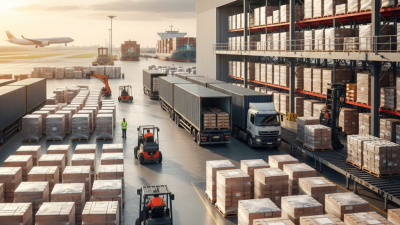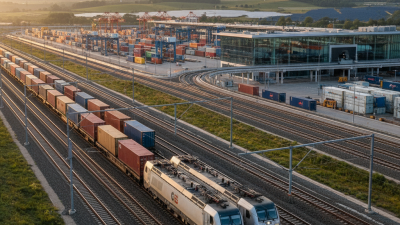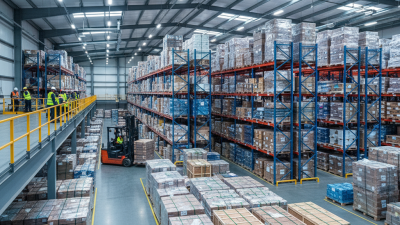
In the realm of efficient logistics management, the importance of "Pallet Transport" cannot be overstated. As logistics expert Mark Wilson states, “Effective pallet transport solutions are vital for optimizing supply chains.” The right transport methods can significantly impact operational efficiency and cost savings. Choosing the wrong approach can lead to delays and increased expenses.
Many companies struggle with pallet transport logistics. They often rely on outdated methods or insufficient equipment. This can limit their growth potential. For instance, poor pallet handling can cause damage. It is essential to assess current practices constantly. Each improvement can lead to smoother operations.
The shift towards innovative pallet transport solutions is not just a trend. It is a necessity for staying competitive. As firms embrace technology, they discover new ways to enhance efficiency. However, investing in new systems requires careful thought. Not every solution fits all circumstances, and trial and error can be part of the process.
Efficient pallet transport is vital for logistics management. Implementing best practices can lead to significant improvements.
Staff training is essential. Workers should understand proper lifting techniques and handling practices. This reduces injury risks and improves efficiency on the floor.
Utilizing technology is another effective method. Real-time tracking systems can provide valuable insights into inventory levels. It allows for better decision-making concerning restocking and transportation routes. However, not every operation leverages technology effectively. Many still rely on outdated methods, missing potential gains.
Regular audits of pallet usage can reveal inefficiencies. Assess the ramp-up time for loading and unloading. Are pallets being packed effectively? If not, adjust your strategies. It's okay to rethink existing processes, encouraging a culture of continuous improvement. Tracking metrics can help ensure logistics remain streamlined and responsive.
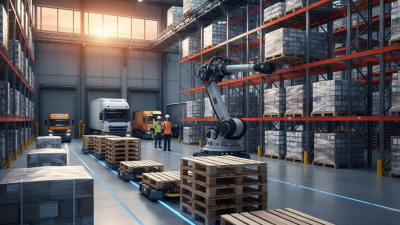
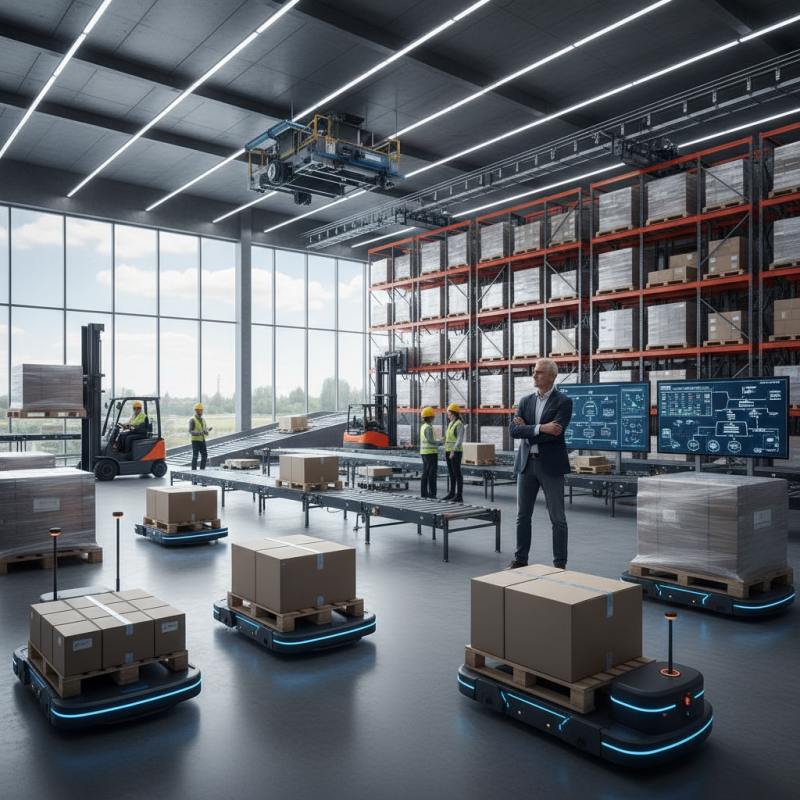
Automated systems are revolutionizing pallet handling in logistics management. They enhance efficiency while minimizing human error. These systems include automated guided vehicles (AGVs) and robotic palletizers. By adopting such technologies, warehouses witness faster turnaround times and better space utilization.
To implement these automated systems effectively, it's essential to assess the specific needs of your operation. Not every solution will fit all scenarios. Some may require additional training for employees, while others might necessitate upgrading existing infrastructure. Consider a phased approach to introduce automation gradually. This allows time for adjustment.
Tips: Always conduct a thorough assessment before investing in new technology. Understand how it affects current processes. Additionally, seek feedback from staff to gauge the practicality of any changes. Regularly reviewing these systems can unveil areas for improvement. Continuous feedback helps refine workflows. Remember, automation is a tool, not a one-size-fits-all fix.
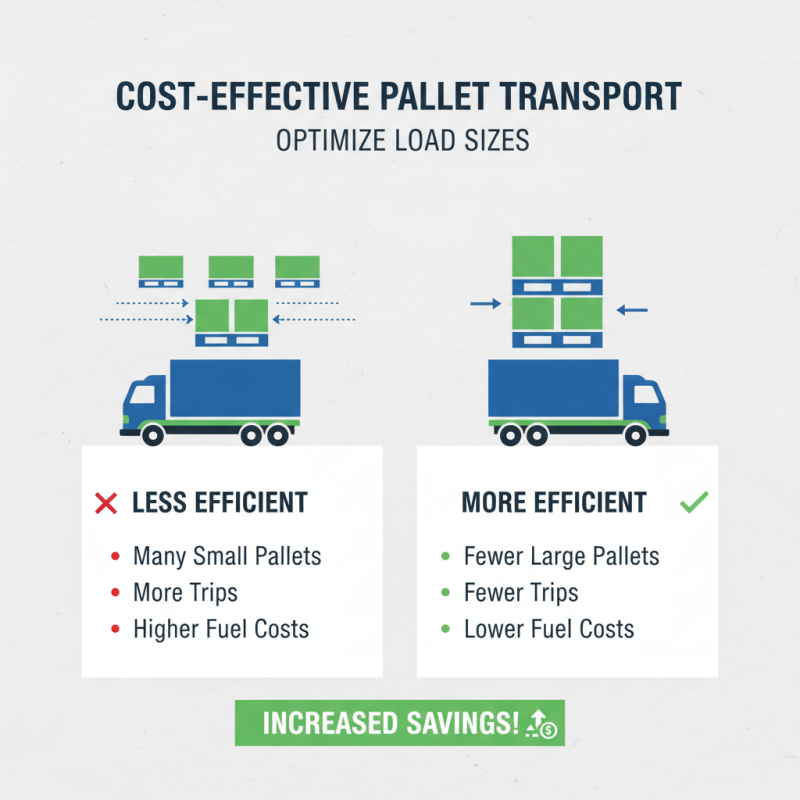
Efficient pallet transport management plays a crucial role in logistics. Implementing cost-effective strategies can significantly enhance a company's bottom line. One vital approach is optimizing load sizes. Transporting fewer larger pallets instead of many smaller ones can reduce costs. This minimizes the number of trips needed. Less fuel consumption translates into savings over time.
Another key area is route planning. Utilizing software for route optimization can save both time and resources. It’s important to regularly review and adjust transportation routes based on traffic patterns and delivery schedules. Adjustments can lead to unexpected improvements. Having real-time data helps in making informed decisions.
Lastly, maintaining equipment is often overlooked. Inspecting pallets and transport vehicles regularly reduces the risk of damage. Investing in proper maintenance can prevent costly downtime. However, organizations sometimes neglect this aspect, leading to inefficiencies. Reflecting on current practices can reveal areas for improvement. Balancing cost and efficiency in pallet transport remains an ongoing challenge.
In 2023, technology is reshaping pallet transport solutions in significant ways. A recent report from the Logistics Management Association indicates that 73% of logistics companies are investing in automation. This includes the use of autonomous vehicles and drones, aiming to streamline operations and reduce delivery times. Enhanced systems like RFID tracking are revolutionizing inventory management. This innovation ensures that pallets are tracked in real-time, improving accuracy and reducing inventory loss.
However, with these advancements come challenges. The integration of technology is not without its setbacks. Many organizations report difficulties in adapting existing systems to newer technologies. Over 40% of logistics managers expressed concerns about the training required for staff. This gap can lead to inefficiencies, at least in the initial stages. Moreover, as companies rush to adopt tech solutions, security issues emerge. Cyberattacks on logistics systems are becoming more common, with a notable increase in these incidents in recent years.
Furthermore, sustainability remains a pressing issue. While technology can improve efficiency, its carbon footprint cannot be ignored. The industry still relies heavily on fossil fuels for transport, contributing to global emissions. Balancing technology uptake with eco-friendly practices is vital. If transportation solutions aren’t sustainable, the long-term benefits are questionable. A cautious approach is necessary to navigate this complex landscape.
Sustainability trends in pallet transport are reshaping logistics management. Companies are now prioritizing eco-friendly practices. They focus on reducing waste, improving energy efficiency, and using recyclable materials. Transportation relies on smarter logistics strategies to minimize carbon footprints. Shifting to electric vehicles for pallet transport is gaining traction. These vehicles emit fewer greenhouse gases and save fuel costs over time.
Additionally, there’s an increase in the use of reusable pallets. This approach decreases the reliance on single-use solutions. However, challenges arise in standardizing these pallets across various industries. Mixed materials and dimensions complicate the logistics process. Collaboration among organizations can streamline these efforts, but it requires time and commitment.
Emerging technologies also play a role. Innovations like blockchain enhance transparency in supply chains. However, the adoption of these technologies can be slow. Many businesses are hesitant due to costs and complexity. Educating stakeholders on the benefits of sustainability can drive change. It’s vital to discuss these challenges openly to push for better practices.
| Solution | Efficiency Rating | Sustainability Score | Cost-Effectiveness | Integration Capability |
|---|---|---|---|---|
| Automated Guided Vehicles (AGVs) | 9/10 | 8/10 | 7/10 | High |
| Electric Pallet Trucks | 8/10 | 9/10 | 8/10 | Medium |
| Pallet Racking Systems | 7/10 | 6/10 | 9/10 | High |
| Track and Trace Solutions | 9/10 | 7/10 | 8/10 | High |
| Pallet Pooling Services | 8/10 | 8/10 | 7/10 | Medium |
| Smart Pallet Management Software | 10/10 | 9/10 | 8/10 | High |
| Auto-Load and Unload Systems | 8/10 | 8/10 | 6/10 | Medium |
| Mobile Pallet App | 7/10 | 5/10 | 9/10 | Low |
| 3PL Logistics Partnerships | 9/10 | 7/10 | 7/10 | High |
| Pallet Inspection Technology | 8/10 | 6/10 | 8/10 | Medium |