Why is Bulk Transport Key to Global Supply Chain Success?
Bulk transport plays a crucial role in the success of global supply chains. According to industry expert Dr. Andrew Marshall, "Efficient bulk transport underpins the entire supply chain, ensuring timely delivery and cost-effectiveness." This statement highlights the importance of bulk transport in connecting producers to consumers worldwide.
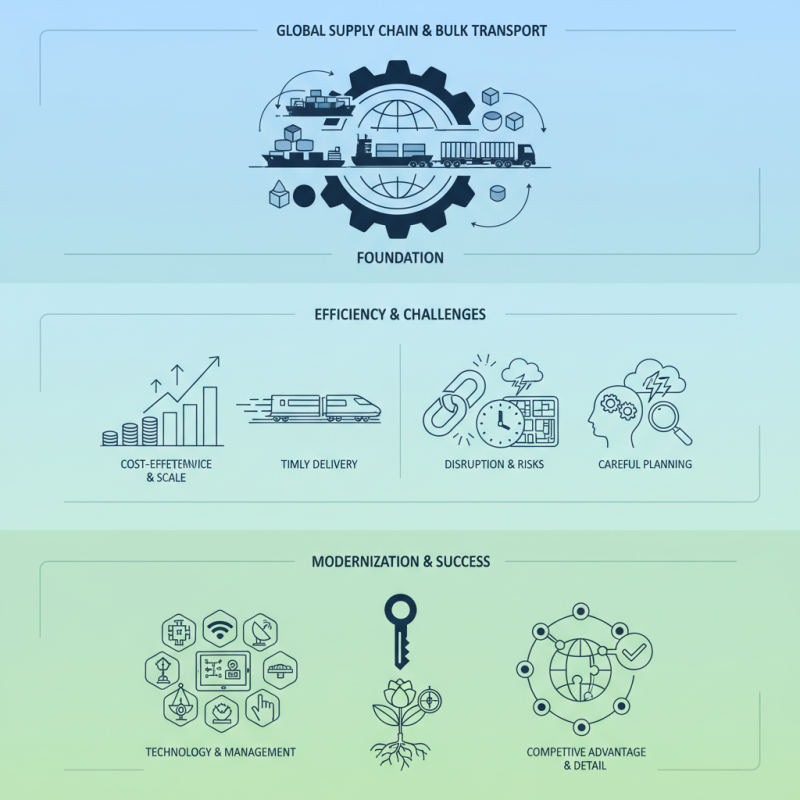
Bulk transport includes the movement of large quantities of goods, such as raw materials. It encompasses shipping via truck, train, or ship. This mode of transportation significantly reduces costs and increases efficiency. For instance, transporting grain in bulk is much cheaper than packaged shipments. However, challenges remain. Delays in bulk transport can disrupt the supply chain and affect market stability. These risks require careful planning and execution.
Logistics in bulk transport must adapt to evolving demands. Technological advancements can enhance tracking and management. Yet, reliance on technology can lead to vulnerabilities. Managing this balance is vital. A strong understanding of bulk transport is essential for businesses seeking competitive advantages. Ultimately, attention to detail in bulk transport can determine a supply chain's success.
The Role of Bulk Transport in Global Trade Dynamics
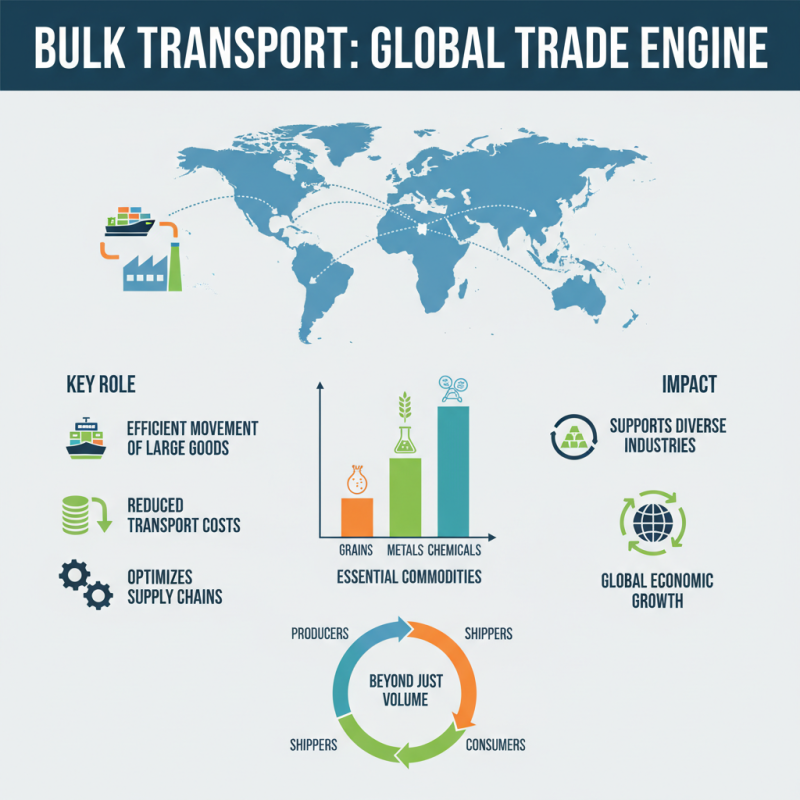
Bulk transport plays a vital role in global trade dynamics. By moving large quantities of goods efficiently, it supports various industries. This method reduces transportation costs significantly, allowing companies to optimize their supply chains. Bulk transport is essential for commodities like grains, metals, and chemicals. However, its importance goes beyond just volume.
The logistics involved in bulk transport are complex. Loading and unloading require specialized equipment and trained personnel. Additionally, the environmental impact of bulk transport needs consideration. Efficient transport methods can reduce carbon emissions, but inefficiencies can lead to waste. Understanding these dynamics is crucial for businesses looking to improve their operations.
Despite its benefits, challenges exist. Infrastructure limitations can hinder bulk transport effectiveness. Inadequate ports or road networks can slow down the supply chain. Businesses must remain agile and ready to adapt. Continuous evaluation of transport strategies is vital in a rapidly changing market. Understanding these factors can lead to more sustainable and efficient global trade practices.
Key Advantages of Bulk Transport for Supply Chain Efficiency
Bulk transport plays a crucial role in enhancing global supply chain efficiency. One of the key advantages of bulk transport is cost-effectiveness. According to the International Transport Forum, bulk shipping can reduce costs by up to 40% compared to traditional shipping methods for certain goods. This significant reduction creates a more competitive market landscape.
Another advantage lies in reduced environmental impact. Bulk transport minimizes the number of trips required, thus cutting down on emissions. A study by the World Economic Forum noted that bulk transport could lower greenhouse gas emissions from shipping by 30%. This is crucial as industries face increasing pressure to adopt sustainable practices.
However, reliance on bulk transport is not without complications. Disruptions due to port congestion or lack of infrastructure can lead to inefficiencies. Additionally, the need for specialized handling and storage can pose challenges for smaller enterprises lacking the necessary resources. These aspects invite reflection on how to balance efficiency with operational flexibility.
Why is Bulk Transport Key to Global Supply Chain Success? - Key Advantages of Bulk Transport for Supply Chain Efficiency
| Dimension |
Description |
Advantage |
| Cost Efficiency |
Bulk transport reduces the per-unit cost of goods. |
Lower transportation costs lead to higher profit margins. |
| Capacity Handling |
Ability to transport large quantities of goods simultaneously. |
Increased shipping capacity supports larger-scale operations. |
| Efficiency |
Streamlined loading and unloading processes for bulk shipments. |
Faster transport times improve overall supply chain efficiency. |
| Fewer Handling Steps |
Reduced need for packaging and repackaging of goods. |
Minimizes damages and losses during transportation. |
| Environmental Impact |
Bulk transport is often more fuel-efficient than other modes. |
Lower carbon footprint contributes to sustainability goals. |
Challenges in Bulk Transport and Their Impact on Supply Chains
Bulk transport plays a vital role in the global supply chain. However, it comes with unique challenges that can significantly impact efficiency and reliability. One major issue is the inconsistency in shipping schedules. Delays can occur due to various factors, including weather and port congestion. These disruptions can ripple through supply chains, causing inventory shortages or overstock situations.
Another concern is the risk of damage during transport. Bulk goods are often heavy and difficult to handle. This increases the chances of mishaps during loading and unloading. Companies must invest in better equipment and training to mitigate these risks. Not addressing these issues can lead to increased costs and customer dissatisfaction.
Tips for improvement:
1. Regularly audit your transport processes. Identify weak points and address them promptly.
2. Consider flexible scheduling. This can help cushion against inevitable disruptions in shipping.
Also, partnerships with experienced logistics providers can ease some challenges. They often have insights that can enhance your supply chain's resilience. Awareness and proactive management can elevate the overall effectiveness of bulk transport. Addressing these challenges head-on is essential for success in global markets.
Future Trends in Bulk Transport and Their Implications for Businesses
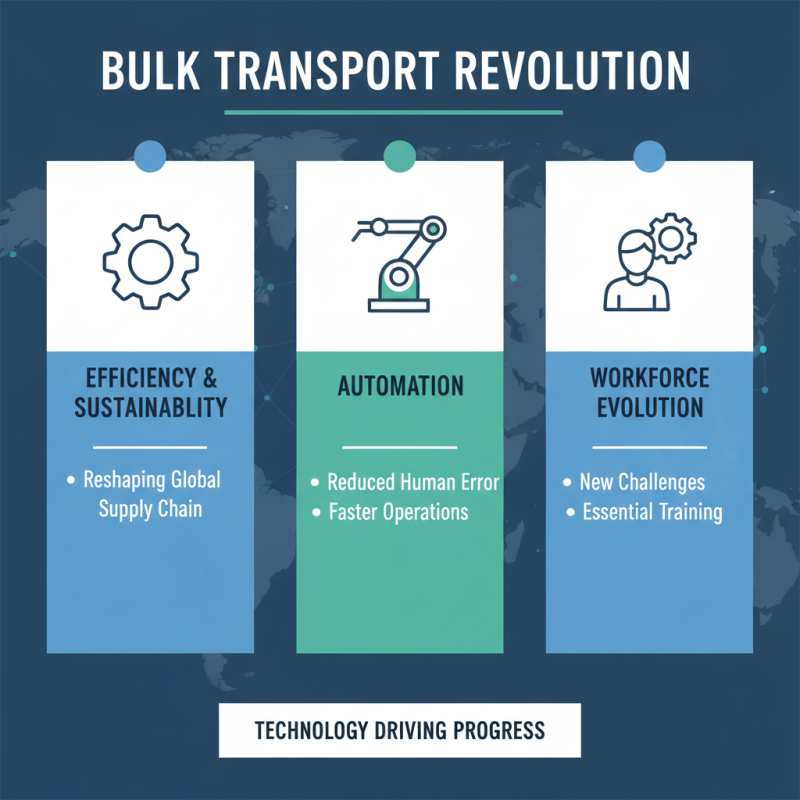
The bulk transport industry is evolving rapidly. Future trends indicate a shift toward automation and digitalization. According to a report by McKinsey, digital technologies could enhance efficiency by 10 to 20%. Automation in loading and unloading processes is becoming standard. This could potentially reduce labor costs and improve safety.
Sustainability is another key focus. The International Maritime Organization reported that shipping accounts for about 2.5% of global greenhouse gas emissions. Businesses are now investing in eco-friendly ships and fuel alternatives. This trend not only meets regulatory demands but also appeals to environmentally conscious consumers.
However, challenges remain. Infrastructure may lag behind technological advancements. Many ports require significant upgrades to handle automated equipment. Additionally, companies must adapt their supply chains to incorporate these new technologies. This transition is not easy and requires careful planning. Balancing these innovations with existing operations is crucial for avoiding disruptions.