How to Choose the Best Bulk Transport Solutions for Your Needs?
Choosing the right bulk transport solution is crucial for businesses. Efficient transport can significantly cut costs and improve service. When it comes to bulk transport, various factors play a role in the decision-making process.
Understanding your specific needs is the first step. Not all bulk transport options are created equal. Some methods may not suit your product type. For instance, liquids require different handling compared to solids. This can affect cost and logistics.
Industry expertise is essential to navigate these choices. Reliable providers can offer valuable insights. They understand the nuances of bulk transport. However, it is easy to overlook key details. Failing to assess hidden costs can lead to overspending. Careful evaluation often uncovers better options. Prioritizing your bulk transport needs can lead to better outcomes.
Understanding Your Transport Needs and Requirements
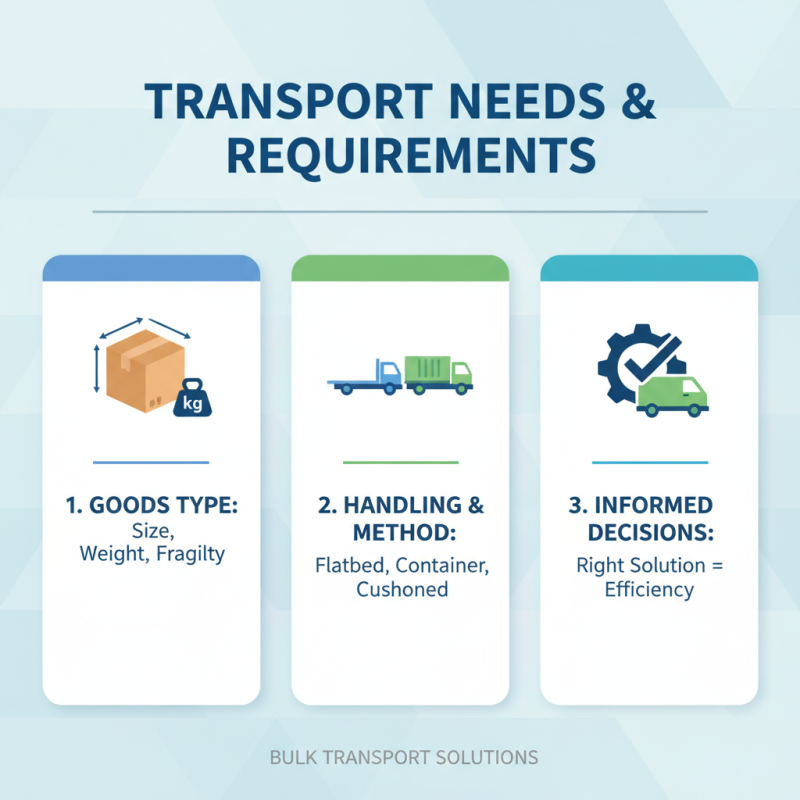
Understanding your transport needs is crucial when selecting bulk transport solutions. Start by assessing the type of goods you need to transport. Consider their size, weight, and fragility. Different products require different handling and transport methods. For heavy machinery, a flatbed truck may be necessary. For delicate items, containers with proper cushioning are essential. Understanding these specifics helps in making informed decisions.
Next, evaluate the distance and frequency of your transport. Is it a one-time shipment or a regular delivery? Regular transport may benefit from contracts with transport providers. However, one-off shipments might favor a more flexible approach. Also, analyze your budget. Lower costs often come with compromises in service quality. Balancing your budget against the level of service you require is vital.
Many businesses overlook the importance of insurance when choosing transport solutions. Damage during transport can be costly. Investigate what insurance options are available; this could save you money in the long run. Ensure you are comfortable with the insurance terms before finalizing any agreements. Reflecting on these details allows you to select the best transport solution for your specific needs.
Evaluating Different Bulk Transport Methods
When evaluating bulk transport methods, it's essential to understand the specifics of each option.
Road transport accounts for nearly 70% of freight transportation in many regions, primarily due to its flexibility.
However, it may not always be the most efficient for long distances. According to industry reports, rail transport can reduce transportation costs by up to 30% over large distances.
It is vital to consider load capacity and route accessibility when comparing these methods.
Water transport is often overlooked, yet it moves around 90% of the world’s trade volume.
This method excels in cost-effectiveness, especially for heavy and bulk goods.
However, transit times can be significantly longer. Choosing between modes is not straightforward; businesses must weigh urgency against cost.
Some firms find that integrating multiple modes, known as intermodal transport, can maximize efficiency.
Yet, challenges like coordination and schedule synchronization present hurdles that require careful planning.
Air freight is the fastest option but comes with higher costs. For valuable or perishable goods, this is sometimes unavoidable.
Data shows that air transport is becoming increasingly popular, despite its higher expense.
It ranks as the fastest growing sector in bulk transport, indicating shifting priorities in logistics.
Businesses need to analyze their specific needs to determine the best method for their transport strategy.
Balancing speed, cost, and reliability often leads to tough decisions.
Analyzing Cost-Effectiveness of Transport Solutions
When choosing bulk transport solutions, cost-effectiveness matters significantly. A thorough analysis helps determine the most efficient option for your specific needs. Understanding the total cost of transport involves more than just the price per mile. Consider factors such as fuel consumption, maintenance, and potential delays. These elements can accumulate quickly and impact your bottom line.
Evaluating different transport solutions requires examining their efficiency. For example, some modes might seem cheaper upfront but can incur additional expenses. Delays can affect delivery times and disrupt supply chains. It’s crucial to ask the right questions and conduct cost comparisons. Reflect on how often disruptions occur with each method.
Turn to industry reports and expert analyses for valuable insights. Reliable data can guide your decision-making process. Look for trends that align with your operation size and frequency. Reflecting on past experiences with different transport options is essential. A method that worked a year ago may not be suitable now. Regularly reassess your choices to ensure they are still effective.
How to Choose the Best Bulk Transport Solutions for Your Needs? - Analyzing Cost-Effectiveness of Transport Solutions
| Transport Mode |
Cost per Ton (USD) |
Transit Time (Days) |
Capacity (Tons) |
Environmental Impact (CO2/ton km) |
| Truck |
150 |
3 |
20 |
0.1 |
| Rail |
100 |
5 |
400 |
0.05 |
| Barge |
70 |
10 |
1600 |
0.02 |
| Air |
500 |
1 |
5 |
0.6 |
Assessing Reliability and Safety in Bulk Transport
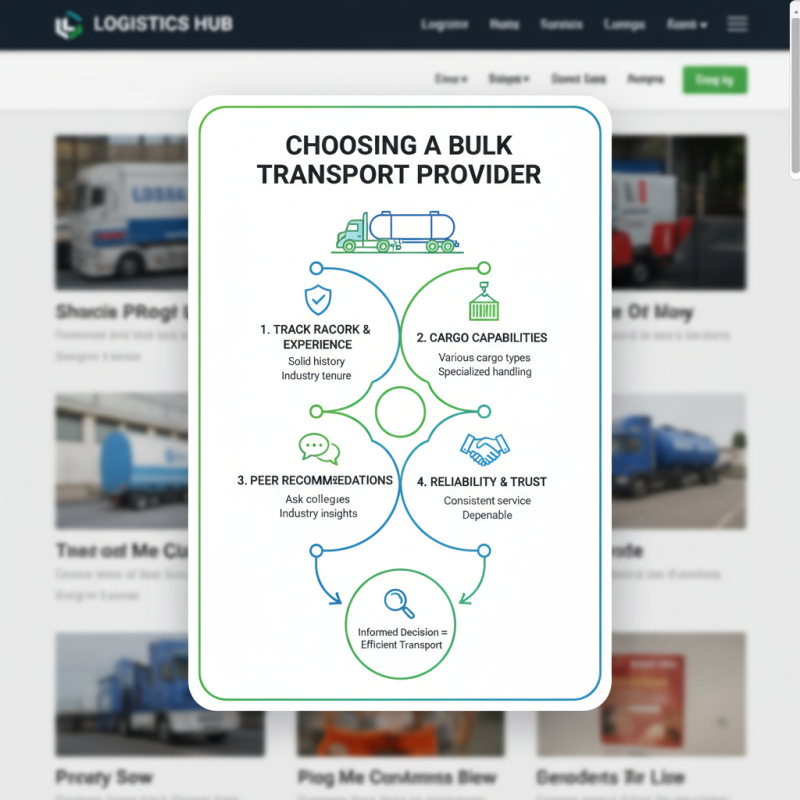
When assessing reliability and safety in bulk transport, it's crucial to consider various factors. Start with the carrier's track record. Look for a solid history of on-time deliveries and proper handling of cargo. This is vital for ensuring your products arrive safely.
Safety measures should also be at the forefront. Examine the company's safety protocols. Good practices include regular vehicle maintenance and staff training. Ask for evidence of safety inspections and incident reports. A reliable company will be transparent about these details.
Another point to reflect on is the level of communication. Ensure the carrier provides timely updates about your shipment. Clear and open communication can prevent misunderstandings and enhance safety. When issues arise, quick communication can help in resolving them. Trust your instincts; if something feels off, consider other options.
Assessing Reliability and Safety in Bulk Transport Solutions