How to Choose the Best International Cargo Shipping Options?
When navigating the complex world of international cargo shipping, choices can be overwhelming. As noted by John Smith, a leading expert in the international cargo industry, “Choosing the right shipping method can save time and money.” Understanding the nuances of various shipping options is crucial for businesses engaged in global trade.
International cargo options vary widely. Factors like cost, speed, and reliability play significant roles. Some companies may prioritize speed to meet tight deadlines. Others might focus on cost-efficiency, particularly for large volumes. However, a balance must be struck. Choosing a service based solely on one factor can lead to costly mistakes.
It’s also essential to consider the experience of the shipping provider. Newer companies may offer lower rates, but they might lack the necessary expertise. This can result in unforeseen delays or damage. Reflecting on past shipping experiences can guide better decision-making. Ultimately, the right choice in international cargo shipping requires careful consideration and reflection.

Factors Influencing International Cargo Shipping Costs and Options
Choosing the right international cargo shipping option can be challenging. Costs are influenced by several factors. One key factor is distance. Longer distances often lead to higher shipping fees. For instance, shipping from Asia to Europe generally costs more than domestic shipping. In fact, industry reports indicate that international shipping costs can range from $1,000 to $5,000, depending on the route and cargo size.
Another factor is the type of cargo. Perishable goods require specific conditions, which increase costs. Non-perishable items may have different considerations. The mode of transport also matters. Air freight is faster but more expensive than sea freight. According to the International Air Transport Association, air freight prices can be up to four times higher per metric ton than sea freight.
Finally, seasonal demand can affect prices. Peak seasons typically see a surge in shipping costs. For example, shipping rates can double during holiday seasons. Understanding these factors can help businesses choose the right option. However, it's essential to stay flexible. Unexpected delays and rising costs can impact your shipping strategy. The landscape is complex and requires careful navigation.
Understanding Different Types of Cargo Shipping: Air, Sea, and Land
When selecting the right cargo shipping method, understanding the types available is crucial. Air cargo is the fastest option, ideal for time-sensitive goods. According to the International Air Transport Association, air freight accounts for around 35% of global trade by value. It’s efficient but can be costly. Companies often use air for high-value or perishable items, which may justify the expense.
Sea freight is the most commonly used method, particularly for large shipments. It’s slower, taking weeks, but significantly reduces costs. The World Shipping Council reported that maritime transport handles about 90% of worldwide trade volume. The gradual pace can be a drawback. Some businesses may face inventory management issues due to these delays.
Land shipping, combining trucks and trains, offers flexibility. It bridges gaps between air and sea transport. A report from the American Trucking Associations indicated that trucks moved around 72% of goods in the U.S. in 2021. However, this method is subject to traffic and weather disruptions, which can slow down deliveries. Finding a balance between speed and cost while evaluating potential delays is essential for any logistics strategy.
How to Choose the Best International Cargo Shipping Options?
| Shipping Type |
Speed |
Cost |
Best For |
Payload Capacity |
| Air Freight |
1-3 Days |
High |
Perishable goods, urgent shipments |
Up to 2,000 kg |
| Sea Freight |
1-6 Weeks |
Low |
Bulk goods, large volumes |
20,000-100,000 kg |
| Land Freight |
2-10 Days |
Medium |
Regional shipments |
Up to 25,000 kg |
| Express Courier |
Same Day - 2 Days |
High |
Documents, small packages |
Up to 30 kg |
Evaluating Transit Times and Delivery Reliability for Cargo Shipments
When choosing international cargo shipping options, evaluating transit times is crucial. Reports indicate that transit times vary significantly by service type. For instance, express shipping can take 1-3 days, while standard shipping might stretch to 10-15 days. This variance can impact inventory management and customer satisfaction.
Delivery reliability must also be a priority. According to a recent logistics study, approximately 20% of shipments face delays, leading to customer dissatisfaction. Companies that track metrics like on-time delivery rates often outperform competitors. Understanding seasonal effects is vital. Peak seasons can lead to delays, affecting overall reliability.
Additionally, not all cargo transport methods are created equal. Air freight usually ensures faster delivery, but can be costly. Ocean freight is more economical but often lacks the reliability necessary for time-sensitive goods. Some might overlook these nuances, resulting in poor decisions and unexpected costs. Reflecting on these variables can lead to better shipping strategies.
Importance of Choosing the Right Logistics Provider for Global Shipping
Choosing the right logistics provider is crucial in international cargo shipping. According to industry data, nearly 70% of companies report that logistics choices significantly impact their efficiency. A reliable provider ensures timely deliveries, minimizing costly delays. With over 50% of businesses facing shipping challenges, the selection process becomes essential.
When assessing potential logistics partners, focus on their network coverage. A provider with extensive global reach can effectively handle various shipping routes. Also, consider their technology capabilities. Advanced tracking systems enhance visibility, allowing businesses to monitor shipments in real-time. This transparency is critical, especially when unexpected issues arise.
Cost is always a factor. Yet, opting for the cheapest option might lead to compromised service quality. Research shows that companies prioritizing quality over cost tend to have better customer satisfaction. Remember, the logistics provider reflects your business ethos. Making an informed choice may require more time upfront but can save future headaches.
Global Shipping Costs by Method
This chart illustrates the average shipping costs associated with various international cargo shipping methods. Choosing the right logistics provider for global shipping can significantly impact cost and efficiency.
Analyzing Customs Regulations and Documentation in International Shipping
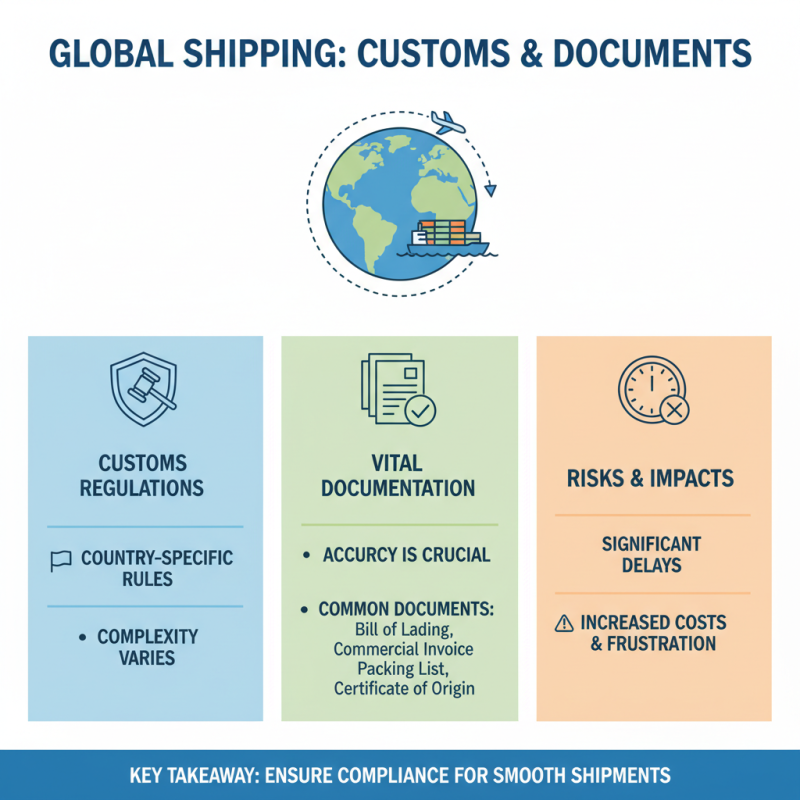
When engaging in international cargo shipping, understanding customs regulations is crucial. Each country has its own rules, which can be complex. Documentation plays a vital role. You must ensure that all papers are accurate. A minor error can lead to significant delays. This can be frustrating, especially if shipment timelines are tight.
Familiarize yourself with required documents like invoices, packing lists, and certificates. Some countries may require specific permits. Missing these can halt your shipment. Additionally, it's important to know about duties and taxes. Not everyone is aware that these can vary widely. Keeping up with the latest regulations is necessary. They frequently change.
Mistakes happen, even to seasoned shippers. One recent case involved a missing declaration. The shipment, worth thousands, was delayed for weeks. Such issues can impact customer trust. Make sure your documentation is thorough and in order. Don’t assume everything will go smoothly. Always double-check your work. That extra effort can save you time and expense later.