How to Manage a Tape Library Effectively and Efficiently?
Effective Tape Library Management is crucial for modern data storage solutions. According to Alex Harris, a renowned expert in the field, "Efficiency in tape management leads to significant cost savings." His insights highlight the importance of optimizing tape library operations.
Many organizations struggle with outdated processes. They often face challenges like inefficiency and difficulty in tracking assets. These issues can lead to increased costs and lost data. A well-managed tape library can improve data retrieval times and reduce overhead. However, achieving this is not always straightforward.
Regular audits and updated inventory systems are vital. They can help identify gaps in management practices. It's essential to embrace technology to streamline operations. Yet, many institutions resist change, fearing disruption. This reluctance can hinder improvement in Tape Library Management. Finding the right balance between technology and traditional methods is key.

Understanding the Components of a Tape Library System
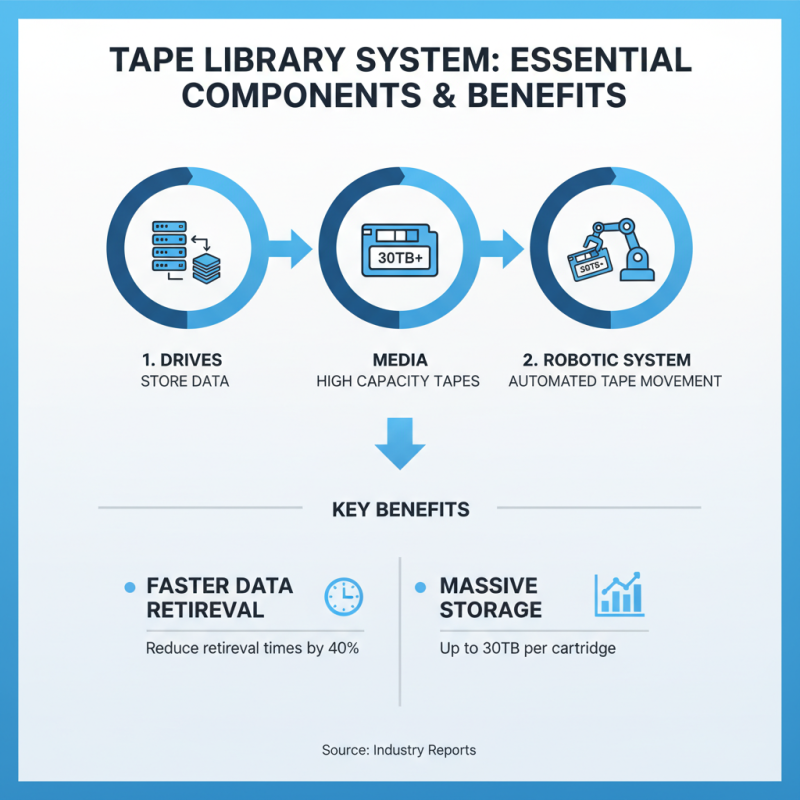
In a digital landscape where data is flourishing, understanding the components of a tape library system is vital. A tape library comprises several key elements: drives, media, and a robotic system. Drives store data, while tapes can hold significant amounts, with some options reaching up to 30TB per cartridge. A robotic system manages tape movements, enhancing efficiency. According to industry reports, organizations can reduce data retrieval times by 40% when utilizing automated systems.
Tips: Regularly assess tape performance. Monitor for signs of wear. Replace tapes that show degradation. Data integrity is essential.
It's also crucial to consider capacity planning. An effective tape library can handle massive data volumes. However, only 30% of organizations have developed adequate capacity plans. Ineffective planning leads to outdated systems. Balancing operational costs and system performance is a delicate act. Examine usage patterns frequently.
Tips: Conduct regular audits. Analyze data growth trends. Stay prepared for future needs.
Establishing a Proper Inventory Management Process
Establishing a proper inventory management process is crucial for an efficient tape library. A well-organized inventory ensures that each tape is accounted for. This reduces the risk of data loss and improves retrieval times. Regular audits can help maintain accuracy.
Tips: Implement a barcoding system. Label every tape clearly. This accelerates tracking and minimizes human error. Use a digital system to automate inventory checks.
Consider the storage conditions of tapes. Ensure they are kept in a controlled environment. Temperature fluctuations can damage them. Regularly check the physical condition of each tape. Signs of wear or damage should prompt immediate action.
Tips: Schedule routine maintenance checks. Create a checklist for quick assessments. Train staff to spot potential issues early. Keeping your inventory updated helps avoid unanticipated problems. An organized system can make all the difference.
Data Usage in Tape Library Management
Regular Maintenance and Monitoring for Optimal Performance
Regular maintenance of a tape library is crucial for efficiency. Check the tapes regularly for signs of wear. Dust and dirt can accumulate over time, leading to read and write errors. It’s essential to clean the drives and replace any faulty tapes promptly. Small tasks, like routine checks, can save you from larger issues later. Many users overlook the power of regular inspections.
Monitoring the performance of your tape library is equally important. Use software tools to track data flows and errors. Unexpected failures may increase if performance metrics are ignored. A proactive approach can help identify trends before they turn into problems. Setting alerts for unusual activities can be beneficial. How often should one check? A weekly review might be necessary, especially in high-usage environments.
Despite best efforts, challenges are bound to arise. Tape libraries can fail unexpectedly. It's vital to maintain a robust backup plan. This includes testing restore processes regularly. Mistakes happen, and not every tape will work perfectly every time. Learning from these instances helps build a resilient system. It’s a balancing act between technology and human oversight.
Training Staff on Tape Library Operations and Best Practices
Training staff on tape library operations is essential for maximizing efficiency. According to a 2022 report by the Storage Networking Industry Association, well-trained staff can improve operational performance by up to 30%. Training should cover the full spectrum of tape operations, including inventory management, data retrieval, and system maintenance. Employees should practice with real tapes regularly, becoming familiar with handling procedures.
Frequent training sessions can mitigate human errors. Research has shown that 25% of tape-related issues stem from operator mistakes. This can lead to costly downtime and data loss. Incorporating hands-on exercises reinforces knowledge and builds confidence. A simulation of the entire workflow can help staff understand the importance of their roles.
Moreover, it's crucial to cultivate a culture of continuous learning. Regular feedback sessions should be conducted to reflect on processes. A 2023 industry survey indicated that 40% of respondents felt unprepared for new technologies. Engaging staff in dialogue about these challenges fosters an environment of growth. Address these gaps through targeted training that adapts to changing technologies.
How to Manage a Tape Library Effectively and Efficiently? - Training Staff on Tape Library Operations and Best Practices
| Training Topic |
Duration (Hours) |
Frequency |
Target Audience |
Notes |
| Introduction to Tape Libraries |
2 |
Quarterly |
All Staff |
Basics of tape libraries and their importance. |
| Operational Best Practices |
3 |
Bi-Annual |
Operational Staff |
Focus on efficiency and reduction of errors. |
| Data Management Techniques |
4 |
Annual |
Data Management Team |
Efficient data retrieval and storage techniques. |
| Troubleshooting Common Issues |
2 |
Monthly |
Technical Staff |
Identify and resolve frequent tape issues. |
| Security Best Practices |
2 |
Bi-Annual |
All Staff |
Ensuring data security and confidentiality. |