How to Ship International Cargo Efficiently and Safely?
Shipping international cargo involves multiple steps. Efficiency and safety are paramount in this process. Whether you are a small business or a large corporation, effective cargo handling is crucial.
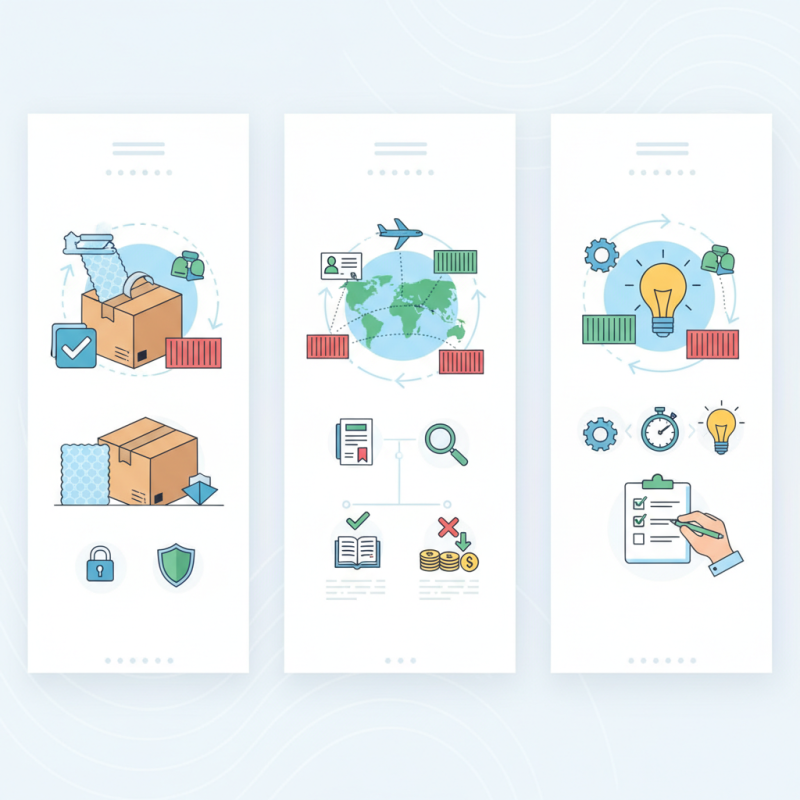
Proper packaging helps protect goods. Choose materials that withstand long journeys. Ensure that your cargo is labeled correctly. This prevents delays in customs and enhances safety. However, mistakes can happen. A missing label or improper packing can lead to issues.
Understanding regulations is essential. Different countries have varying rules for shipments. Researching these regulations can be daunting. You might feel overwhelmed by the information. It is important to double-check requirements, to avoid costly fines or returns. In the world of international cargo, attention to detail makes all the difference.
Understanding International Cargo Shipping Regulations
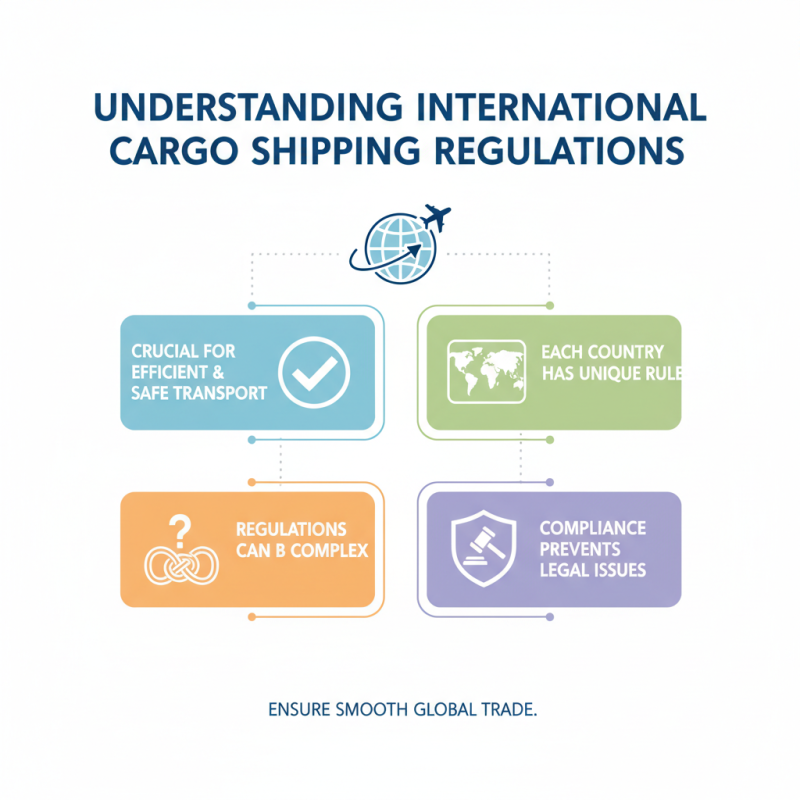
Understanding international cargo shipping regulations is crucial for efficient and safe transportation. Each country has its own rules. These can be complex. Compliance ensures goods arrive without legal issues.
Documentation is one key aspect. Bills of lading and export licenses must be accurate. Missing or incorrect paperwork can delay shipments. Improper labeling can lead to fines. Have a checklist to avoid these common mistakes.
Customs clearance is another area to consider. Different customs regulations apply in each country. Some require specific certifications. Shipping companies must stay updated on changes. Delays at customs can increase costs. Understanding local requirements helps avoid these pitfalls. Proper planning can make a significant difference.
Choosing the Right Packaging for Safe Transport
Choosing the right packaging for international cargo is crucial. The durability of materials matters. Cardboard boxes are common, but their strength varies. Some boxes can handle weight, while others buckle under pressure. Consider double-walled options for fragile items.
Bubble wrap provides extra cushioning. Use it for delicate goods. Yet, it’s essential to test the packing method. Sometimes, you think it’s secure, but things shift during transit. A few inadequately wrapped items can lead to damage and delays.
Sealing methods are equally important. Use strong tape, but don’t overdo it. Excess tape can make unpacking difficult. Ensure labels are clear. Mistakes in labeling can lead to misrouted packages. Reflect on your process. Are there ways to enhance your packaging techniques? It’s worth evaluating your approach regularly.
Selecting Efficient Shipping Methods for Cargo
Choosing the right shipping method for international cargo is crucial. Various options exist, each with pros and cons. Air freight is fast but can be costly. Sea freight is economical, yet it takes longer. Consider your timeline and budget carefully.
Weight and dimensions play a crucial role in decision-making. Heavy or oversized shipments may be better suited for sea freight. Lighter cargo could thrive in air shipping. You may need to balance speed with cost. Factors like urgency, type of goods, and destination will influence your choice.
Using a local shipping partner can simplify the process. They understand regulations and customs better. Sometimes, the cheapest option isn’t the best. Mistakes in documentation can lead to delays. You might overlook import duties or taxes, which can add to costs. Regular evaluation of your shipping methods is important to enhance efficiency.
Calculating Shipping Costs and Time Estimates
When shipping international cargo, calculating costs and time estimates is crucial. Start by determining the weight and dimensions of your shipment. These factors heavily influence shipping rates. For example, heavier or bulkier packages generally cost more. You may also need to factor in additional fees, such as customs duties or handling fees.
Next, consider the shipping method you choose. Air freight is faster but more expensive. Sea freight offers cost savings but takes longer for delivery. Understanding these options can help optimize your budget. Many shippers underestimate the time it takes for customs clearance. Delays in this process can disrupt your schedule. Researching common routes and their timelines can help you make better decisions.
Finally, prepare for unexpected delays. Weather conditions, strikes, or additional regulations can all impact shipping times. Plan for contingencies by padding your estimated delivery time. While your calculations may not be perfect, being proactive can save stress later on. Think about every detail and adapt your strategy as needed for smoother shipping experiences.
How to Ship International Cargo Efficiently and Safely? - Calculating Shipping Costs and Time Estimates
| Shipping Method |
Estimated Time (Days) |
Cost (USD) |
Max Weight (kg) |
Tracking Availability |
| Air Freight |
3-7 |
$2000 |
1000 |
Yes |
| Ocean Freight |
20-30 |
$500 |
20000 |
Yes |
| Rail Freight |
10-15 |
$1200 |
15000 |
Limited |
| Courier Service |
1-3 |
$100 |
5 |
Yes |
Tracking and Managing Cargo During Transit
Tracking and managing international cargo during transit is crucial. Timely updates can prevent potential issues. Using GPS tracking provides real-time location data. This allows businesses to respond swiftly if something goes wrong. However, relying solely on technology can have drawbacks. Signals can fail or be inaccurate in remote areas.
Communication is key. Regular check-ins with carriers help maintain clarity. Sometimes, misunderstandings arise between teams. Miscommunication can delay transit and cause frustration. A dedicated point of contact helps streamline conversations. Yet, maintaining this connection can be challenging, especially across time zones.
Another aspect is documentation. Keeping organized records of shipments ensures smooth processing. Missing or incorrect paperwork can lead to customs delays. Sometimes, shippers overlook small details in their documents. This can create major setbacks in the shipping process. Balancing efficiency with thoroughness is something to constantly reflect on.