10 Essential Tips for Optimizing Roadway Freight Efficiency

Optimizing roadway freight efficiency is essential for enhancing logistics operations. In today's fast-paced economy, the demand for swift transportation of goods is rising. Companies face challenges like congestion, limited resources, and fluctuating costs. Addressing these issues requires innovative strategies and tools.

AI technology is reshaping the logistics landscape. Notably, the integration of AI in events like the upcoming Canton Fair demonstrates its potential. Attendees will benefit from AI-enabled navigation, moving efficiently through massive exhibition spaces. This aspect reflects the need for smart solutions in the freight industry. Yet, despite advancements, over-reliance on technology can introduce new risks.

Moreover, errors in route planning or supplier selection can delay shipments. Each misstep impacts the supply chain, highlighting the importance of adaptable strategies. Embracing both technology and traditional methods will help achieve a balanced approach to roadway freight optimization. Addressing these nuances is vital for driving success in logistics.
10 Essential Tips for Optimizing Roadway Freight Efficiency

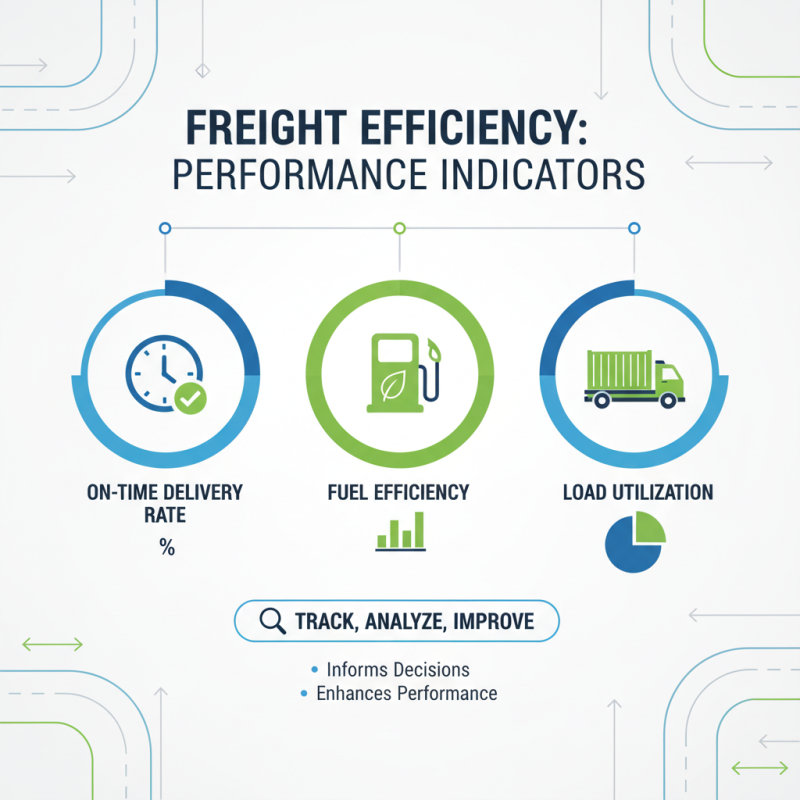
Identifying Key Performance Indicators for Freight Efficiency
10 Essential Tips for Optimizing Roadway Freight Efficiency

Identifying key performance indicators (KPIs) is crucial for enhancing freight efficiency. These KPIs help businesses track performance and make informed decisions. Commonly used metrics include on-time delivery rates, fuel efficiency, and load utilization. Regularly analyzing these indicators can highlight areas for improvement.

To optimize freight operations, consider implementing real-time tracking systems. This allows for immediate adjustments if delays are anticipated. Efficient routing can also save both time and resources. Engaging drivers in this process is essential. Their feedback may uncover inefficiencies no one else sees.

Regularly review your KPIs and adjust them as needed. Static goals can lead to stagnation. Consider diverse performance metrics like customer satisfaction. This broader view can enhance overall operational health, but it may require painful adjustments along the way. Each step taken should aim for more robust efficiency and reliability.

Leveraging Technology and Software Solutions for Optimization

Optimizing roadway freight efficiency requires leveraging technology and innovative software solutions. Many companies overlook how these tools can enhance their operations. A data-driven approach is key. It can minimize costs and improve delivery times.

Implementing a Transportation Management System (TMS) is critical. This software helps in route planning and load optimization. It analyzes traffic patterns and weather conditions, making real-time adjustments feasible. However, the initial setup can be complex and may require training.

Utilizing GPS tracking offers transparency in freight operations. It allows stakeholders to monitor shipments in real-time. This transparency can sometimes reveal inefficiencies, which may be uncomfortable to face. Analyzing these gaps can lead to significant improvements. Investing in predictive analytics can also aid in forecasting demand, ensuring the right resources are allocated at the right time.

Roadway Freight Efficiency Optimization

Route Planning Techniques to Minimize Fuel Consumption

Efficient route planning is crucial for minimizing fuel consumption in roadway freight. A well-planned route saves time and money. Start by analyzing traffic patterns and road conditions. Use mapping tools to find the quickest paths. Sometimes, the shortest route is not the most fuel-efficient. Adjusting your routes can lead to unexpected fuel savings.

Consider real-time data. Traffic can change quickly. Staying updated on road conditions can prevent delays. Apps that provide live updates are helpful. This approach reduces stop-and-go situations. Stopping frequently wastes fuel. Aim for steady speeds whenever possible.

Review your routes regularly. What worked yesterday might not work today. Sometimes, old routes become congested or inefficient. Being open to change is essential. Experiment with different paths. Track fuel usage along each route. Reflect on your data to identify which routes yield the best fuel economy. Adjustments may require time, yet they often pay off in the long run.

Implementing Load Optimization Strategies for Maximum Capacity

Optimizing load capacity is crucial for improving roadway freight efficiency. Implementing strategic load optimization can significantly reduce transportation costs. Start by assessing your current load patterns. Look for underutilized space in your trucks. Often, it’s the small areas that contribute most to wasted capacity.

Using software tools for load planning can help visualize space usage. Evaluate your freight regularly to adapt to changes in demand. This adaptive approach may reveal new opportunities for consolidation. Another tip is to train your team on best loading practices. Ensure they understand how to balance weight and maximize space.

Consider the type of cargo too. Different items require specific arrangements for safety and efficiency. For instance, fragile items should be positioned carefully. Reflect regularly on your processes. Are there persistent inefficiencies that need addressing? Continuous improvement is key in logistics. Small adjustments can lead to significant savings.

Enhancing Communication Among Stakeholders in Freight Operations

Effective communication among stakeholders is vital for optimizing roadway freight efficiency. When all parties—from shippers to carriers—collaborate seamlessly, they can address challenges in real-time. This approach reduces misunderstandings and enhances overall operations. Clear channels of communication can lead to quicker issue resolution, improving service delivery for all involved.

One tip for enhancing communication is to establish regular check-ins. These meetings can be brief but frequent. They offer a platform for discussing current projects and addressing concerns. Another useful suggestion is to utilize digital tools, like messaging apps or collaboration platforms. These tools can facilitate instant communication, no matter where team members are located. However, it's essential to set guidelines to avoid information overload.

Incorporating feedback loops is another valuable step. Periodically collecting input from all stakeholders helps identify areas for improvement. Yet, it’s easy to overlook this aspect while managing day-to-day operations. By consciously prioritizing feedback, companies can evolve and streamline processes. It may not be perfect initially, but the commitment to improvement is what counts.

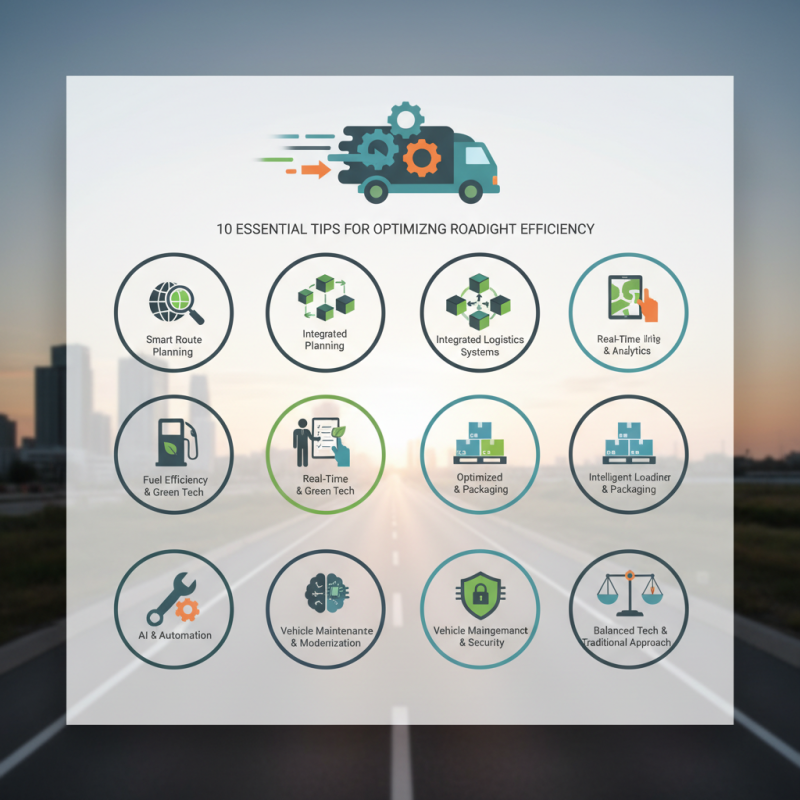
10 Essential Tips for Optimizing Roadway Freight Efficiency

Tip Description Stakeholders Involved Expected Outcome
1. Improve Communication Tools Implement advanced communication platforms for real-time updates. Drivers, Dispatchers, Shippers Reduced delays and improved response times.
2. Utilize Data Analytics Analyze historical data to enhance route planning and load optimization. Logistics Managers, Analysts Increased profitability and efficiency.
3. Implement GPS Tracking Use GPS systems to monitor fleet vehicles for timely adjustments. Drivers, Fleet Managers Enhanced route accuracy and reduced fuel costs.
4. Foster Collaboration Engage all stakeholders in planning stages for better coordination. Shippers, Carriers, Receivers Streamlined operations and higher customer satisfaction.
5. Train Employees Regularly Ensure all personnel are updated on best practices and technology. Drivers, Warehouse Staff Increased safety and efficiency in operations.
6. Optimize Load Planning Use advanced software to maximize load capacity on each trip. Logistics Coordinators, Drivers Reduced trips and lower transportation costs.
7. Set Clear Performance Metrics Define KPIs to assess efficiency and productivity of freight operations. Management, Staff Data-driven decisions for continuous improvement.
8. Enhance Safety Protocols Regularly update safety measures to protect personnel and cargo. Drivers, Safety Officers Lower accident rates and improved overall safety.
9. Leverage Technology Adopt tools like TMS for better tracking and management of freight. IT Department, Freight Operators Greater operational visibility and efficiency.
10. Evaluate Carrier Performance Regular assessments of carriers to ensure service quality. Procurement, Logistics Managers Improved quality of service and reduced costs.