What to Expect from European Rail Transport in 2026
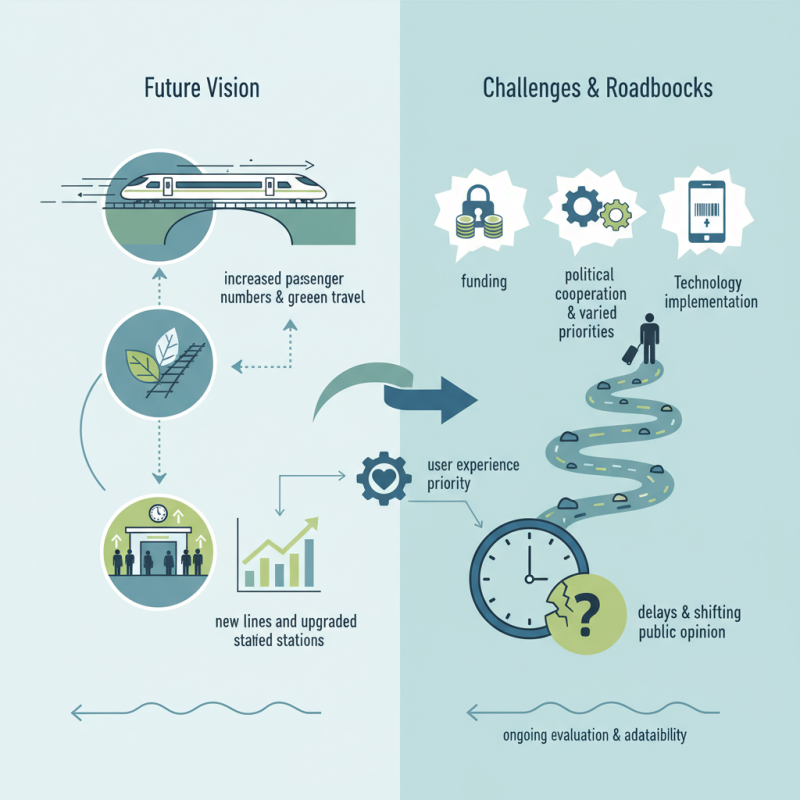
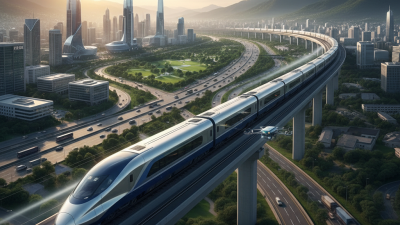
As we look ahead to 2026, European Rail Transport is set for significant changes. The rail network across Europe aims to enhance connectivity and sustainability. Major improvements include new lines and upgraded stations. These developments will support increased passenger numbers and promote greener options for travel.
However, there are challenges to overcome. Funding and political cooperation may slow progress. Different countries have varied priorities, making standardization difficult. Implementing technology, such as smart ticketing, is essential but complex. The user experience must be prioritized to attract more travelers.
While ambitious plans exist, the road to improvement is not always smooth. Some projects may face delays, and public opinion can shift. Therefore, stakeholders must remain adaptable. Achieving the full potential of European Rail Transport will require ongoing evaluation and reflection on evolving needs.
Current State of European Rail Transport in 2023
In 2023, European rail transport stands at a crucial juncture. Many countries are investing heavily in infrastructure, aiming to modernize aging systems. High-speed trains are becoming more common, reducing travel time between major cities. However, the rollout is uneven. Some regions still rely on outdated networks, causing frustration for travelers.
Environmental sustainability is a significant focus. Trains produce fewer emissions than cars or planes, making them an attractive option for eco-conscious travelers. Yet, challenges remain. Not all rail services are accessible, leaving some areas without reliable transport options. Additionally, punctuality varies widely, sometimes leading to unexpected delays.
Investment in technology is transforming rail experiences. Real-time tracking and improved ticketing systems enhance convenience for passengers. However, there are gaps. Not every segment of the population can easily use these technologies. Educating users on new systems is vital for maximizing benefits. Stakeholders must address these discrepancies to ensure a truly efficient rail network for everyone by 2026.
Expected Growth in European Rail Transport from 2023 to 2026
This chart illustrates the expected growth in both passenger numbers and freight transport in European rail systems from 2023 to 2026. As shown, there is a steady increase in both categories, indicating a robust recovery and expansion in rail transport services across Europe.
Key Trends Shaping European Rail Transport by 2026
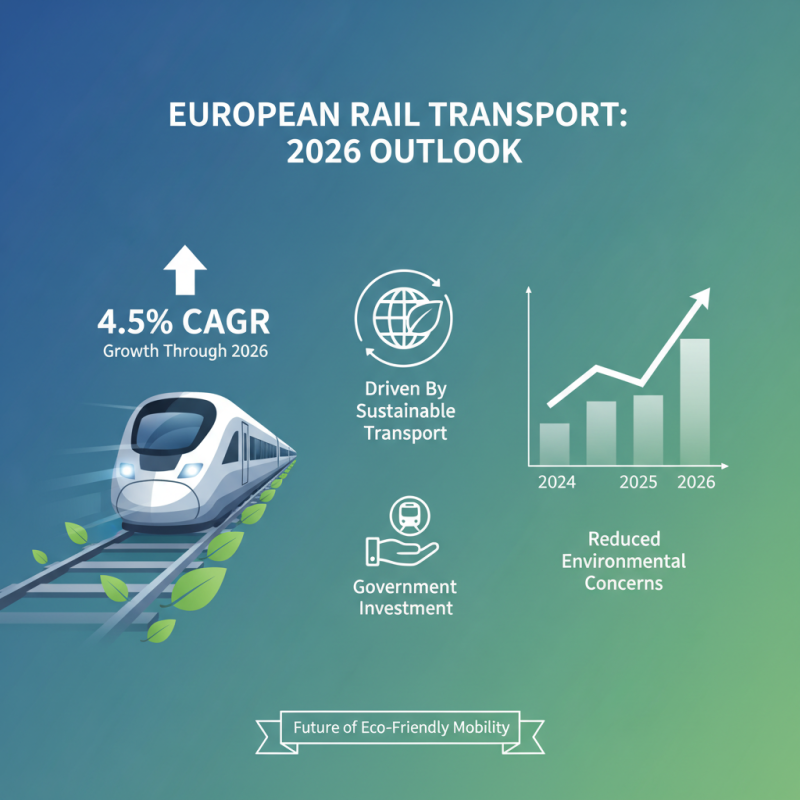
As we look toward 2026, European rail transport is poised for significant transformation. A recent report forecasts that the rail industry will see a compound annual growth rate (CAGR) of 4.5% through 2026. This growth is driven largely by increasing demand for sustainable transport solutions. With rising environmental concerns, many governments are investing heavily in rail infrastructure.
One key trend is the integration of digital technology. Innovations such as real-time tracking systems and AI for route optimization are reshaping operations. By maximizing efficiency, the rail sector can improve punctuality and customer satisfaction. Nevertheless, not all railways are equally prepared for this digital shift, revealing gaps that could hinder overall progress.
Sustainability is another focal point. The European Commission has set ambitious targets aimed at reducing carbon emissions by 55% by 2030. Rail transport must evolve to meet these expectations. However, current reliance on outdated systems in some regions poses a challenge. Achieving greener railways by 2026 will require overcoming existing infrastructure limitations. The path ahead is promising yet fraught with hurdles.
Technological Innovations in European Rail Systems by 2026
In 2026, European rail transport will witness significant technological advancements. According to a recent report by the European Rail Industry Association, rail networks will increasingly adopt digital technologies. Innovative signaling systems, such as the European Train Control System (ETCS), will enable safer and more efficient operations. This system aims to enhance interoperability, allowing trains to travel seamlessly across borders. However, implementation challenges remain, including the need for substantial infrastructure upgrades.
Another key development is the rise of electrification. A study from the International Energy Agency states that by 2026, over 75% of rail networks will be electrified. This shift supports sustainability goals and reduces greenhouse gas emissions. However, the transition to electric trains requires significant investment and planning. Currently, several regions lag behind, making it essential to address these disparities.
Additionally, integration of smart technologies will redefine passenger experiences. Features such as real-time tracking and mobile ticketing will become commonplace. Yet, there are concerns about cybersecurity as systems become more interconnected. A balance must be struck between innovation and safety. As we approach 2026, the rail sector must reflect on these challenges while adapting to new technologies.
Sustainability Initiatives within European Rail Transport Industry
The European rail transport industry is on the brink of a significant transformation towards sustainability by 2026. With the European Commission's "Green Deal," railways are set to play a pivotal role in reducing carbon emissions. Currently, around 0.4% of total EU greenhouse gas emissions come from rail transport. The goal is to decrease this number substantially through various initiatives.
One major focus is electrification. As of now, about 55% of Europe's rail network is electrified. However, the aim is to boost this figure to over 70% by 2026. This shift not only reduces dependence on fossil fuels but also enhances energy efficiency. Additionally, integrating renewable energy sources into rail operations becomes paramount. Reports show that investments in solar panels and wind energy could power up to 15% of rail operations by 2026.
Yet, challenges persist. Infrastructure upgrades require substantial investments and commitment. The cost of transitioning to sustainable practices could reach billions. Moreover, public funding often falls short. Stakeholders must address these gaps to meet sustainability targets. The road to greener rail transport is paved with both opportunities and hurdles. The next few years will be critical for achieving these ambitious objectives.
Predicted Challenges and Opportunities for European Rail in 2026
In 2026, European rail transport will face numerous challenges. Climate change is at the forefront. As temperatures rise, flooding and extreme weather could disrupt services. Rail networks must invest in resilient infrastructure. Safety measures need improvement, especially in rural areas where older tracks are still in use.
However, opportunities are emerging as well. The push for green transport is gaining momentum. Governments are encouraging shifts from road to rail. This creates demand for new lines and enhanced services. Innovations in technology could lead to smarter scheduling and efficient energy use.
While there are positive trends, the industry must address issues. Aging trains and stations present a barrier to growth. Many systems still rely on outdated technology. Cooperation between countries is often lacking, leading to inefficiencies. The future of rail transport in Europe hinges on tackling these problems creatively.