Top 10 European Rail Transport Options for Global Buyers?
Navigating the European Rail Transport landscape can be daunting for global buyers. With its intricate network, Europe offers diverse options. From high-speed trains to regional connections, there is something for everyone.
European Rail Transport is known for its efficiency and reliability. Countries like France and Germany lead with advanced systems. However, not all services meet the same standards. Some routes face delays and overcrowding, leading to frustration for travelers. Understanding these nuances is crucial for making informed choices.
Choosing the right rail option requires careful consideration. Factors like price, travel time, and comfort matter greatly. This guide highlights ten top European rail transport options. Each is evaluated based on key criteria. In an era of increasing connectivity, knowing your options can enhance travel experiences significantly.
Overview of European Rail Transport Options
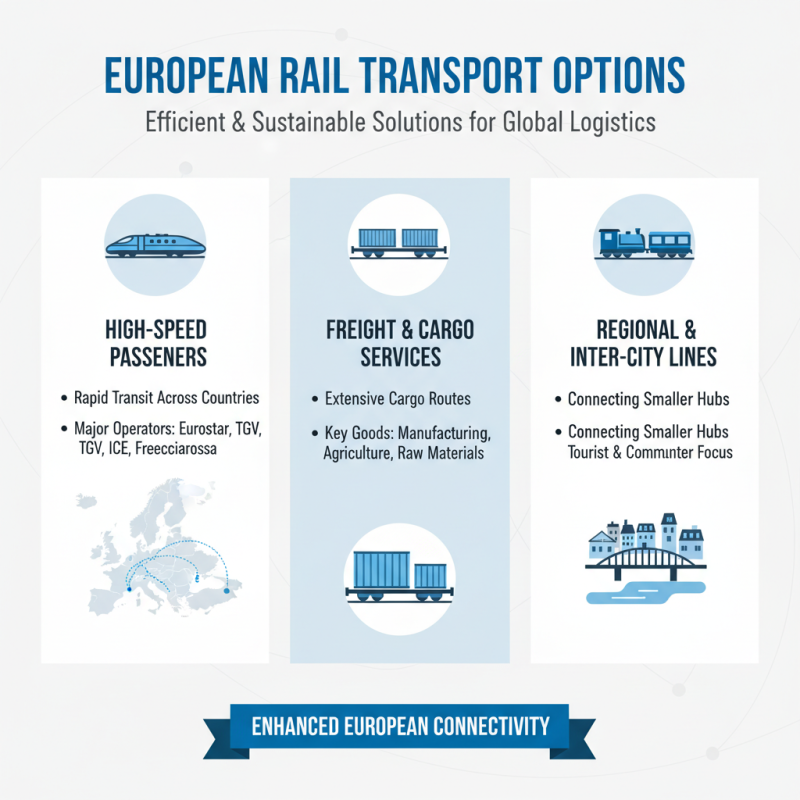
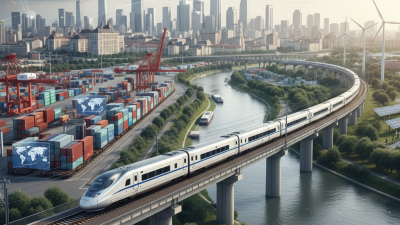
European rail transport options offer efficient and sustainable solutions for global buyers. The continent is home to various rail systems, each with unique features, catering to diverse logistics needs. From high-speed trains to freight services, the extensive network enhances connectivity across countries.
Traveling by rail can be both cost-effective and timely. Many services ensure punctuality and comfort, making them appealing to businesses. However, choosing the right option may require research. Not all systems are the same in terms of speed and reliability. Assessing these factors can save time and reduce costs.
Tips: Consider direct routes to avoid unnecessary transfers. This can lead to quicker deliveries. Also, check for seasonal schedules. Demand may fluctuate throughout the year, impacting availability. Familiarize yourself with customs regulations. Each country has different requirements, which can affect shipping timelines.
Key Players in European Rail Industry
The European rail industry is characterized by several key players that influence both regional and global markets. Major manufacturers, infrastructure operators, and service providers shape the dynamics of rail transport. Factors such as technological innovation and sustainability are critical in their operations. This industry is not just about trains; it involves complex supply chains and partnerships.
Europe's rail networks are continually evolving. Several prominent companies lead the way in developing green technologies and enhancing passenger experiences. Collaboration among different players is essential for optimizing efficiency and sustainability. However, there are challenges to be addressed, such as aging infrastructure or regulatory hurdles that can slow progress.
Furthermore, customer demands are shifting. Buyers are increasingly looking for reliable and efficient options. With a focus on cost reduction and increased connectivity, the industry faces pressure to adapt. Striking a balance between innovation and investment is necessary, prompting players to rethink their strategies continually.
Top 10 European Rail Transport Options for Global Buyers
| Transport Type |
Average Speed (km/h) |
Capacity (Passengers) |
Key Benefits |
Typical Use Case |
| High-Speed Trains |
300 |
600 |
Fast travel over long distances |
Intercity travel |
| Regional Trains |
120 |
300 |
Frequent service and local connections |
Commute and short-distance travel |
| Freight Trains |
80 |
Varies |
Cost-effective for large cargo |
Transport of goods |
| Metro Systems |
40 |
1000 |
High frequency and urban accessibility |
Urban transportation |
| Light Rail |
50 |
200 |
Flexible routes and lower operational costs |
Suburban areas |
| Monorails |
70 |
250 |
Minimal land use |
Tourist attractions |
| Night Trains |
90 |
400 |
Travel while sleeping |
Long-distance travel |
| Trams |
30 |
100 |
Convenient urban transport |
City centers |
| Personal Rapid Transit |
20 |
4 |
Automated and on-demand |
Airport connections |
| Funiculars |
15 |
20 |
Unique elevating transport |
Hilly terrains |
Types of Rail Transport Services Available
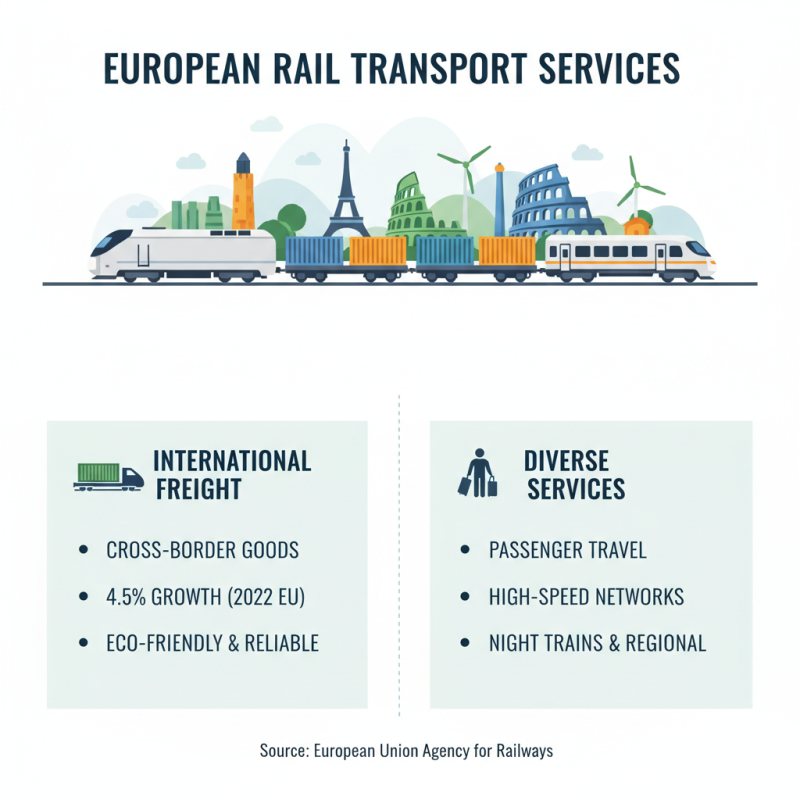
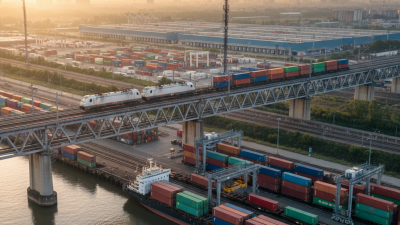
Rail transport in Europe offers diverse services suitable for global buyers. One significant type is international freight transport, essential for moving goods between countries. According to a report from the European Union Agency for Railways, rail freight traffic grew by 4.5% in 2022, signaling a robust demand. This mode reduces congestion on roads and limits environmental impact. Many shippers prefer this option, given its reliability and lower carbon footprint compared to road transport.
Another service is passenger rail. With high-speed trains connecting major cities, Europe excels in providing efficient travel options. The EU statistics show that Eurostar services alone transported over 10 million passengers in 2022. It signifies a growing trend where travelers seek greener alternatives. Issues like aging infrastructure and delays still plague this sector. Improvement is necessary for enhancing service quality and customer satisfaction.
Dedicated services such as intermodal transport have gained traction. This involves using multiple modes of transport for greater efficiency. The International Transport Forum notes that intermodal services are expected to grow by 30% by 2040. Despite the advantages, challenges remain. Coordination between different transport modes often proves complex. A critical review of these services is vital for ensuring seamless operation in the future.
Comparative Analysis of Rail Transport Costs
When analyzing rail transport costs in Europe, one must consider several key factors. The European rail network is extensive, yet variability in costs exists across different countries. According to recent reports, freight transport by rail can range from €0.06 to €0.15 per ton-kilometer, depending on factors like distance and regional regulations. Countries like Germany and France often exhibit lower costs due to advanced infrastructure.
However, not all is straightforward. Some regions face higher operational costs due to outdated systems. A study shows that Eastern European nations may see costs as high as €0.25 per ton-kilometer. This reflects not only the infrastructure quality but also the regulatory hurdles faced. There's a pressing need for investment in these areas to optimize cost-efficiency.
Furthermore, climate regulations are influencing costs. The focus on sustainability is reshaping pricing structures. Companies aiming for greener choices may encounter higher initial costs that can deter some players from entering the market. Ultimately, balancing cost-efficiency and sustainability will be crucial for future rail transport endeavors in Europe.
Future Trends in European Rail Transport Solutions
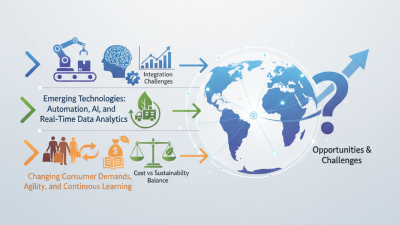
The future of European rail transport solutions looks promising, with innovation driving sustainable practices. Emerging technologies are reshaping the railway landscape. Digitalization enhances efficiency, enabling real-time data analysis for better service management. Rail operators are adopting smart systems for ticketing, scheduling, and maintenance.
Sustainability is at the forefront. Rail solutions are focusing on reducing carbon footprints. Electric trains are becoming more common, reducing reliance on fossil fuels. However, challenges remain. Infrastructure needs upgrades to accommodate the new systems. Not all regions have access to the latest technologies. Investment in modernization is crucial for seamless integration.
Collaborative efforts among countries are vital. Shared knowledge can improve rail networks across borders. Yet, the complexity of aligning diverse regulations poses hurdles. Consumer expectations are also evolving. Passengers want comfort and speed, but ticket prices remain a concern. The balance between affordability and quality service is a topic for reflection.