Top European Rail Transport Systems Transforming Travel Experience?
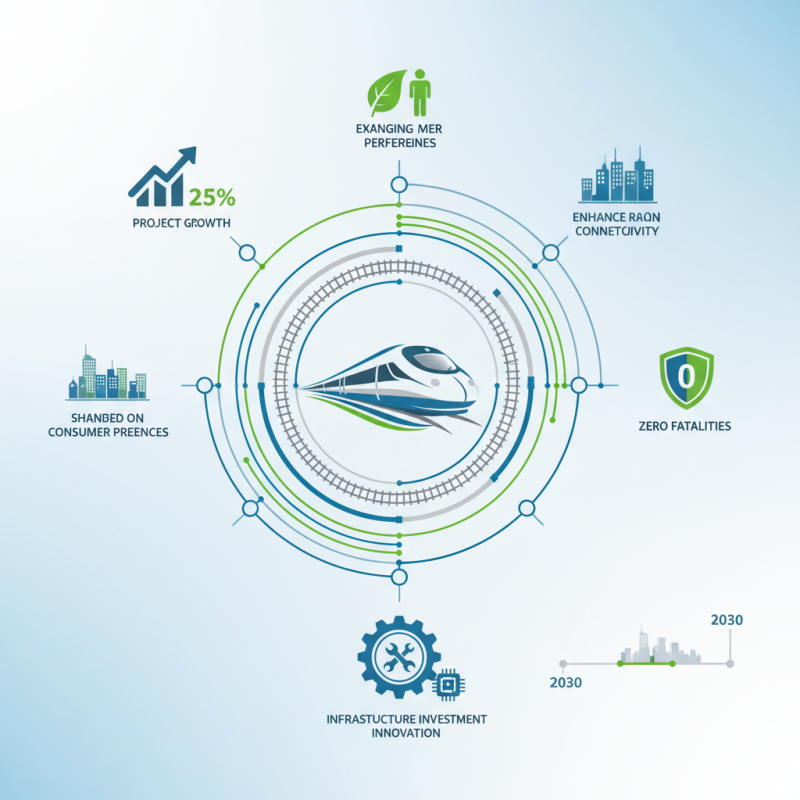
The European Rail Transport system is undergoing a significant transformation. Recent reports highlight a surge in demand for efficient travel solutions. According to a 2022 European Commission report, rail travel is projected to increase by 25% by 2030. Such growth reflects changing consumer preferences and environmental concerns.
Countries like Germany and France are investing heavily in modern rail infrastructure. High-speed trains connect major cities, reducing travel time and enhancing convenience. In Italy, rail journeys are becoming more popular, yet challenges remain. Despite advances, delays and overcrowding can impact passenger experiences.
Safety is another critical factor. The EU aims for zero fatalities by 2050 in the rail sector. However, achieving this goal requires continuous improvements and innovation. Stakeholders must address these challenges to ensure a seamless travel experience for all. The evolution of European Rail Transport may reshape how we perceive travel in the region.
Innovative Technologies in European Rail Transport Systems
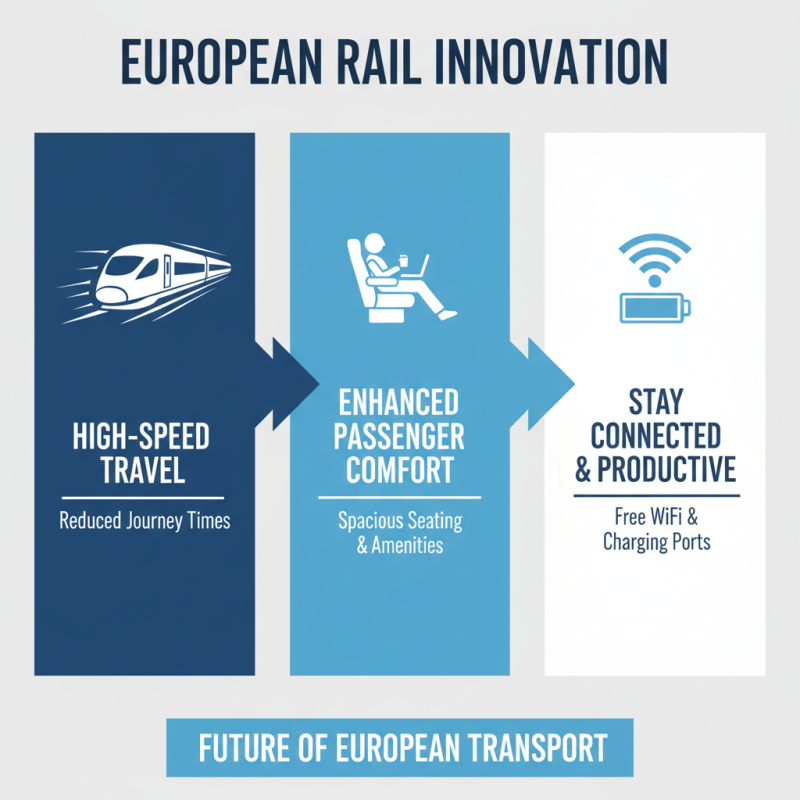
Innovative technologies are reshaping European rail transport systems. High-speed trains sweep across landscapes, transforming travel times. Passengers now enjoy an experience that blends speed with comfort. Onboard Wi-Fi and charging ports are standard features. These enhancements keep travelers connected and productive during their journeys.
Smart ticketing systems are also gaining traction. Travelers can use apps to check schedules and book tickets easily. QR codes replace traditional paper tickets, reducing waste. Yet, the transition hasn't been smooth. Some passengers still face difficulties with app navigation. Not everyone is tech-savvy, leading to confusion at stations.
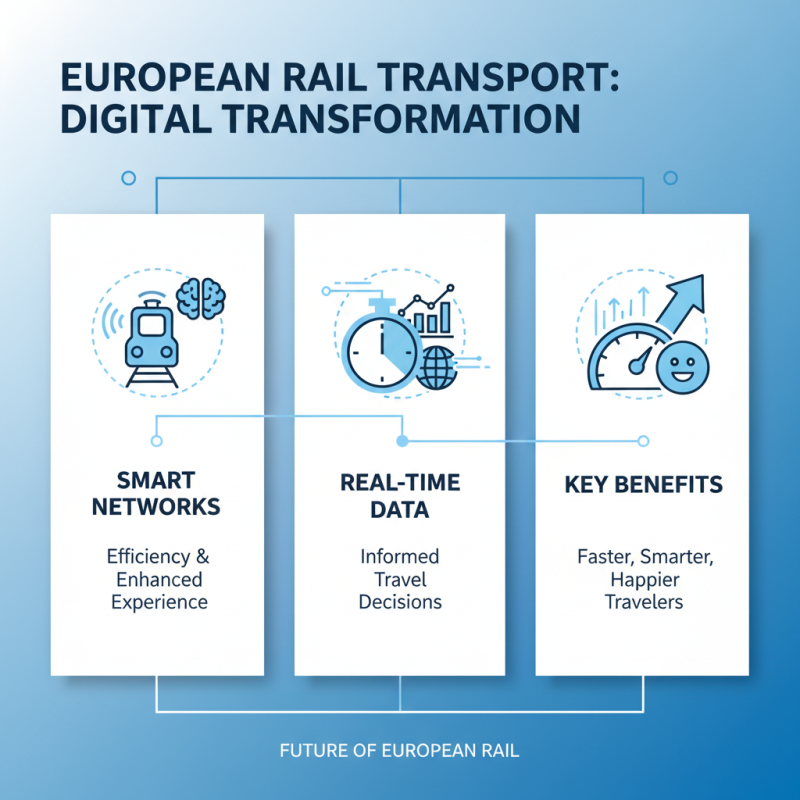
Furthermore, many rail systems are introducing AI for better traffic management. This technology optimizes train schedules. However, it requires constant updates and monitoring. Challenges arise when algorithms miscalculate disruptions or delays. Such issues can frustrate passengers, reminding everyone that technology needs fine-tuning. Continuous improvement is necessary to enhance the travel experience further.
Enhancing Passenger Comfort: Modern Amenities in Trains
Modern rail transport systems in Europe have undergone significant enhancements, focusing heavily on passenger comfort. Many trains now feature spacious seating with ergonomic designs, allowing travelers to enjoy longer journeys without discomfort. Climate control systems provide a perfect temperature, while large windows offer scenic views of passing landscapes. Soft lighting creates a relaxing atmosphere, making it easier for people to unwind during their travels.
Some amenities aim to cater to the needs of all passengers. Free Wi-Fi can be found on various services, allowing travelers to stay connected. Charging ports are becoming standard, ensuring devices remain powered. However, not all trains manage to provide consistent service. Occasionally, Wi-Fi can be unreliable, and seating may still feel cramped during peak hours. These inconsistencies remind us that improvements are still needed.
Food and beverage options also play a role in enhancing the travel experience. Train cafes feature a range of snacks and drinks, providing quick bites for hungry passengers. However, food quality varies widely, with some trains still offering unappetizing meals. Efficient service can lag, reflecting a need for better management. As rail systems evolve, these challenges highlight areas for future improvement in fostering a truly enjoyable journey.
Top European Rail Transport Systems Transforming Travel Experience
Sustainability Efforts in European Rail Transport: A Green Revolution
The European rail transport system is undergoing a significant transformation towards sustainability. Recent studies indicate that rail travel is up to three times more energy-efficient than road transport. This shift is essential as the sector aims to reduce carbon emissions by 75% by 2030. Many countries are investing heavily in renewable energy sources, like wind and solar power, to electrify train routes.
Tips: Use public transport. Smaller cities are often less connected. Consider combined transport options for longer journeys.
Innovative train designs have emerged, featuring lighter materials and aerodynamic shapes for improved efficiency. Yet, challenges remain. Some regions lack adequate infrastructure for green energy. There are discrepancies in speed and accessibility across networks, which can frustrate travelers.
Tip: Check train schedules in advance. Timing can affect your overall travel experience.
Overall, while European rail systems lead in sustainability, the journey towards a fully green revolution is ongoing. Local governments and private sectors must collaborate more effectively. Green investments can reshape the travel experience, but inconsistencies still need attention. The future depends on both modernization and sustainability efforts.
The Role of High-Speed Rail in Connecting European Cities
High-speed rail has become a vital part of European travel. It connects cities efficiently and reduces travel time significantly. For instance, the journey from
Madrid to Barcelona, once taking over four hours, is now completed in just 2.5 hours via high-speed trains. This
transformation makes it easier for business travelers and tourists alike.
According to the International Union of Railways, high-speed rail networks in Europe have expanded to over 4,000 kilometers. Countries like France and
Spain are at the forefront of this trend. Despite these achievements, challenges still exist. Infrastructure costs are high, and not all regions benefit equally from these
advancements. Smaller towns often remain isolated, missing out on the economic boost that high-speed connectivity can provide.
The environmental impact of high-speed rail is commendable. Trains produce significantly lower emissions compared to cars and planes. According to a report by the European Environment Agency,
rail transport emits three times less CO2 per passenger-kilometer compared to air travel. However, there are debates about land usage and
construction disruptions. As Europe continues to innovate, balancing these concerns will be crucial for future development.