What is Groupage Transport and How Can It Benefit Your Business?
Groupage Transport is revolutionizing the logistics industry. This method allows businesses to share shipping space, making it a cost-effective solution. According to logistics expert John Stevens, “Groupage Transport can significantly reduce overhead costs while ensuring timely deliveries.”
In the competitive market, every penny counts. By utilizing Groupage Transport, companies can optimize their resources. This shipping approach caters to smaller loads, which benefits those who do not require full truckloads. For many businesses, combining shipments not only saves money but also reduces their carbon footprint.
However, challenges exist. Arranging for shared space can lead to delays if schedules do not align. Companies must carefully consider their partnerships. Reliability in selecting transport providers is crucial. Despite its imperfections, the efficiency of Groupage Transport continues to attract businesses aiming for growth and adaptability in their logistics strategies.

What is Groupage Transport?
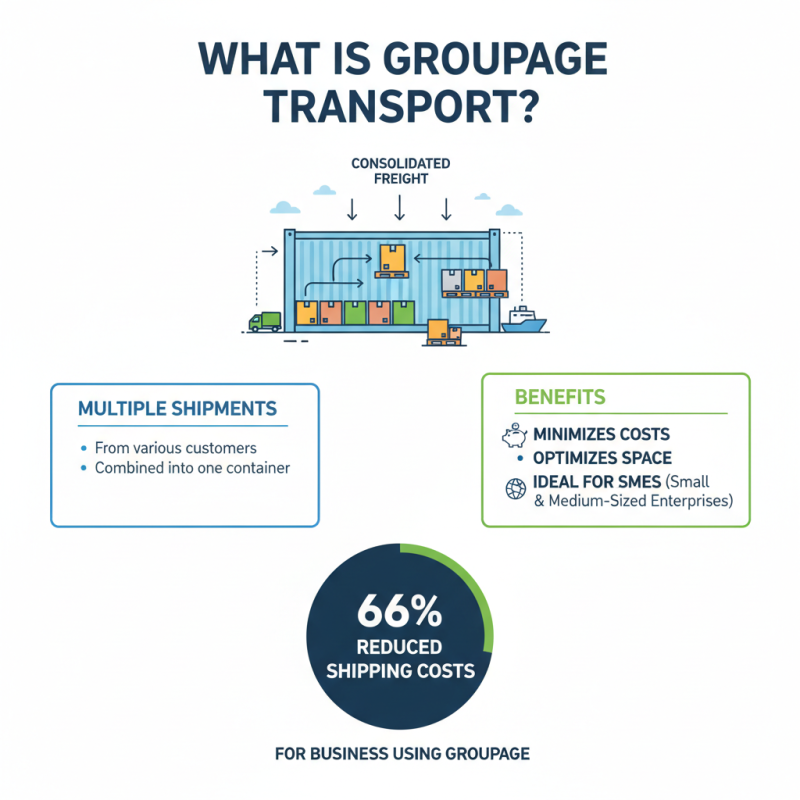
Groupage transport, often referred to as consolidated freight, involves combining multiple shipments from various customers into a single container. This approach minimizes costs and optimizes space, making it particularly beneficial for small and medium-sized enterprises. With over 66% of businesses reporting reduced shipping costs when using groupage services, this method proves advantageous, especially for those with limited shipping volumes.
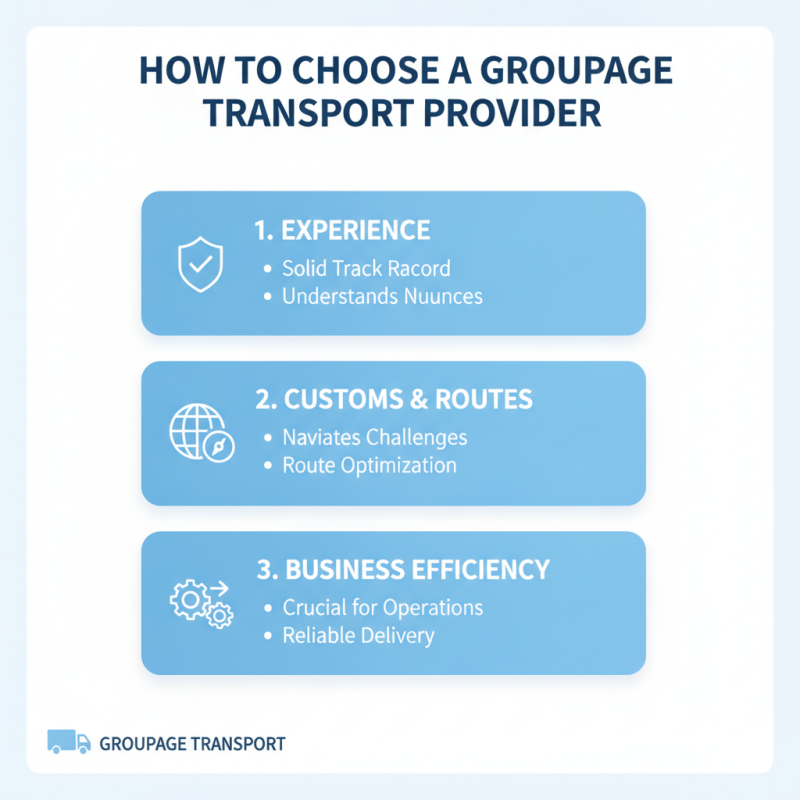
The logistics sector shows that groupage transport can significantly enhance supply chain efficiency. A 2022 report by the International Transport Forum highlighted that efficient consolidation leads to up to 30% savings in transportation costs. However, the key lies in choosing the right logistics partner. Some companies struggle with inconsistencies in delivery times and damaged goods when not managed well. Ensuring proper handling and clear communication is critical for mitigating such risks.
Understanding the intricacies of groupage transport can seem daunting. Factors like varying shipment sizes and destination reliability create complexities. It's essential for businesses to analyze their shipping patterns closely. Being aware of the potential for delays or miscommunication can lead to more informed decisions. This proactive approach enables companies to leverage groupage transport effectively while navigating its challenges.
Key Features of Groupage Transport Services
Groupage transport, also known as consolidated shipping, is a cost-effective option for businesses needing to move smaller loads. It combines shipments from multiple customers into one. This maximizes space and minimizes costs, making it a smart choice for many. For those with limited freight to send, this service can provide significant savings.
One key feature of groupage transport services is flexibility. Businesses can send goods without worrying about full container loads. This is particularly beneficial for small and medium-sized enterprises. They can access global markets with minimal investment. Additionally, the tracking capabilities offered by many groupage services ensure that shipments are monitored throughout their journey. This transparency builds trust and enhances reliability.
However, there are considerations to keep in mind. Groupage transport may result in longer delivery times compared to direct shipments. Consolidation processes can add delays. Businesses should weigh these potential trade-offs against cost savings. It’s important to review shipping needs and timelines carefully. Balancing speed and budget is essential for effective logistics planning.
Benefits of Groupage Transport for Businesses
Groupage transport is a logistics solution that consolidates shipments from multiple clients into a single load. This method can significantly reduce costs for businesses. According to the International Transport Forum, using groupage transport can lower shipping expenses by up to 30%. It allows businesses to share space within a larger container, which maximizes efficiency.
Adopting groupage transport can also enhance delivery speed. A report by Freightos notes that businesses engaging in consolidated shipments can reduce their transit time by 2-5 days. This is crucial in today’s fast-paced market. However, businesses must be mindful of potential delays caused by waiting for other shipments to fill the container. While the trade-off exists, the benefits often outweigh the frustrations.
Furthermore, businesses can improve their sustainability profile. The World Economic Forum highlights that consolidated shipments can reduce carbon emissions associated with transport. By using fewer vehicles, companies minimize their environmental impact. Still, companies must evaluate their logistics strategies carefully, ensuring that groupage transport aligns with their operational needs.
What is Groupage Transport and How Can It Benefit Your Business?
| Benefit |
Description |
Impact on Business |
| Cost Efficiency |
Combines shipments from multiple businesses to reduce costs. |
Lower shipping costs lead to improved profit margins. |
| Flexibility |
Offers various options depending on the shipping needs and volumes. |
Adapts easily to changing market demands and inventory management. |
| Reduced Risk |
Sharing space in a shipment can lower the risk of loss due to less inventory exposure. |
Minimized financial risk from lost shipments bolsters business stability. |
| Simplified Logistics |
Consolidation of shipments reduces the complexity of logistics operations. |
Streamlines supply chain management, saving time and resources. |
| Environmental Impact |
Less packaging and fewer trips reduce carbon footprint. |
Enhances corporate social responsibility image, attracting eco-conscious customers. |
Best Practices for Efficient Groupage Shipping
Groupage transport is an effective way to manage shipping costs for businesses. When multiple shipments are combined into one larger load, savings can be passed on. This method is especially beneficial for small to medium-sized enterprises that cannot fill an entire truck. Every penny saved can enhance profit margins and create growth opportunities.
To ensure efficient groupage shipping, proper planning is crucial. Understanding your shipment needs helps avoid costly delays. Analyze your inventory regularly to determine optimal shipment schedules. This reduces the chances of overpacking or underpacking your shipments.
Tips: Always communicate with your logistics provider. Share specific needs and schedules to align expectations. Consider using smart software that tracks shipments in real time. This way, you can make informed decisions about your logistics.
Groupage shipping may not always be straightforward. You might encounter issues with timing or costs if not managed well. Addressing these challenges requires a proactive approach. Sometimes, shipments can be delayed due to customs clearance or logistics miscommunication. Regularly review your processes to identify areas for improvement.