
What Are China Top Teesside Warehousing Services?

Choosing Teesside Warehousing for goods sourced from China involves more than finding spare floor space. Importers need to understand how a provider receives freight, records stock, and prepares orders for onward delivery. The right service depends on shipment size, product type, sales volume, and how quickly inventory must move.

A dependable warehouse should offer clear receiving procedures, accurate stock reporting, secure storage, and practical pick-and-pack support. Ask how inbound pallets are checked, when discrepancies are reported, and whether inventory data can connect with your sales system. Small details count. A labelled pallet location or a timestamped receipt can prevent costly confusion later. Providers may also coordinate with freight and customs specialists, but confirm who handles each task and what documentation you must supply.

For businesses comparing China-linked supply chains, Teesside Warehousing can provide a regional base for storing and distributing imported goods. Still, no service is “best” for every company. A low storage rate may not include handling, returns, or peak-season capacity. Request a written breakdown and review service levels, insurance terms, access arrangements, and references from comparable customers. Where possible, visit the facility and inspect how staff manage stock. A neat brochure is not proof. Nor is one customer’s experience enough to settle the question. This guide examines common warehousing services and the practical questions buyers can use to compare providers with care.
What Are China Top Teesside Warehousing Services?

What Teesside Warehousing Services Include

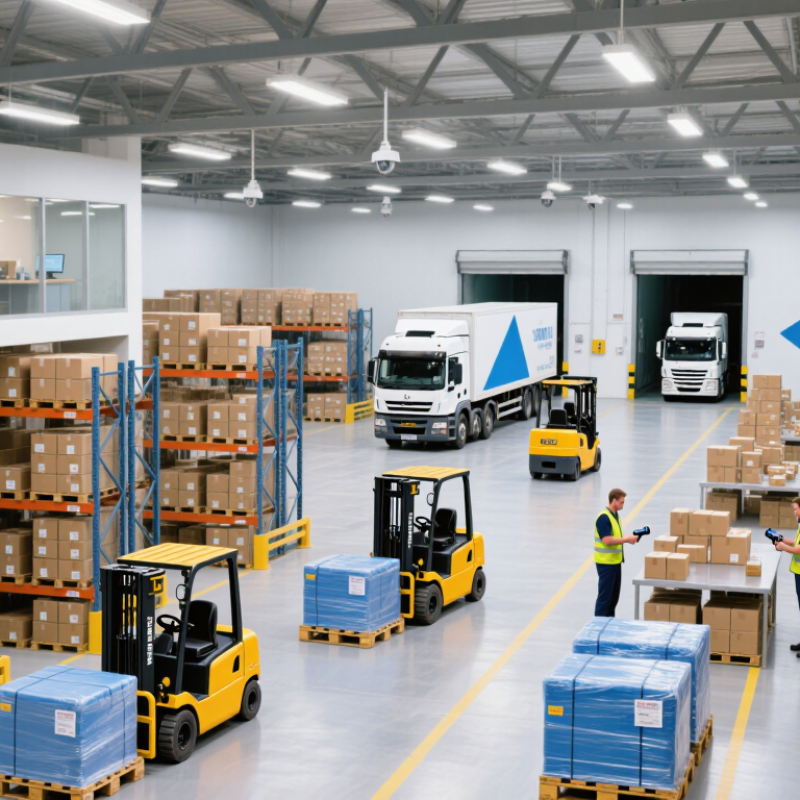
Teesside warehousing services cover more than keeping goods under a roof. A typical operation receives deliveries, checks quantities, records product details, and assigns pallet or shelf locations. Staff can then pick, pack, label, and dispatch orders, or prepare stock for onward transport. For example, a booking-in team may scan cartons at the loading bay and flag damaged packaging before goods enter storage. Small errors matter.

Services may also include stock control, scheduled inventory counts, order tracking, and returns processing. Some facilities offer temperature-managed areas or secure storage, depending on the goods and site capabilities.

The Office for National Statistics reported that internet sales accounted for 26.1% of UK retail sales in December 2024. That figure reflects one month, not a permanent rate, but it illustrates why accurate picking and timely despatch are important.

Buyers should ask providers about order cut-off times, inventory reporting, access arrangements, and how discrepancies are investigated.

Teesside operators may also coordinate inbound freight, cross-docking, container unloading, and delivery appointments. These services can reduce unnecessary handling when stock moves quickly between vehicles.

Still, every transfer creates a chance for delay or miscount. A useful service specification sets out receiving checks, storage conditions, stock-update frequency, and escalation steps.

It should also clarify which tasks are included in the quoted rate; vague wording can cause friction later.

How Goods Move Through a Teesside Warehouse

Goods usually enter a Teesside warehouse by road, with some arriving after a port or rail transfer. At the gate, staff check delivery notes, vehicle details, and visible packaging damage. A pallet with a crushed corner may be photographed and held aside before it is put away. Small checks matter.

Once received, each load is counted and recorded against its paperwork. Workers assign a storage location based on size, handling needs, and expected dispatch time. Forklifts move pallets to marked bays, while smaller cartons may be placed on shelves for picking. Clear aisle labels help, but busy shifts can still create misplaced stock. A quick scan is useful; it is not a substitute for careful handling.

When an order is released, staff collect the required items, check quantities, and prepare them for collection or delivery. Pallets are wrapped, labels are matched to the destination, and the loading team checks the vehicle space before loading. For routes linking Teesside with nearby towns or wider UK distribution, dispatch timing can affect the next handover. Delays happen. A late vehicle or incorrect count can disrupt the plan, so accurate stock records and direct communication remain essential.

Warehousing Options for China–UK Supply Chains

For China–UK supply chains, Teesside can support several warehousing models: port-side storage for imported goods, shared-user space for variable volumes, and dedicated facilities for steady inventory. The right choice depends on cargo type, delivery frequency, and how much stock must remain close to customers. Small detail, big effect: check vehicle access and booking times before committing to a site.

The Department for Transport’s UK Port Freight Statistics 2023 recorded 424.5 million tonnes of freight handled by UK ports. That scale highlights why reliable onward transport and clear stock records matter. For China-origin shipments, a warehouse can receive palletised cargo, inspect packaging, record discrepancies, and release orders in smaller batches. Keep the process visible. A delayed inventory update can leave a customer waiting, even when goods are physically nearby.

Shared-user warehousing may suit seasonal demand, while dedicated space offers tighter control over layout and handling routines. The Chartered Institute of Logistics and Transport’s Logistics Report 2024 discusses persistent workforce and cost pressures across UK logistics; storage plans should allow for both. Ask providers about stock accuracy, security controls, peak-season capacity, and reporting frequency. I would also test the returns process early. It is easy to overlook, and it can become messy.

Key Industries Using Teesside Warehousing

Teesside warehousing supports several industries connecting Chinese suppliers with UK and European markets. Manufacturing businesses often store machine parts, metal components, and packaged equipment near port, road, and rail routes. This location can reduce delivery pressure when production schedules change.

The automotive sector uses warehouses for tyres, interior parts, tools, and service components. These goods need careful stock counting and clean, dry storage. Construction companies may hold insulation, fittings, lighting products, and prefabricated materials before delivery to regional projects. Renewable energy suppliers also require space for cables, mounting systems, and large technical components. Handling plans must match product weight, packaging, and lifting requirements.

Food and consumer goods need different controls. Food-related storage requires documented temperatures, batch tracking, and clear rotation procedures. Retail and e-commerce operators often need flexible shelving, pick-and-pack support, and accurate returns processing. A single warehouse model rarely suits every industry. That assumption causes delays.

Tips: Ask about receiving records, stock visibility, loading equipment, and emergency procedures before choosing a facility. Confirm how staff inspect damaged cartons and report discrepancies. Small errors matter. A missing pallet label can interrupt an entire delivery schedule. Review storage performance regularly, because demand forecasts are useful but never perfect.

How to Choose a Teesside Warehousing Provider

Choosing a Teesside warehousing provider starts with the cargo route, not the advertised price. For China-imported goods, measure driving time from Teesport, rail access, motorway links, and container handling capacity. The 2023 World Bank Logistics Performance Index ranked the United Kingdom 19th globally, with an overall score of 3.7. Local execution still decides whether that performance reaches your stockroom.

Ask providers for recent service data. Check inventory accuracy, receiving time, order cut-off performance, damage rates, and claims handling. A practical warehouse should scan cartons at arrival, photograph visible damage, and update stock within an agreed period. Request three months of anonymised KPI records. Promises are not evidence. The 2024 UK Warehousing Association sector outlook highlighted persistent labour, energy, and capacity pressures, so resilience deserves careful testing. Can the site handle seasonal volume without moving your goods twice?

Visit the facility if possible. Look for clean loading bays, labelled locations, controlled access, fire procedures, and backup power for warehouse systems. Confirm whether the provider manages customs documentation through qualified personnel and follows current UK import requirements. Pricing should separate storage, pallet movements, container unloading, fulfilment, and value-added work. A low pallet rate may hide expensive handling fees. I would also test one small shipment before signing a long contract. It feels slower, but assumptions often fail during the first busy week. Share forecasts, product dimensions, packaging details, and expected returns volumes. A provider that challenges weak data may be more reliable than one that agrees too quickly.

Choosing a Teesside Warehousing Provider: Pallet Footprint Comparison

Compare common pallet footprints when checking warehouse storage capacity and handling compatibility.

A common UK pallet measures 1,200 × 1,000 mm (1.20 m²); a Euro pallet measures 1,200 × 800 mm (0.96 m²). Confirm pallet and racking compatibility with your chosen provider.