Why is High Speed Rail Cargo the Future of Freight Transport?
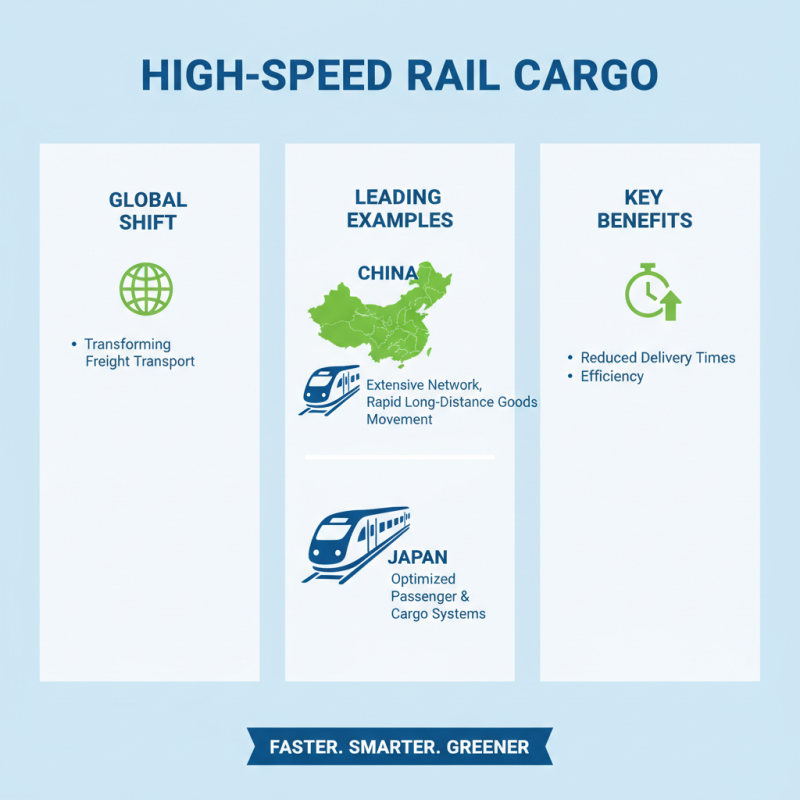
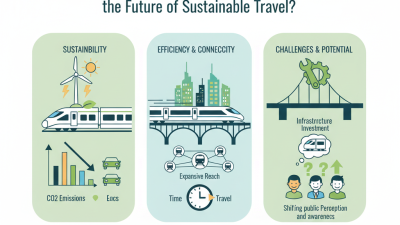
The future of freight transport is changing rapidly. High Speed Rail Cargo is emerging as a viable option. This system offers faster delivery times, reducing delays in supply chains. Imagine cargo being transported across distances in a fraction of the time it takes today.
High Speed Rail Cargo connects cities effectively. It can carry a diverse range of goods. This system may enhance efficiency while cutting down transportation costs. However, challenges remain. Infrastructure investment is necessary to adapt railways for cargo transport. There are also concerns about capacity constraints and operational standards.
Consumers increasingly demand rapid, reliable shipping. High Speed Rail Cargo could meet these expectations. Yet, we must reflect on its sustainability. Is it environmentally friendly in the long run? Balancing speed, cost, and eco-friendliness will be crucial. The journey of transforming freight transport has just begun.
High Speed Rail Cargo: An Overview of Innovative Freight Transport
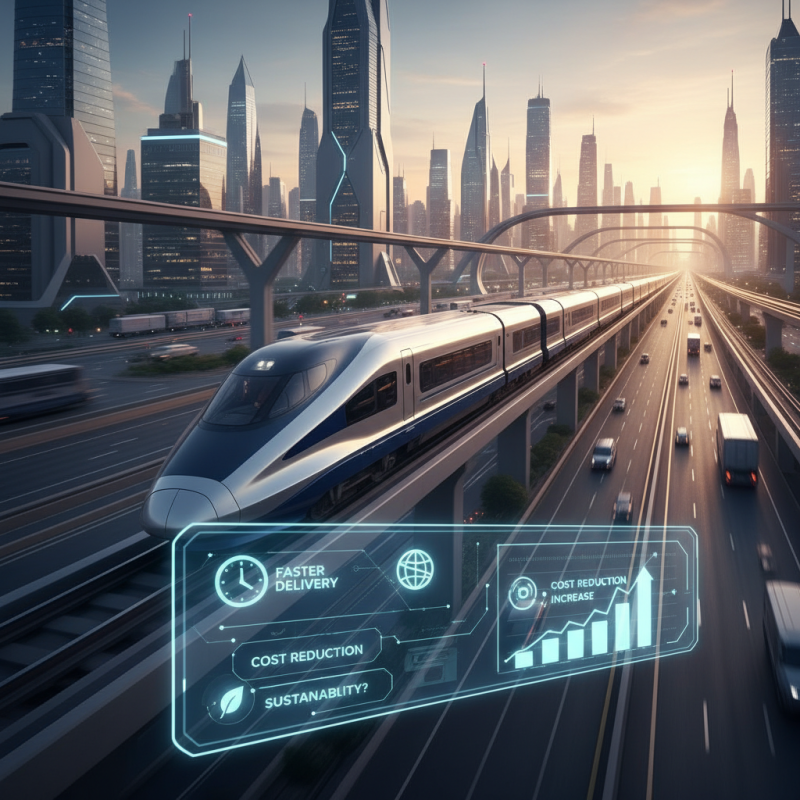
High-Speed Rail (HSR) cargo transport is revolutionizing the logistics industry. With speeds exceeding 200 km/h, it offers swift options for moving goods. Reports suggest that HSR could cut delivery times by up to 50% compared to traditional methods. This efficiency translates into lower operational costs and enhanced supply chain reliability.
However, HSR cargo is not without its challenges. Infrastructure costs remain substantial, and not all regions have the needed rail networks. Furthermore, not all cargo types are suitable for fast rail transport. Perishable goods and time-sensitive materials benefit the most, but heavier items may not suit this system. The current modal share of rail in freight transport is around 10%, highlighting the potential for growth.
Tip: When considering HSR for your logistics, assess your cargo type and delivery urgency. HSR can be a game changer for specific sectors. Maximizing its benefits requires careful planning to match need with capability. Embrace innovation while remaining aware of limitations.
Advantages of High Speed Rail Cargo Over Traditional Freight Methods
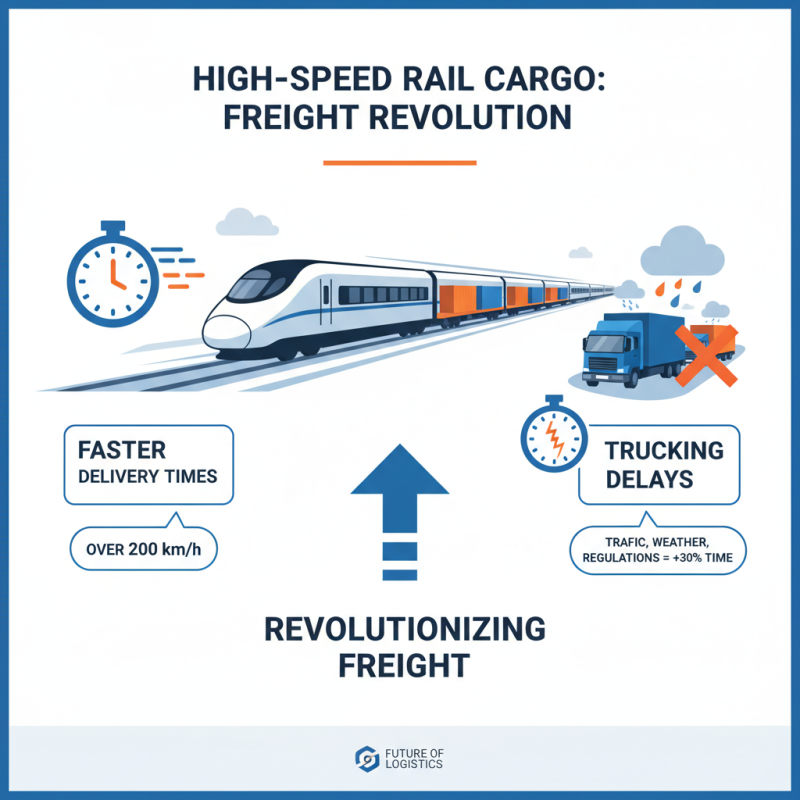
High-speed rail cargo is set to revolutionize the freight industry. This mode of transportation offers remarkable speed, significantly reducing delivery times. In a recent study, high-speed rail can operate at speeds over 200 km/h, making it faster than traditional trucking. Truck shipments often face delays due to traffic, weather conditions, and road regulations, which can extend delivery times by 30% or more.
Moreover, high-speed rail is more environmentally friendly. According to the International Energy Agency, rail transport emits 50% less CO2 per ton-kilometer compared to trucks. As businesses strive for greener logistics solutions, high-speed rail emerges as a viable option. It can transport large quantities of goods across longer distances efficiently, decreasing reliance on fossil fuels.
However, the high-speed rail infrastructure requires substantial investment. Many regions lack the necessary systems to support freight operations. This presents a challenge for immediate implementation. Some companies report difficulties integrating rail solutions with existing supply chains. Despite these hurdles, the potential benefits of high-speed rail cargo remain compelling, making it a focal point for the future of freight transport.
Key Technologies Driving High Speed Rail Cargo Efficiency and Safety
High-speed rail cargo is poised to revolutionize freight transport. Advanced track systems allow trains to travel faster than traditional freight methods. This translates to shorter transit times, which is essential for businesses needing quick deliveries. Enhanced loading and unloading technologies further improve efficiency, reducing downtime at terminals.
Moreover, real-time tracking systems are integral to this new era. They provide accurate updates on cargo status and location. Such transparency builds trust and optimizes supply chain management. Yet, challenges remain. Adopting these technologies requires significant investment and training. There are still questions about scalability for larger freight volumes, which require careful planning.
Safety mechanisms are also critical. Improved braking systems and enhanced structural integrity of cargo trains mitigate risks during transit. These innovations can help prevent accidents, though vulnerabilities still exist. Ensuring that technology keeps pace with operational demands is vital for ongoing progress in high-speed rail cargo.
High Speed Rail Cargo Efficiency Over the Years
This chart illustrates the improvement in cargo efficiency of high-speed rail transport from 2015 to 2023. The efficiency metrics are expressed in tons per kilometer, showcasing the growing effectiveness of high-speed rail systems in freight transport.
Environmental Impact of High Speed Rail Cargo in Reducing Emissions
High-speed rail cargo has gained attention for its potential to reduce environmental harm. Traditional freight transport methods, like trucking and shipping, contribute significantly to greenhouse gas emissions. In contrast, high-speed rail offers a more efficient alternative. Trains can move large quantities of goods quickly, using less energy per ton-mile than trucks. This technology could lead to a substantial decrease in emissions related to freight.
Moreover, the construction and operation of high-speed rail lines can have mixed environmental impacts. While they promote cleaner transport, they often require significant land use and resources. It's crucial to balance these factors. As communities embrace rail cargo systems, they must also address the potential disruption to local ecosystems.
Despite its advantages, high-speed rail cargo is not a perfect solution. Infrastructure investments can be hefty and time-consuming. There are also disparities in regional access to rail networks. To make high-speed rail a staple of freight transport, ongoing dialogue and innovative approaches are necessary. Addressing these challenges will be essential for maximizing environmental benefits.
Why is High Speed Rail Cargo the Future of Freight Transport? - Environmental Impact of High Speed Rail Cargo in Reducing Emissions
| Year |
CO2 Emissions (kg/ton-km) |
% Reduction from Traditional Freight |
Energy Consumption (MJ/ton-km) |
Modal Share (%) |
| 2020 |
16.5 |
20% |
4.2 |
15% |
| 2021 |
15.8 |
22% |
4.0 |
18% |
| 2022 |
15.2 |
25% |
3.8 |
20% |
| 2023 |
14.5 |
28% |
3.6 |
22% |