What is Hydrogen Freight Train and How Does it Work?
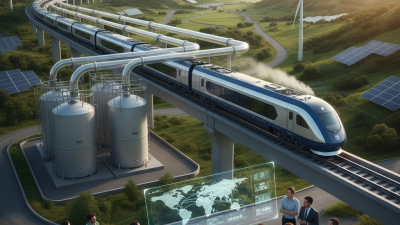
The Hydrogen Freight Train represents a significant shift in freight transportation. As the world seeks sustainable solutions, these trains offer a cleaner alternative to diesel-powered locomotives. Hydrogen fuel cells generate electricity through a chemical reaction, providing an eco-friendly power source.
This technology is not without its challenges. The infrastructure for hydrogen production and distribution needs substantial investment. Additionally, safety concerns regarding hydrogen handling remain a topic of discussion. Yet, many experts believe that overcoming these hurdles is essential for a greener future.
The potential benefits of the Hydrogen Freight Train are immense. It can reduce carbon emissions while maintaining operational efficiency. Major rail companies are already exploring this innovative technology. With continued research and development, hydrogen trains could redefine freight transport in the coming years.
Understanding Hydrogen as a Fuel Source for Freight Trains
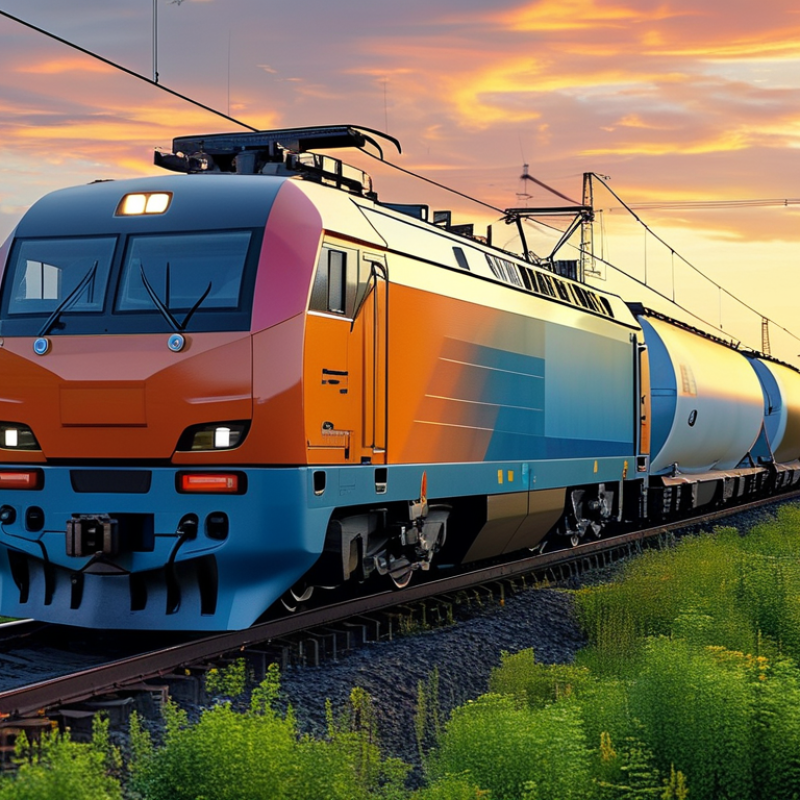
Hydrogen has emerged as a promising alternative fuel source for freight trains. Traditionally reliant on diesel, the transportation sector is now exploring hydrogen's potential. This shift holds the promise of reducing emissions and enhancing efficiency. Hydrogen fuel cells generate electricity, powering trains without combustion emissions. This innovative approach can significantly lower the carbon footprint of freight transport.
Hydrogen can be produced from various sources, including water and natural gas. However, the sustainability of hydrogen production is crucial. Not all hydrogen is created equal. To minimize environmental impact, focus on green hydrogen produced using renewable energy. This method needs further development and investment.
Infrastructure poses another challenge. Establishing hydrogen refueling stations along rail lines is essential. This requires collaboration among industry players and governments. While hydrogen fuel trains offer great potential, they also prompt reflection on logistical complexities. The future of hydrogen in freight transport is exciting, yet demands critical evaluation and strategic planning.
Components of a Hydrogen Freight Train and Their Functions
Hydrogen freight trains are an innovative approach to sustainable transportation. Their components play a crucial role in their operation. At the heart of these trains is the hydrogen fuel cell. This cell converts hydrogen into electricity. A chemical reaction takes place, producing only water vapor as a byproduct. This makes hydrogen trains environmentally friendly.
Another important component is the hydrogen storage system. It stores the hydrogen under high pressure. This allows for efficient fuel delivery. Proper insulation and safety measures ensure that the hydrogen stays secure. The train's drive system is also essential. It includes electric motors that provide the necessary power for propulsion.
Despite the advantages, there are challenges. Hydrogen production can be energy-intensive. Infrastructure for refueling is not yet widespread. There is also the concern of ensuring safe handling of hydrogen. These factors can hinder widespread adoption. Addressing these issues is vital for the future of hydrogen freight trains.
The Mechanism of Hydrogen Fuel Cells in Train Operation
Hydrogen freight trains represent a significant innovation in rail transport. These trains utilize hydrogen fuel cells, which convert hydrogen gas into electricity. This process generates power while emitting only water vapor as a byproduct. The focus on hydrogen offers a cleaner alternative to diesel engines, aiming to reduce carbon emissions in the transport sector.
Fuel cells function by combining hydrogen with oxygen from the air. Inside the fuel cell, a chemical reaction occurs, producing electricity and heat. This electricity powers electric motors connected to the train’s wheels. The design is efficient, but challenges remain. Infrastructure for hydrogen production and refueling is still under development. Hydrogen storage on trains also raises concerns regarding safety and space.
Despite these challenges, the potential is tremendous. Hydrogen trains can travel long distances without the pollution associated with fossil fuels. They could reshape how we think about freight transportation. The ongoing research and development could enhance performance and safety measures. However, stakeholders need to navigate technical and logistical hurdles carefully.
Hydrogen Freight Train Operation Data
| Parameter |
Value |
| Max Speed |
120 km/h |
| Power Output |
600 kW |
| Range per Hydrogen Fill |
600 km |
| Fuel Cell Efficiency |
50-60% |
| Hydrogen Storage Capacity |
200 kg |
| Emissions |
Zero |
| Refueling Time |
15 minutes |
Advantages of Hydrogen Freight Trains Over Traditional Options
Hydrogen freight trains are revolutionizing the transportation sector. They offer numerous benefits over traditional diesel engines. One major advantage is their environmental impact. Hydrogen trains emit only water vapor, making them a cleaner alternative. This helps to reduce greenhouse gas emissions significantly. As countries strive for sustainability, hydrogen solutions align with their goals.
Moreover, hydrogen freight trains have lower operational costs in the long run. Fueling with hydrogen can be cheaper than diesel, especially as technology advances. Maintenance costs are also often lower. Hydrogen systems have fewer moving parts, which can lead to decreased wear and tear. However, building the necessary infrastructure still presents challenges.
Hydrogen trains provide flexibility in train routes. They can be deployed where electrification is impractical. In areas without electric lines, hydrogen becomes an appealing option. While the technology is promising, there remains a need for further development. There are still unanswered questions about storage and distribution logistics. Continued investment and research are essential to overcome these hurdles.
Hydrogen Freight Train Efficiency Comparison
This chart illustrates the average CO2 emissions per kilometer for different freight train types. Hydrogen freight trains show a significant reduction in emissions compared to traditional diesel options, highlighting their environmental advantages in freight transport.
Challenges and Future Prospects of Hydrogen Freight Train Technology
Hydrogen freight trains represent a transformative shift in the domain of rail transport. However, the technology is not without its challenges. According to the International Energy Agency, hydrogen production and infrastructure development lag behind traditional fossil fuels. This affects the feasibility of widespread adoption. As of 2022, only 10% of rail networks are compatible with hydrogen technology.
One significant obstacle is the production of green hydrogen. Currently, around 95% of hydrogen is produced from fossil fuels, contributing to greenhouse gas emissions. Moreover, fuel cell efficiency remains an area for improvement. Today's fuel cells convert only about 60% of hydrogen energy into usable power. This efficiency must increase to make hydrogen freight trains truly viable.
Another concern is the investment required for infrastructure. Building hydrogen refueling stations along rail networks demands substantial capital. The European Union is pushing for a 25% reduction in CO2 emissions by 2030, which means urgent action is necessary. Stakeholders must collaborate to meet these targets. It is essential for regulators and businesses to align on standards, making hydrogen a competitive option. Only then can the true potential of hydrogen freight trains be realized.