What is an Intermodal Train Station and How Does it Work?
An Intermodal Train Station serves as a crucial hub for transporting goods and passengers. It connects various modes of transportation, including rail, road, and sometimes air. This integration optimizes logistics and reduces transit times. However, many people may not fully understand its complexity.
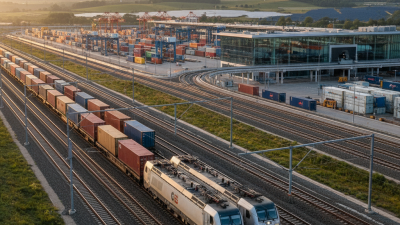
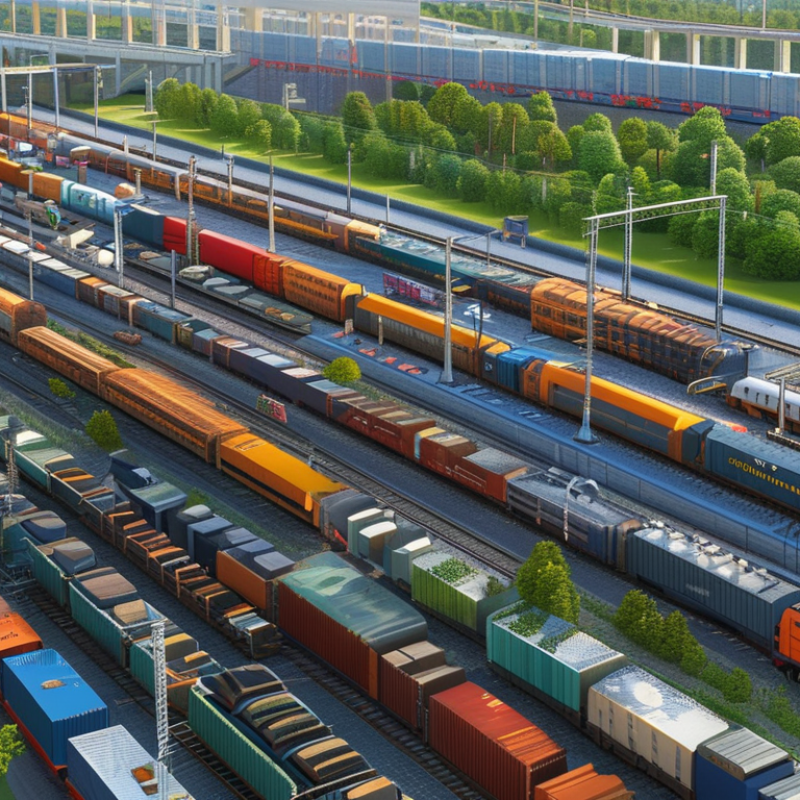
At an Intermodal Train Station, trains arrive and depart regularly. Trucks are parked nearby, ready to load or unload cargo. Each section is designed for efficiency. This setup aims to streamline the transfer of containers and passengers. Operational challenges can arise, affecting the station's efficiency. Delays may occur, leading to logistical issues that need reflection and improvement.
The concept involves various stakeholders. Rail companies, trucking firms, and local authorities all play a role. Each party must coordinate effectively to ensure smooth operations. Understanding this interplay highlights the importance of an Intermodal Train Station in modern transportation. As urbanization grows, these stations will likely play an even larger role in our daily lives.
What is an Intermodal Train Station?
An intermodal train station is a facility where different modes of transport converge. This includes trains, buses, trucks, and even bicycles. These stations enhance the efficiency of transporting goods and people. The design prioritizes smooth transitions between transport types. Passengers can easily switch from a train to a bus without hassle.
The operation of an intermodal station depends on coordination. Timely connections between trains and buses reduce waiting times. Signage plays a crucial role in guiding travelers. However, these stations can sometimes become crowded. Delays and logistical challenges may arise unexpectedly. Some travelers experience confusion due to unclear directions.
An ideal intermodal station should prioritize user experience. It should have amenities like waiting areas and cafes. This creates a comfortable environment for passengers. Yet, even with perfect planning, unforeseen issues can occur. Consistent feedback is vital for continuous improvement. Operators should always strive to adapt and enhance service.
The Components of an Intermodal Train Station
Intermodal train stations serve as critical hubs in the logistics and transportation sector. These stations facilitate the seamless transfer of cargo between different modes of transport—trains, trucks, and ships. A vital component of such stations is the loading and unloading area. Here, containers are efficiently transferred using cranes and other equipment. Data from the International Association of Railroads indicates that intermodal transport can reduce greenhouse gas emissions by up to 45% compared to road-only transport.
Another essential element is the storage yard. This area manages inbound and outbound containers, helping to track inventory accurately. The use of automated systems enhances efficiency, but it also requires ongoing maintenance. A report by the Federal Railroad Administration highlights that nearly 30% of intermodal operations face delays due to equipment issues. This statistic underscores the need for regular updates and repairs.
Tip: Always monitor container status in real-time for better efficiency.
Additionally, customer service areas play a role in intermodal stations. These spaces facilitate communication between shippers and logistics providers. Inadequate service can lead to mishaps, affecting customer trust and partnerships. There is significant room for improvement in training staff to handle queries and issues effectively.
Tip: Invest in training programs to empower your workforce.
Intermodal Train Station Components
How Intermodal Train Stations Enhance Cargo Efficiency
Intermodal train stations play a vital role in modern logistics. They serve as critical hubs where multiple modes of transport meet. Cargo transfers occur smoothly between trains, trucks, and ships. This integration enhances the speed and efficiency of moving goods across long distances. Each hub is strategically located near highways and airports, allowing for easy access.
The efficiency of intermodal train stations significantly reduces transportation costs. They streamline loading and unloading processes, minimizing delays. Workers can quickly transfer containers, optimizing delivery times. In some cases, however, facilities may struggle with space or equipment limitations. This can lead to bottlenecks during peak times, hindering efficiency.
Moreover, sustainable practices at intermodal stations contribute to reducing carbon footprints. Using trains, which generally emit less CO2 per ton-mile than trucks, highlights this benefit. Yet, the reliance on rail can sometimes complicate logistics. Weather disruptions or maintenance issues can impact schedules. The need for constant improvement in operations is clear. Balancing efficiency with reliability is a challenge for many facilities.
What is an Intermodal Train Station and How Does it Work? - How Intermodal Train Stations Enhance Cargo Efficiency
| Dimension |
Description |
Efficiency Metric |
| Cargo Transfer Time |
Average time taken to transfer cargo between modes |
2 hours |
| Loading Capacity |
Maximum cargo weight handled per train |
500 tons |
| Modal Change Efficiency |
Effectiveness of transferring cargo between different transport modes |
90% |
| Operating Hours |
Daily operational hours for intermodal services |
24 hours |
| Cost Savings |
Reduction in transport costs compared to traditional methods |
15% savings |
The Operational Process of Intermodal Train Stations
Intermodal train stations serve as crucial hubs in modern logistics. They streamline the movement of cargo across different transport modes, such as trains, trucks, and ships. At these stations,
freight containers are efficiently transferred from one vehicle to another. This process minimizes delays and reduces logistical costs.
The operational process begins with the arrival of the train. Once it arrives, cranes and specialized equipment handle the transfer of containers. Workers monitor the loading and unloading to ensure safety and efficiency. It's common for delays to occur during peak times. These can impact overall operations, prompting the need for contingency plans.
Intermodal stations also require careful planning regarding space and resources. The layout must accommodate multiple transport modes to prevent congestion. Communication between different transport providers is essential. However, misunderstandings sometimes arise, leading to missed connections. Continuous feedback and adaptation are vital in this complex environment. Each challenge presents an opportunity to refine processes and enhance overall efficiency.
Benefits of Using Intermodal Train Stations for Transportation
Intermodal train stations serve as crucial hubs for transporting goods and passengers. Their design allows different modes of transport—like trains, buses, and trucks—to work together efficiently. This integration reduces transit times and enhances overall connectivity. Efficient logistics are central to modern economies, making intermodal stations vital for businesses and travelers alike.
Using intermodal train stations offers several key benefits. They optimize loading and unloading processes, minimizing delays. Shippers enjoy lower costs due to consolidated transport options. Convenient transfers between modes reduce unnecessary travel time. However, some stations may struggle with overcrowding during peak hours. This challenge highlights the need for ongoing updates and improvements.
Accessibility is another essential consideration. While many new stations are designed with modern amenities, older ones may lack essential facilities. This variation can impact the travel experience. Despite these issues, intermodal stations remain a strategic choice for enhancing transport efficiency, boosting economic growth, and improving travel experiences.