What is International Cargo and How Does It Impact Global Trade
In the interconnected world of trade, the term "International Cargo" has evolved into a crucial component that drives global commerce. As businesses increasingly rely on global supply chains, understanding the intricacies of international shipping becomes essential. According to Dr. Susan Hemings, an expert in the field of logistics and international trade, "The movement of international cargo not only facilitates the exchange of goods but also fosters economic growth and cultural connections across borders."
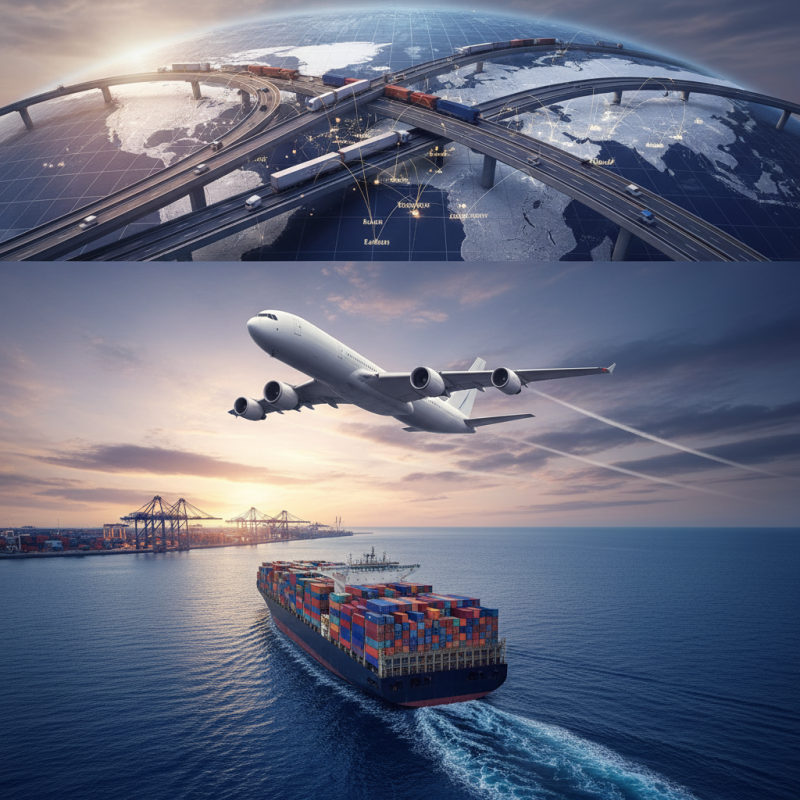
International cargo encompasses the transportation of goods across national boundaries, involving various modalities such as maritime, air, and land freight. The efficiency and reliability of these transportation methods significantly impact global trade dynamics, influencing everything from pricing strategies to market accessibility. As nations lean more on international cargo services, the seamless flow of goods becomes a vital factor in shaping trade relationships and economic policies.
Furthermore, advancements in technology and logistics practices continue to transform the international cargo landscape. Innovations streamline operations, reducing delays and costs, thereby enhancing the overall trade experience. The importance of international cargo cannot be overstated, as it not only underpins the global economy but also plays a pivotal role in connecting societies and cultures through the exchange of goods and services.
Definition of International Cargo and its Types
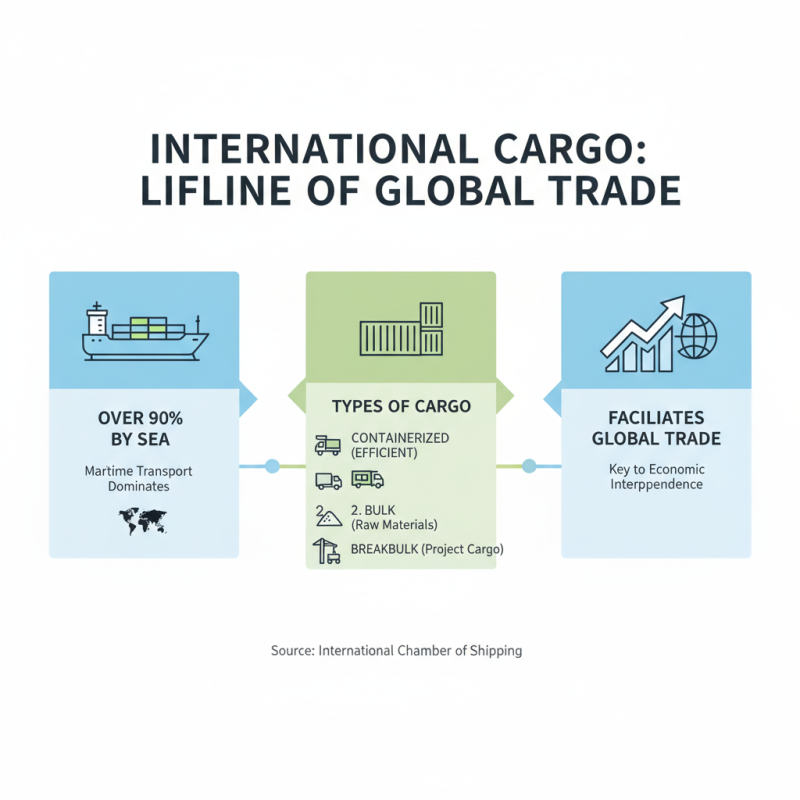
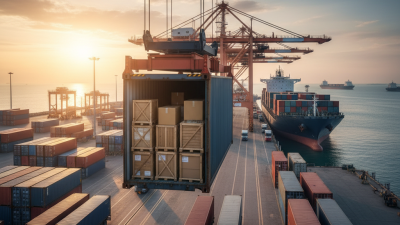
International cargo refers to the transportation of goods across international borders, playing a crucial role in facilitating global trade. It encompasses various types of shipments, including containerized cargo, bulk cargo, and breakbulk cargo. According to the International Chamber of Shipping, over 90% of the world’s goods are carried by sea, underlining the significance of maritime transport in the international cargo realm. Containerized cargo, the most common form, is often favored for its efficiency and ability to be easily transferred between different modes of transport.
Bulk cargo, which consists of large quantities of goods that are transported without packaging, comes in two main types: liquid bulk, such as oil and chemicals, and dry bulk, including commodities like coal, grain, and minerals. The International Maritime Organization reports that bulk carriers account for a substantial portion of global trade volume, highlighting their impact on market dynamics. Breakbulk cargo, on the other hand, refers to goods that must be loaded individually, often including oversized equipment or machinery. As global trade continues to expand, understanding the types of international cargo and their characteristics is essential for businesses navigating the complexities of the global supply chain.
The Role of International Cargo in Global Trade Dynamics
International cargo plays a crucial role in shaping the dynamics of global trade.
As goods move across borders, they connect markets and create opportunities for businesses to expand their reach. The transportation of international cargo facilitates the exchange of raw materials, finished products, and services between countries, driving economic growth and fostering international relationships. A well-developed logistics network ensures that these products are delivered efficiently, helping to maintain the flow of trade and enhance competitiveness among nations.
Furthermore, the impact of international cargo on global trade extends beyond mere transportation. It influences various aspects, including
supply chain management, pricing strategies, and market accessibility. Businesses can optimize their operations by leveraging international cargo services, allowing them to source materials from different regions and reach diverse markets. This interconnectedness promotes competition, ultimately benefiting consumers through greater choice and lower prices.
Overall, the role of international cargo in global trade dynamics is vital, as it supports not only the movement of goods but also the broader economic development across nations.
Logistics and Transportation Methods for International Cargo
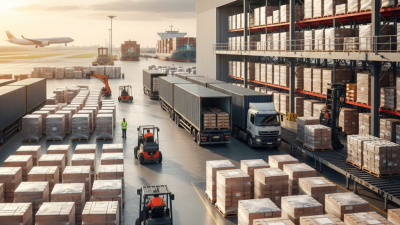
International cargo encompasses the movement of goods across international borders, and its logistics and transportation methods play a crucial role in facilitating global trade. Various transportation modes, including sea freight, air freight, rail, and road, offer distinct advantages and challenges. According to the International Maritime Organization, around 90% of global trade by volume is transported by shipping, underlining the significance of maritime logistics in international cargo movement. With a growing emphasis on efficiency and sustainability, companies are increasingly optimizing their supply chains to reduce costs and enhance delivery speed.
Moreover, air freight has emerged as a vital player, especially for high-value and time-sensitive goods. The International Air Transport Association (IATA) reports that air cargo accounts for approximately 35% of global trade by value, despite representing a smaller share in volume. This disparity indicates the premium nature of air freight services, which are often utilized for electronics, pharmaceuticals, and perishables. The development of comprehensive logistics solutions that incorporate multi-modal transport options also reflects the evolving landscape of international cargo logistics, where seamless integration between different transportation methods is key to meeting modern demands. As e-commerce continues to rise, understanding these logistics frameworks becomes essential for businesses aiming to thrive in the competitive global market.
Regulatory Framework Affecting International Cargo Movements
International cargo movement is influenced significantly by a complex regulatory framework that varies between countries and regions. Regulations such as customs procedures, tariffs, and trade agreements play a crucial role in shaping how goods are transported across borders. According to the World Bank's Logistics Performance Index, countries with streamlined customs processes can reduce cargo transport times by up to 20%, which directly affects global trade efficiency. This emphasizes the importance of understanding local regulations and compliance requirements to ensure timely delivery and cost-effectiveness.
Navigating the regulatory landscape can be daunting for businesses engaged in international trade. One critical area to consider is the Harmonized Commodity Description and Coding System, which standardizes product classifications globally, helping to facilitate trade. Additionally, organizations should be aware of trade agreements, such as the Regional Comprehensive Economic Partnership (RCEP), which can provide preferential treatment and lower tariffs for member countries. Companies that keep a close eye on these regulatory frameworks can capitalize on opportunities for growth and expansion in international markets.
Tips: Always stay informed about updates in international trade regulations to avoid costly delays or penalties. Consider seeking expert advice on customs brokerage services to navigate the complex landscape effectively. Additionally, investing in trade compliance software can help streamline processes and ensure adherence to regulations across different jurisdictions.
Challenges and Opportunities in International Cargo Operations
International cargo operations play a crucial role in facilitating global trade, yet they are not without their challenges. According to the International Air Transport Association (IATA), the global air freight market is expected to grow by 4% annually over the next five years, reflecting an increased demand for timely shipping solutions. However, disruptions such as supply chain bottlenecks and fluctuating fuel prices can significantly impact operations efficiency. For instance, the recent challenges faced during the COVID-19 pandemic highlighted vulnerabilities in the logistics framework, causing delays and increased costs for shipments worldwide.
Despite these challenges, opportunities abound in the realm of international cargo. Companies that invest in technology, such as automated shipping systems and advanced inventory management, can enhance their operational efficiency. A report by McKinsey suggests that digital transformation in logistics could generate up to $1.5 trillion in value, particularly through improved transparency and reduced lead times. Moreover, the emergence of sustainable practices is reshaping the industry, offering businesses a chance to not only mitigate their environmental impact but also attract eco-conscious consumers.
**Tip:** Embrace a data-driven approach to identify inefficiencies in your supply chain. Implementing technologies like IoT can provide real-time insights and help streamline operations.
**Tip:** Consider diversifying shipping routes to mitigate risks associated with geopolitical tensions or natural disasters, ensuring your business remains resilient against unforeseen disruptions.
Impact of International Cargo on Global Trade