What is Multi Echelon Inventory and How Can It Benefit You?
Multi Echelon Inventory (MEI) is emerging as a game changer in supply chain management. Recent studies indicate that companies adopting MEI strategies can reduce inventory costs by up to 30% while improving service levels. As businesses face increasing global competition, optimizing inventory becomes crucial.
According to Dr. Jane Smith, a leading expert in supply chain optimization, "Multi Echelon Inventory provides a structured approach to balancing supply and demand across various levels of the supply chain." This highlights the significance of harnessing MEI to enhance operational efficiency. However, integrating such complex systems is not without challenges. Businesses often struggle with precise data management and cross-departmental communication, which can lead to uninformed decision-making.
Real-world applications show that organizations can achieve remarkable success with MEI. However, they must diligently address the underlying issues to fully leverage its benefits. Amidst the intricacies, the potential for improved inventory visibility and reduced stockouts remains substantial. Adopting a proactive stance on MEI can lead to transformative results but requires commitment from all stakeholders involved.

What is Multi Echelon Inventory Management?
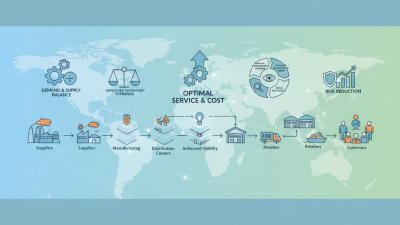
Multi Echelon Inventory Management (MEIM) is a supply chain strategy that optimizes inventory across various levels. It focuses on managing stock across multiple locations, from production facilities to distribution centers. By understanding demand at each echelon, companies can reduce excess inventory and avoid stockouts.
The key to effective MEIM is data-driven decision-making. Analyzing sales trends and forecasts helps businesses align their inventory with customer demand. This often reveals complexities. For instance, what works at one level may not work at another. Adjustments may be needed to achieve optimal balance.
Implementing MEIM can lead to improved service levels and reduced costs. However, organizations may face challenges. Integrating systems across echelons requires significant effort. Teams must collaborate and communicate effectively. This is crucial to ensure successful inventory management. The journey offers learning opportunities, emphasizing the importance of adaptability in today's dynamic market.
Multi Echelon Inventory Management
Key Principles of Multi Echelon Inventory Systems
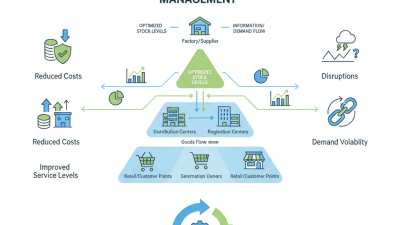
Multi echelon inventory systems are designed to optimize stock levels across various points in supply networks. This approach stands out for its focus on interconnected inventory locations, each serving multiple downstream nodes. By analyzing demand and supply together, businesses can enhance efficiency and responsiveness. Each echelon reacts based on the overall network demand rather than local fluctuations.
Key principles include visibility and collaboration. Real-time data sharing creates insights into inventory positions and movements. This minimizes the risk of stockouts and excess inventory. The reliance on accurate forecasts is necessary, but it's not foolproof. Variability in demand can still disrupt even the best-planned systems. It's important to continually assess the accuracy of predictions and adjust strategies accordingly.
Another crucial principle is balancing costs against service levels. Lower inventory can decrease holding costs but may also impact customer satisfaction. Companies must reflect on their performance and adapt to changing environments. Strengthening relationships with suppliers and customers can provide flexibility, allowing for quicker adjustments. This balancing act is not always straightforward, yet it is vital for effective multi echelon inventory management.
Advantages of Implementing Multi Echelon Inventory Strategies
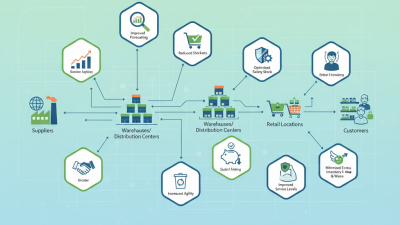
Implementing multi echelon inventory strategies can significantly enhance operational efficiency. One major advantage is improved stock availability. By managing inventory across multiple levels, businesses can respond better to demand fluctuations. This means having the right products in the right places at the right times. It reduces the risk of stockouts and maximizes service levels.
Cost reduction is another key benefit. Multi echelon strategies help to lower holding costs. By optimizing inventory locations, companies can minimize excess stock without sacrificing availability. This results in better cash flow and higher profitability. Different locations can share resources, making the supply chain more resilient. However, these strategies often require sophisticated software and analytics, which might seem overwhelming.
Another advantage is better visibility in the supply chain. Multi echelon systems allow for real-time tracking of inventory levels. This transparency fosters informed decision-making. Yet, not all organizations may have the necessary infrastructure to support this approach. The complexity of implementation can be daunting. Businesses must weigh these benefits against potential challenges carefully. The process is not perfect and may require continuous adjustments.
Challenges in Multi Echelon Inventory Management
Multi Echelon Inventory Management (MEIM) presents numerous challenges. One key issue is inventory visibility across different levels of the supply chain. Research indicates that 70% of supply chain professionals struggle with real-time data gathering. When inventory data lags, decision-making becomes reactive, often leading to stockouts or overstock situations.
Another challenge is the complexity of coordinating multiple locations. Proper forecasting becomes difficult when each echelon operates with different metrics. A survey revealed that companies face a 20% increase in costs due to inefficient inventory management in multi-tiered environments. This can eat into profit margins and hinder growth.
Tips: Use centralized data systems to enhance visibility. This aids in making informed decisions across all inventory echelons. Regular training for staff can improve understanding of inventory dynamics, ensuring everyone is on the same page. Consider scenario planning; this prepares teams for potential stock fluctuations.
Ultimately, addressing these challenges requires strategic oversight. Balancing efficiency and responsiveness is crucial. Regular assessments of inventory practices highlight areas needing improvement, ensuring that businesses stay competitive in their industries.
What is Multi Echelon Inventory and How Can It Benefit You? - Challenges in Multi Echelon Inventory Management
| Dimension |
Description |
Benefits |
Challenges |
| Demand Forecasting |
Predicting product demand across multiple locations based on historical data. |
Improves inventory turnover and reduces stockouts. |
Inaccurate forecasts can lead to excess inventory or shortages. |
| Inventory Optimization |
Strategically positioning inventory to minimize costs and meet service levels. |
Reduces holding costs and improves service levels. |
Complexity in managing multiple warehouse levels can lead to inefficiencies. |
| Lead Time Management |
Managing the time taken for products to be ordered and received. |
Enhances responsiveness to market changes. |
Variation in lead times can disrupt planning and execution. |
| Collaboration |
Working with suppliers and partners to streamline supply chain processes. |
Improves overall supply chain visibility and efficiency. |
Requires alignment of goals and processes among all parties. |
| Technology Integration |
Utilizing software and systems to enhance inventory management. |
Enables better data analysis and real-time inventory monitoring. |
High costs and training needs for new technologies. |
Best Practices for Optimizing Multi Echelon Inventory Levels
Optimizing Multi Echelon Inventory Levels is crucial for efficient supply chain management. Effective inventory control can reduce costs and improve service levels. Start by understanding the unique demand patterns at each echelon. This approach helps in balancing stock levels across all locations. For example, regional distribution centers might need different stock than local stores.
Data analysis plays a key role in this optimization process. Utilize historical sales data to forecast future demand accurately. This ensures that inventory is neither overstocked nor understocked at any level. Regular monitoring is important, as demand can change rapidly. Adjustments should be made promptly to avoid stockouts or excess inventory.
Collaborate with all tiers of your supply chain. Communication can uncover challenges that may not be visible at first. Foster a culture of continuous improvement. Periodically revisit inventory strategies and make adjustments based on performance metrics. Getting it right is complex, but the benefits—reduced waste and increased efficiency—are worth the effort. Enlist input from team members to refine approaches and recognize areas needing attention.