How to Optimize Groupage Transport for Cost Effective Shipping Solutions
In the ever-evolving landscape of global logistics, optimizing shipping solutions is crucial for businesses striving for cost efficiency. Groupage Transport, which involves consolidating smaller shipments into a single container, has emerged as a significant strategy that not only reduces shipping costs but also minimizes the environmental impact associated with transportation. According to a report by the International Transport Forum, utilizing Groupage Transport can decrease transportation costs by up to 30%, making it an attractive choice for companies looking to enhance their supply chain efficiency while maintaining competitive pricing.
As online retail and e-commerce continue to surge, the demand for flexible shipping solutions has never been greater. A recent study from the Council of Supply Chain Management Professionals indicates that 87% of logistics managers believe that optimized transport solutions, including Groupage Transport, are essential for improving overall operational efficiency. By employing effective consolidation techniques, businesses can reduce empty miles and improve load factors, leading to significant savings. In this context, understanding how to optimize Groupage Transport is not only fundamental for reducing costs but also for achieving sustainability goals in shipping practices.

Understanding Groupage Transport and Its Importance in Shipping
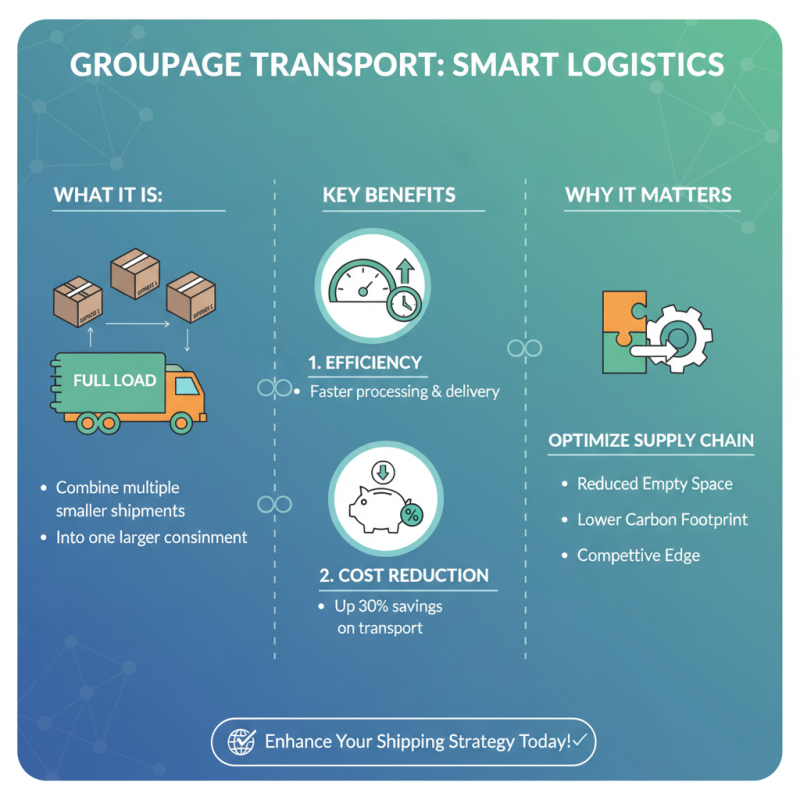
Groupage transport, also known as consolidated shipping, is a crucial component of modern logistics that allows shippers to combine multiple smaller shipments into one larger load. This method not only enhances efficiency in shipping but also significantly cuts costs. According to industry reports, consolidating shipments can lead to a reduction in transportation costs by up to 30%, making it an attractive option for businesses aiming to optimize their supply chain operations. Understanding the mechanics of groupage transport is essential for businesses looking to enhance their shipping strategies and stay competitive in the market.
One of the key benefits of groupage transport is its ability to improve load utilization. Typically, trucks or containers have a fixed capacity; when they transport only one shipment, space is wasted. By allowing multiple goods from different consignees to share the same transport, companies can maximize the use of their shipping resources. This practice not only reduces costs but also minimizes the environmental impact associated with shipping, aligning with the increasingly important sustainability goals.
Tips for optimizing groupage transport include selecting reliable logistics partners who specialize in consolidation services and investing in advanced tracking technologies. Additionally, maintaining open communication with your logistics provider can ensure that load optimization is addressed proactively, allowing for timely adjustments to the shipping plan. By utilizing these strategies, businesses can effectively harness the potential of groupage transport for more economical shipping solutions.
Key Factors Influencing Cost Efficiency in Groupage Transport
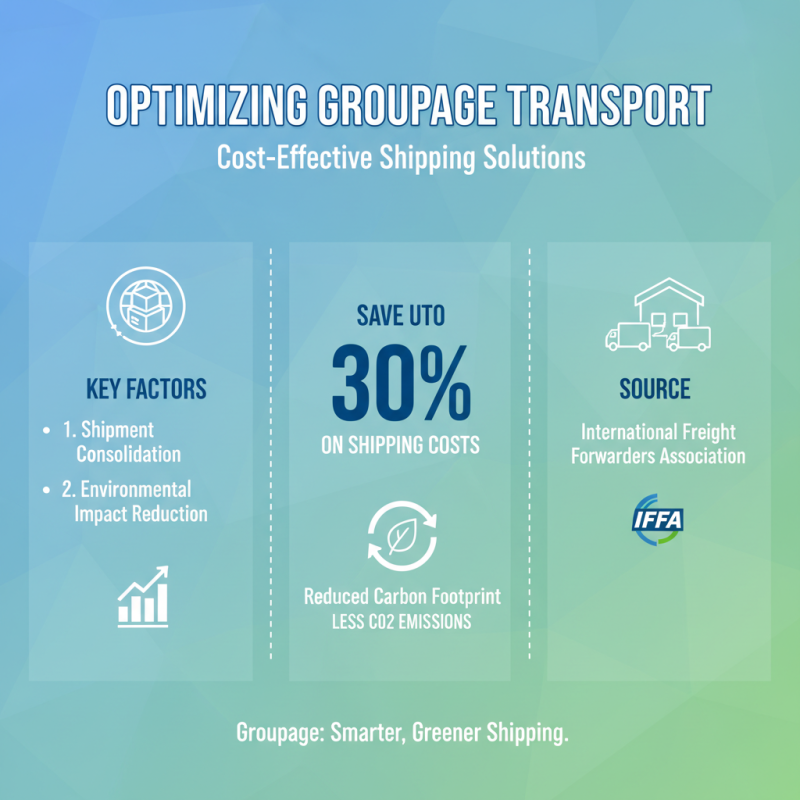
Optimizing groupage transport for cost-effective shipping solutions requires an understanding of several key factors that directly influence cost efficiency. One significant element is the consolidation of shipments. According to data from the International Freight Forwarders Association, businesses can save up to 30% on shipping costs by consolidating smaller shipments into a single larger one. This not only reduces transportation fees but also minimizes the environmental impact by lowering the overall carbon footprint.
Another critical factor is route optimization. A report by the Logistics Management Magazine indicates that optimizing delivery routes can lead to a reduction in fuel costs by as much as 20%. By utilizing advanced software and logistics models, companies can effectively plan their delivery schedules to avoid congestion and reduce transit times. Additionally, employing real-time tracking technologies allows for proactive adjustments to shipping routes, further enhancing cost efficiencies.
Lastly, effective communication and collaboration among stakeholders can dramatically improve the cost-effectiveness of groupage transport. A study conducted by the Council of Supply Chain Management Professionals found that organizations promoting collaborative relationships with suppliers and logistics providers experienced a 15% decrease in logistics costs. Sharing information about capacity, demand, and delivery expectations enhances the overall efficiency of the supply chain, resulting in better planning and reduced operational costs.
Strategies for Optimizing Load Capacity in Groupage Shipments
Optimizing load capacity in groupage shipments is essential for reducing shipping costs and enhancing sustainability. One effective strategy is to employ data analytics to forecast demand and plan shipments accordingly. By analyzing historical shipping data, businesses can identify patterns that allow them to maximize the use of available space. This predictive approach helps in consolidating smaller shipments, reducing excess freight, and ensuring that each shipment utilizes its full potential.
Another critical aspect involves strategic collaboration with logistics partners. By forming strong relationships with freight forwarders and carriers, companies can gain insights into optimal load configurations. This collaboration allows for better planning in terms of loading techniques and routing, ensuring that cargo is arranged efficiently to minimize wasted space. Additionally, adopting flexible loading practices and utilizing modular packaging can significantly enhance load capacity, making it easier to adjust shipments based on variable cargo sizes and shapes.
How to Optimize Groupage Transport for Cost Effective Shipping Solutions
| Strategy |
Description |
Projected Cost Savings (%) |
Load Capacity Enhancement (%) |
| Load Optimization |
Maximize the use of available space in containers and vehicles. |
15% |
25% |
| Consolidation |
Combine shipments from multiple clients to reduce costs. |
20% |
30% |
| Route Optimization |
Plan more efficient routes to minimize distances and delays. |
10% |
20% |
| Frequent Tracking |
Regular updates on cargo status to facilitate timely actions. |
5% |
10% |
| Dynamic Pricing |
Adjust prices based on load factors and demand. |
12% |
15% |
Tips for Selecting the Right Shipping Partners for Groupage Transport
Selecting the right shipping partners for groupage transport is crucial for optimizing cost-effective shipping solutions. According to a report by the International Transport Forum, effective partnerships in logistics can reduce overall transportation costs by up to 15%. When choosing shipping partners, it is essential to evaluate their reliability, track record, and specialization in groupage services. This ensures that your cargo will be handled efficiently and delivered within the expected timelines, ultimately saving you money spent on delays and mishandling.
Additionally, assessing the technological capabilities of potential shipping partners can significantly enhance the shipping process. The Logistics Management Survey indicates that companies utilizing advanced tracking technologies can improve shipment transparency and reduce lost goods incidents by 20%. Therefore, when selecting a shipping partner for groupage transport, prioritize those who offer robust digital tracking systems and real-time updates, as this will not only streamline your operations but also provide peace of mind regarding shipment status. A well-chosen partner will help you maximize the benefits of groupage transport while minimizing unexpected costs.
Best Practices for Tracking and Managing Groupage Shipments Efficiently
 Efficiently managing groupage shipments can significantly enhance the cost effectiveness of shipping solutions. According to a report by the International Freight Forwarders Association, optimizing groupage transport can result in up to 30% savings in shipping costs. To achieve this, companies should focus on implementing robust tracking systems that provide real-time visibility into shipment status, location, and estimated delivery times. By investing in advanced tracking technologies, such as GPS and RFID, businesses can improve operational efficiency and response times, allowing for timely adjustments to their logistics strategies.
Another best practice involves the careful planning of consolidation points and load distribution. A study conducted by the Global Logistics Research Institute indicates that optimal consolidation can reduce transportation costs by 15-20%. By analyzing shipping patterns and utilizing data analytics, companies can maximize load efficiency, minimize waste, and ensure that shipments are organized to prevent delays.
Furthermore, fostering collaboration with logistics partners to share data can lead to improved communication and streamlined processes, ensuring that all stakeholders are informed and ready to act based on the latest shipping information. This proactive management of groupage shipments not only enhances cost effectiveness but also boosts overall service quality.