2025 How to Optimize Intermodal Freight Train Efficiency and Reduce Costs
In the evolving landscape of logistics, the optimization of intermodal freight train efficiency has become a critical focus for industry leaders. According to Dr. Emily Chen, a renowned expert in intermodal transport, "Maximizing the potential of intermodal freight trains is not just about transportation—it’s about integrating technology and analytics to reduce costs while enhancing service quality." This statement underlines the significance of adopting innovative strategies to streamline operations and improve overall efficiency in the intermodal freight train sector.
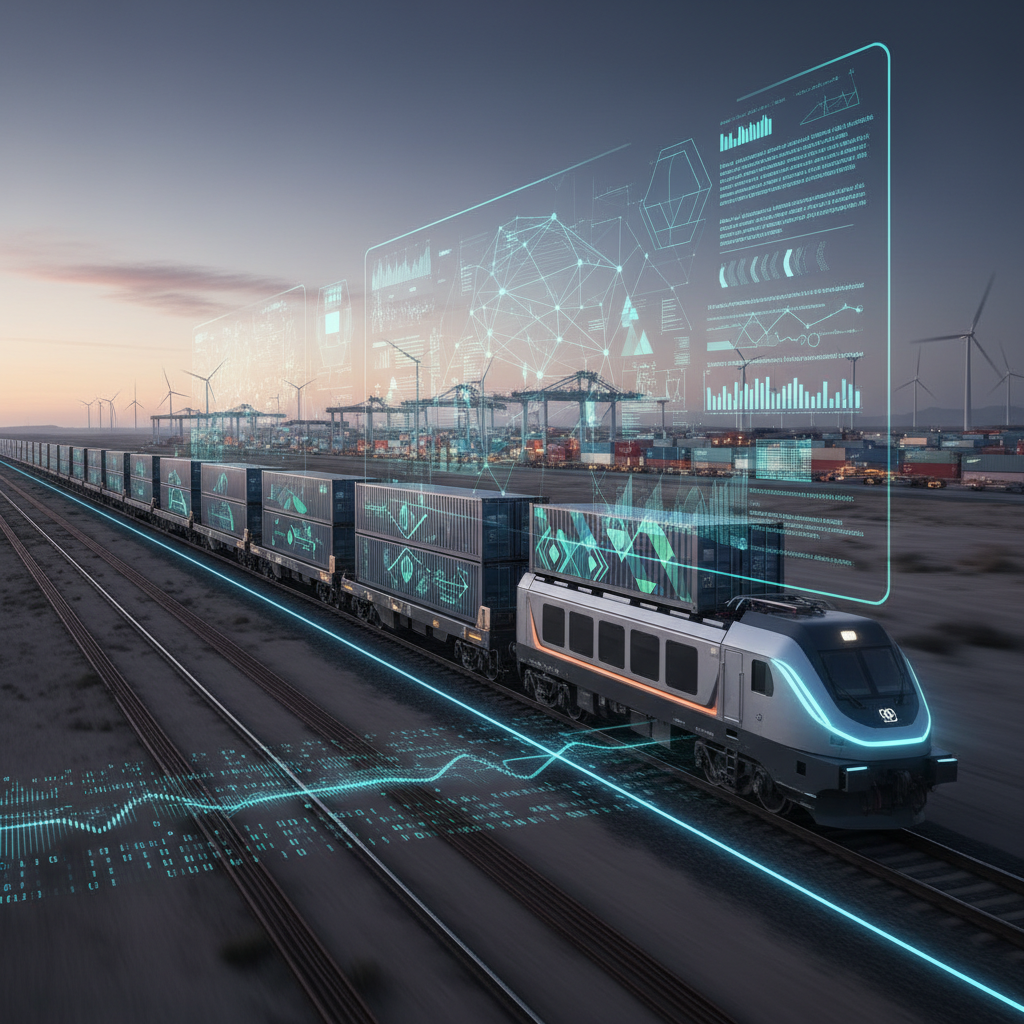
As the demand for sustainable and cost-effective solutions in freight transportation continues to grow, intermodal freight trains play a pivotal role in meeting those needs. By leveraging digital technology and data analytics, companies can identify inefficiencies, enhance load optimization, and ultimately drive down operational costs. The integration of these digital tools will serve as a catalyst for transforming the intermodal freight landscape, leading to improved competitiveness in a globalized market.
In this context, exploring the various approaches to optimize intermodal freight train operations becomes essential. This article will delve into effective strategies for enhancing efficiency, examining real-world examples and expert insights that can guide industry stakeholders in navigating the complexities of modern freight logistics.
Strategies for Enhancing Intermodal Freight Train Coordination and Scheduling Efficiency
Enhancing intermodal freight train coordination and scheduling efficiency is essential for optimizing overall freight transport logistics. One effective strategy is the implementation of advanced technology solutions such as real-time tracking systems and predictive analytics. By utilizing these tools, freight operators can gain visibility into shipment statuses and anticipate potential delays. This proactive approach allows for timely adjustments to schedules and routes, ultimately leading to improved on-time performance and customer satisfaction.
Another key strategy involves fostering stronger collaboration among various stakeholders within the intermodal supply chain. Integrating efforts among rail operators, trucking companies, and port authorities can streamline communication and reduce bottlenecks. Regular coordination meetings and shared platforms for data exchange can significantly enhance operational efficiency. Additionally, adopting standardized scheduling practices can help synchronize movements, minimizing idle time and maximizing asset utilization across different transport modes. By focusing on these strategies, intermodal freight systems can achieve greater efficiency, reduce costs, and meet the growing demands of the logistics industry.
Technological Innovations for Real-Time Tracking and Monitoring in Intermodal Freight
Technological innovations are transforming intermodal freight operations, especially through real-time tracking and monitoring systems. These advancements are paving the way for more efficient management of cargo movement, leading to reduced delays and overall operational costs. In this landscape, the development of smart containers is particularly noteworthy. Equipped with sensors and GPS technology, these containers provide live updates on their location and condition, significantly enhancing supply chain transparency.
In a significant move towards modernization, companies in the intermodal sector are investing in the digitalization of their fleets. For example, a recent partnership aims to upgrade approximately 600 intermodal wagons with advanced digital functions by 2027. This transition is expected to streamline processes, improve asset utilization, and enhance customer service. As the Dutch transport sector also embraces digitalization, the potential for increased efficiency and competitiveness becomes evident, showcasing a promising future where technology drives the intermodal freight industry forward.
Cost-Effective Maintenance Practices for Intermodal Freight Rolling Stock
The intermodal freight industry is undergoing significant transformation, driven by the need for cost-effective maintenance practices. As the global locomotive maintenance market continues to expand, with a projected growth from USD 5.95 billion in 2023 to USD 8.22 billion, companies are recognizing the importance of optimizing maintenance strategies for their rolling stock. Cost-efficient practices not only extend the lifespan of vehicles but also enhance operational efficiency, ultimately reducing overall expenses.
Innovative solutions such as 3D printing are paving the way for railway companies to streamline their maintenance processes. By utilizing additive technologies, operators can produce spare parts on-demand, significantly reducing inventory costs and lead times. Additionally, investments in modern rolling stock, like the recent orders for new flat and bulk wagons, exemplify how modernization strategies can contribute to lower maintenance costs and improve cargo transport efficiency. Embracing these advancements will be vital for intermodal freight operations as they strive to meet the growing demands of the logistics market while minimizing their environmental impact.
2025 How to Optimize Intermodal Freight Train Efficiency and Reduce Costs - Cost-Effective Maintenance Practices for Intermodal Freight Rolling Stock
| Maintenance Practice |
Estimated Cost Savings (%) |
Impact on Downtime (Hours) |
Frequency of Implementation (Times per Year) |
Overall Effectiveness Rating (1-5) |
| Predictive Maintenance |
20% |
5 |
12 |
4.5 |
| Regular Inspections |
15% |
10 |
24 |
4.0 |
| Fuel Efficiency Programs |
10% |
8 |
6 |
3.5 |
| Component Upgrades |
25% |
2 |
3 |
5.0 |
| Training for Crew |
7% |
4 |
1 |
4.2 |
Sustainable Practices for Reducing Environmental Impact in Intermodal Freight Operations
The growing emphasis on sustainability in intermodal freight operations is crucial as the industry faces increasing pressure to minimize its environmental footprint. According to a report by the American Association of Railroads (AAR), intermodal freight transportation generates 45% less greenhouse gas emissions than trucking alone, highlighting its potential as a more eco-friendly alternative. Implementing a combination of sustainable practices, such as optimizing rail schedules and utilizing energy-efficient locomotives, can further enhance operational efficiency while reducing emissions.
Additionally, logistics companies are increasingly investing in technology to monitor and improve fuel efficiency across their fleets. A study by the Environmental Protection Agency (EPA) indicates that advanced route-planning software can reduce fuel consumption by up to 20%. Moreover, integrating electric and alternative fuel vehicles into last-mile delivery operations helps to lessen reliance on fossil fuels. By adopting these sustainable innovations, the intermodal freight sector can not only reduce costs but also align itself with global efforts to combat climate change, ultimately fostering a more sustainable future for freight transport.
Collaborative Partnerships for Improving Supply Chain Visibility and Communication
In the quest to optimize intermodal freight train efficiency, establishing collaborative partnerships is paramount. According to the 2022 Freight Transportation Forecast by the American Association of Railroads, intermodal shipments accounted for nearly 30% of the rail tonnage in the United States, highlighting the growing importance of this mode in the freight landscape. By enhancing supply chain visibility through collaboration, stakeholders can improve tracking and management of their shipments, thereby reducing delays and increasing overall efficiency.
Real-time data sharing between manufacturers, logistics providers, and rail operators can lead to a significant reduction in transit times, which, as per a recent McKinsey report, can lower transportation costs by up to 20%.
Additionally, fostering open lines of communication among partners can aid in proactive problem-solving. Research by the Council of Supply Chain Management Professionals indicates that companies with highly integrated supply chains report 50% fewer supply chain disruptions. By utilizing advanced technologies like IoT and blockchain, these collaborations can ensure a seamless flow of information, leading to better decision-making. As intermodal transport continues to evolve, the emphasis on creating strategic alliances within the supply chain will be crucial for maximizing efficiency and ultimately driving down costs.