How to Optimize Multi Echelon Inventory for Global Supply Chains?
In today's complex global supply chains, optimizing Multi Echelon Inventory is crucial. Companies face challenges in balancing costs and service levels. Effective inventory strategies can lead to improved customer satisfaction and reduced stockouts.
Multi Echelon Inventory involves managing stock across multiple locations. This strategy allows businesses to respond swiftly to customer demands. Yet, many organizations struggle with implementation. They often underestimate the impact of demand variability and lead times.
Mistakes in inventory management can lead to excess stock or shortages. It is essential to analyze data and forecast demand accurately. Companies must also consider collaboration among supply chain partners. Continuous improvement and reflection on the inventory process are necessary for efficiency.
Understanding Multi Echelon Inventory in Global Supply Chains
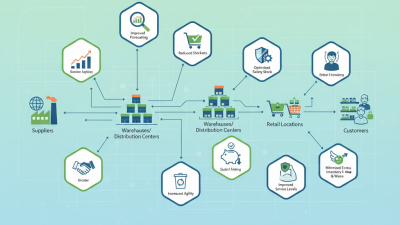
Multi echelon inventory refers to managing inventory across multiple layers in a supply chain. This includes suppliers, manufacturers, warehouses, and distribution centers. Understanding this structure is essential for optimizing inventory levels globally. Each layer must function harmoniously. Misalignment can lead to excess stock or shortages.
Global supply chains often face challenges like demand variability and lead time fluctuations. These issues complicate inventory management. Using advanced analytics can help forecast demand more accurately. Continuous data monitoring can identify trends. This real-time insight allows for timely adjustments in inventory.
However, it's not always perfect. Duplication of efforts can occur when data is siloed. Communication gaps between echelons can lead to inefficiencies. Regularly reflecting on processes helps pinpoint areas for improvement. Adapting strategies based on performance data can enhance overall inventory management.
Balancing efficiency with flexibility is crucial in this dynamic environment.
Key Factors Influencing Multi Echelon Inventory Optimization
Multi echelon inventory optimization is vital for global supply chains. Several key factors influence this process, including demand variability, lead times, and service levels. For instance, research from the Supply Chain Management Review shows that companies can reduce inventory costs by up to 30% through effective multi echelon strategies.
Understanding demand variability is crucial. Accurate forecasting directly impacts inventory levels. Organizations should analyze historical data to identify patterns. Reports indicate that 75% of companies struggle with forecasting accuracy. Regularly updating forecasts can help companies stay agile.
Tip: Invest in advanced analytics tools. These tools can provide insights into demand trends and improve decision-making.
Lead times are equally important. Delays can create excess inventory or stockouts. A study by McKinsey states that improving lead times can enhance customer satisfaction by 20%. Companies need to collaborate closely with suppliers to mitigate any disruptions.
Tip: Implement supplier scorecards. Track performance and address any issues promptly to maintain smooth operations.
Service levels must align with inventory strategies. High service levels often lead to excess stock, while low levels create customer dissatisfaction. A delicate balance is essential. Continuous adjustment of inventory policies based on service performance can provide a roadmap for improvement.
Reflecting on these factors can lead to substantial enhancements in inventory management.
Strategies for Effective Inventory Management Across Multiple Echelons
In today’s global supply chains, effective inventory management across multiple echelons is vital. Companies must focus on visibility across all levels. This means understanding inventory flow from suppliers to retailers. Using real-time data can improve decision-making. However, data overload presents challenges. Businesses need to strike a balance.
Implementing cross-echelon strategies is essential. Collaboration between suppliers, manufacturers, and distributors enhances responsiveness. Sharing demand forecasts can prevent stockouts and overages. Yet, partnerships require trust and commitment. Miscommunication can lead to inventory distortions, wasting resources.
Investing in technology can optimize inventory levels. Advanced analytics help predict trends. However, reliance on algorithms alone is risky. Human insight is crucial. Teams must regularly reassess strategies and adapt to market changes. Embracing flexibility can mitigate disruptions.
Leveraging Technology and Data Analytics for Inventory Optimization
Global supply chains face increasing complexity. To navigate this, leveraging technology and data analytics becomes vital. According to a Gartner survey, 79% of companies believe digital transformation improves supply chain outcomes. By harnessing advanced analytics, organizations can gain insights into inventory levels, demand patterns, and lead times. This enables more accurate decision-making.
Tips: Invest in real-time data tracking. This helps understand stock levels instantly. Use predictive analytics to forecast demand more efficiently. Many companies struggle with integrating systems. A unified platform can streamline processes and enhance communication.
Additionally, data visualization tools can transform raw data into actionable insights. A McKinsey report found that organizations that effectively visualize data saw a 25% improvement in decision-making speed. Despite these advancements, some companies still underestimate the importance of continuous improvement. Technology should support iterative learning and adaptability in inventory processes.
Tips: Regularly assess the effectiveness of your tools. Gather feedback from staff on usability. Focusing solely on technology might overlook human factors. Balancing these elements leads to a more resilient supply chain.
Best Practices for Continuous Improvement in Multi Echelon Inventory Systems
Optimizing multi-echelon inventory systems is critical for efficient global supply chains. Research shows that companies optimizing these systems can reduce inventory carrying costs by 20% to 30%. This substantial reduction is vital in today’s fast-paced market. Accurate demand forecasting becomes essential in managing stock levels across various echelons.
Implementing advanced analytics tools can enhance decision-making. These tools analyze historical sales data, providing insights into demand patterns. Around 85% of organizations now leverage data analytics for inventory management. However, not every company embraces this shift. Poor data quality often leads to misleading forecasts. Addressing this issue requires ongoing training for staff and consistent data audits.
Collaboration also plays a significant role in continuous improvement. Sharing information between suppliers and distributors fosters a more responsive supply chain. Industry reports highlight that stronger collaboration can lead to inventory reductions of up to 15%. Yet, many firms struggle with trust issues. Without transparency, the potential gains may remain unrealized. Reflecting on these challenges can lead to better strategies and more effective inventory management practices.