What is Railway Freight and How Does it Impact Transportation?
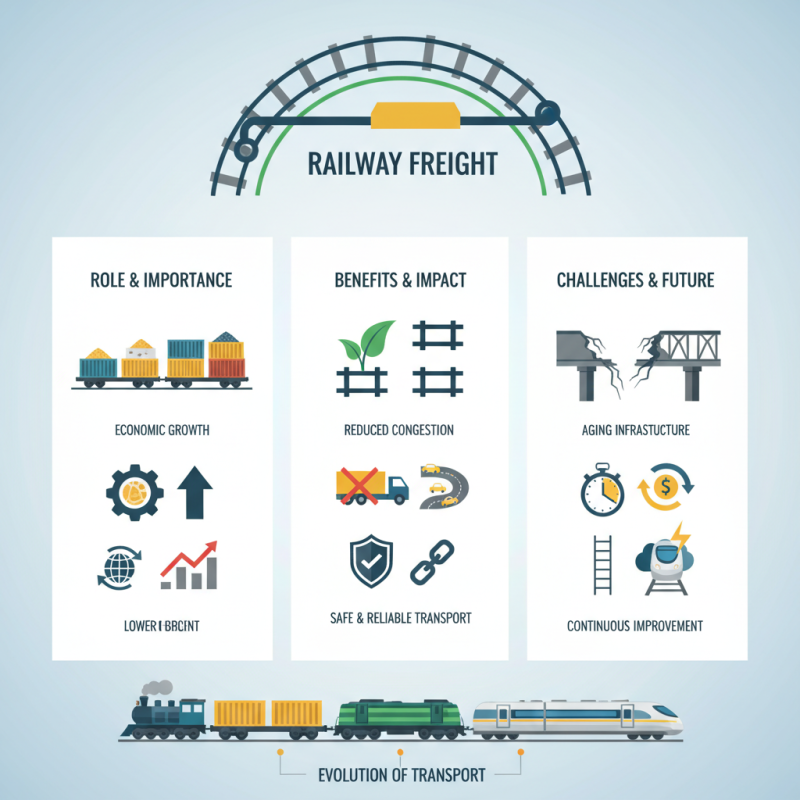
Railway Freight plays a crucial role in modern transportation. It is essential for moving goods efficiently across vast distances. According to Dr. Sarah Thompson, a leading expert in logistics, “Railway Freight is the backbone of supply chains, driving economic growth.” Her insights highlight the importance of this mode of transport in our global economy.
Railway Freight systems facilitate the safe and reliable transport of various materials. This includes bulk goods, consumer products, and industrial supplies. The impact of efficient railway systems is significant. They reduce congestion on roads and lower carbon emissions, contributing to environmental sustainability. Observing these trends, we see the necessity for a robust railway network.
However, the sector faces challenges. Aging infrastructure and competition from other transport modes pose ongoing issues. Continuous improvements are vital for sustaining this critical industry. Balancing efficiency and cost-effectiveness remains a topic for discussion. As the landscape shifts, stakeholders must adapt to ensure Railway Freight evolves with future demands.
Definition of Railway Freight and Its Types
Railway freight is a vital component of global transportation. It refers to the long-distance movement of goods via trains. Various types of railway freight exist, including bulk cargo, containerized freight, and intermodal transportation. These categories cater to different needs in the shipping industry.
Bulk cargo often includes raw materials like coal, grains, and minerals. According to the International Transport Forum, rail transport accounts for around 20% of global freight, emphasizing its essential role.
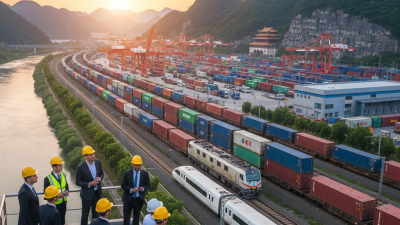
Containerized freight, which involves shipping goods in standardized containers, is growing rapidly. In 2021, over 80% of world trade by volume was carried in containers, highlighting the efficiency of rail transport in logistics.
Intermodal transportation utilizes multiple modes of transport. It leverages the efficiency of rail for long distances while utilizing trucks for the last mile. However, challenges include varying regulations and infrastructure issues. A report by the World Bank mentions that approximately 40% of freight transport infrastructure is underdeveloped in many regions, impacting overall efficiency.
Understanding the types and implications of railway freight is crucial for optimizing supply chains and enhancing connectivity.
Historical Development of Railway Freight Transportation
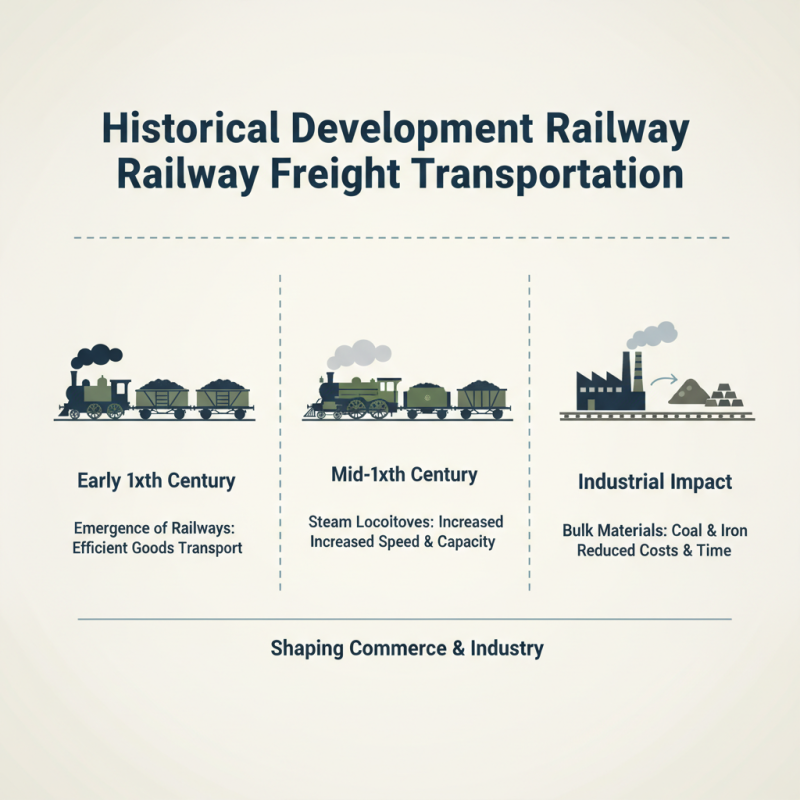
The historical development of railway freight transportation showcases its vital role in shaping commerce. In the early 19th century, railways emerged as an efficient means for transporting goods. Steam locomotives significantly increased speed and capacity. This shift allowed industries to move bulk materials, like coal and iron, reducing costs and time.
Over the decades, railway systems evolved. By the late 1800s, rail networks expanded across continents, connecting remote areas to urban centers. This development promoted trade and economic growth. However, as railway systems grew, so did challenges, such as traffic congestion and outdated infrastructure. There were debates about government regulation versus free-market solutions.
The introduction of containers in the mid-20th century revolutionized railway freight. Standardized containers allowed for easier transfer between ships and trucks. Yet, this also raised concerns over environmental impacts and the displacement of jobs. Reflection on these historical shifts highlights both progress and ongoing challenges in balancing efficiency and sustainability in railway freight transportation.
Advantages of Railway Freight in the Supply Chain
Railway freight is a critical aspect of the supply chain. It offers unique advantages that can significantly enhance transportation efficiency. According to the Association of American Railroads, railroads can transport a ton of freight over 470 miles on just one gallon of fuel. This fuel efficiency is crucial, especially when considering environmental impacts. Reducing carbon emissions is a priority for many industries today.
The cost-effectiveness of railway freight is another compelling advantage. It is generally cheaper than other forms of transportation, especially for long-distance shipments. A 2022 report by the Federal Railroad Administration noted that cargo transported via rail costs approximately 30% less than trucking. This cost-saving potential can improve profit margins for businesses. Companies can allocate resources to other areas, like innovation and customer service.
Despite its benefits, railway freight is not without challenges. Delays due to track maintenance or weather can affect schedules. Furthermore, the availability of service may not match the growing demand for quick deliveries. These issues require ongoing evaluation and adaptation. As supply chains evolve, the railway sector must find solutions to improve reliability while retaining its advantages.
What is Railway Freight and How Does it Impact Transportation? - Advantages of Railway Freight in the Supply Chain
| Dimension |
Data |
| Average Cost per Ton-Mile |
$0.04 |
| Average Rail Freight Volume (2022) |
1.4 Billion Tons |
| Fuel Efficiency (Tons per Gallon) |
480 |
| CO2 Emissions Reduction vs. Trucks |
75% |
| Average Transit Time (Intermodal) |
5 Days |
| Percentage of Freight Moved by Rail |
28% |
| Number of Freight Cars in Operation |
1.5 Million |
Challenges and Limitations of Railway Freight Services
Railway freight services play a vital role in global logistics, yet they face significant hurdles.
One major challenge is the aging infrastructure.
Many rail systems require upgrades to handle modern demands. Insufficient maintenance can lead to delays, impacting delivery schedules.
These delays can frustrate businesses and consumers alike.
Another limitation arises from operational flexibility. Rail networks are often fixed routes, leading to inefficiencies.
For instance, if a shipment needs to reroute, the options may be limited.
This rigidity can hinder the timeliness of deliveries, pushing companies to seek alternative transport methods.
Additionally, regulatory issues can complicate the logistics landscape. Different regions have varying
safety and operational regulations. Compliance can be cumbersome, especially for companies operating across borders.
This can slow down the entire supply chain. Each of these challenges requires careful consideration and innovative solutions to improve railway freight services.
Impact of Railway Freight on Economic and Environmental Factors
Railway freight plays a significant role in the global transportation landscape, impacting both economic and environmental factors. According to the Association of American Railroads, railways can transport one ton of freight over 480 miles using just one gallon of fuel. This efficiency contributes to lower greenhouse gas emissions compared to trucks, which emit nearly three times as much carbon dioxide per ton-mile. However, the impact of railway freight is not without its challenges.
Economically, rail freight supports industries like agriculture, manufacturing, and mining. The Rail Freight Group reported that rail freight contributes about £1.6 billion to the UK economy annually. Yet, investment in infrastructure remains crucial. Aging rail networks need modernization to meet growing demands. This lack of investment can lead to slower service and higher operational costs, which ultimately affect pricing for consumers.
On the environmental front, while rail is more efficient than road transport, issues like noise pollution and land use require ongoing attention. Communities near rail lines often experience disruptions. There is a need for dialogue between stakeholders to address these concerns. Balancing economic benefits with environmental responsibilities is vital for the sustainable development of railway freight.
Impact of Railway Freight on Economic and Environmental Factors