Top Railway Freight Solutions in China for Global Buyers?
In recent years, the Railway Freight industry in China has gained significant attention from global buyers. Experts emphasize the importance of efficient logistics in this sector. Renowned railway freight specialist, Dr. Li Wei, stated, "The development of modern railway freight solutions is crucial for global trade." This highlights the role of railway freight in facilitating international commerce.
China's railway freight solutions have evolved rapidly, integrating advanced technology and expanding capacities. They now provide reliable and cost-effective transportation options for businesses worldwide. However, challenges remain, including infrastructure constraints and operational inefficiencies that require continuous improvement.
As global buyers explore options, understanding these railway freight solutions is vital. Taking the time to analyze different services can yield valuable insights. Effective communication and collaboration with providers will also enhance the overall experience. Therefore, focusing on these aspects leads to a more informed decision-making process in utilizing railway freight.
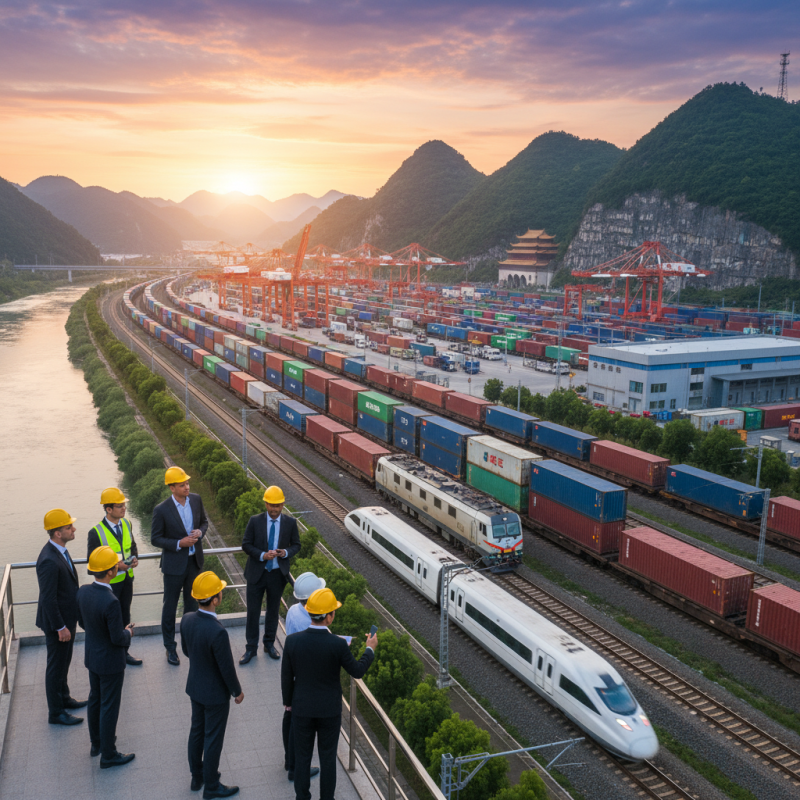
Top Railway Freight Solutions in China for Global Buyers
Railway freight solutions in China have become essential for global buyers. The country's vast network connects major cities and ports, offering a reliable transport option. With the rise of e-commerce, the demand for efficient logistics has increased. Buyers seek affordability and timely deliveries. China’s rail freight services provide both.
A key aspect of these solutions is the flexibility in cargo types. From bulk goods to delicate equipment, rail services accommodate diverse needs. Yet, gaps remain in capacity during peak seasons. Buyers might face delays or unexpected costs. This highlights the importance of strategic planning and data analysis when selecting a freight partner.
Additionally, transparency in tracking shipments is critical. Many companies invest in technology to offer real-time updates. However, not all services are equally reliable. Buyers should evaluate service providers based on past performance and customer reviews. Despite these challenges, China's railway freight solutions remain a viable choice for global logistics.
Top Railway Freight Solutions in China for Global Buyers
| Service Type |
Transit Time (Days) |
Cost (USD per 20ft Container) |
Key Advantages |
| Standard Freight |
10-14 |
1200 |
Reliable service, extensive network |
| Express Freight |
7-9 |
1800 |
Fast delivery, priority handling |
| Bulk Freight |
15-20 |
1000 |
Cost-effective for large shipments |
| Reefer Freight |
10-12 |
2000 |
Temperature control, suitable for perishables |
| Container Service |
12-15 |
1400 |
Flexible cargo types, secure transport |
Overview of China's Railway Freight Industry and Its Growth
China's railway freight industry has experienced remarkable growth in recent years. According to the National Railway Administration, freight volume reached over 4 billion tons in 2020. This represents a significant increase from 3.6 billion tons in 2019. Such expansion highlights the country's emphasis on enhancing logistics efficiency.
The government has also invested heavily in infrastructure. By 2023, China's railway network is expected to exceed 160,000 kilometers. This extensive network facilitates timely and cost-effective transportation. However, businesses must remain aware of regional disparities. Some areas may have limited access to these services.
Tips: When considering railway freight, conduct thorough research on regional capabilities. Understand the specific routes and their potential challenges.
In addressing potential challenges, companies must navigate regulatory complexities. Compliance with local laws is crucial. The increasing demand for sustainable logistics solutions adds another layer of complexity. As the industry shifts towards greener practices, adaptability becomes vital for stakeholders. By prioritizing efficient operations and staying informed, businesses can thrive in China’s dynamic railway freight landscape.
Key Players in China's Railway Freight Market
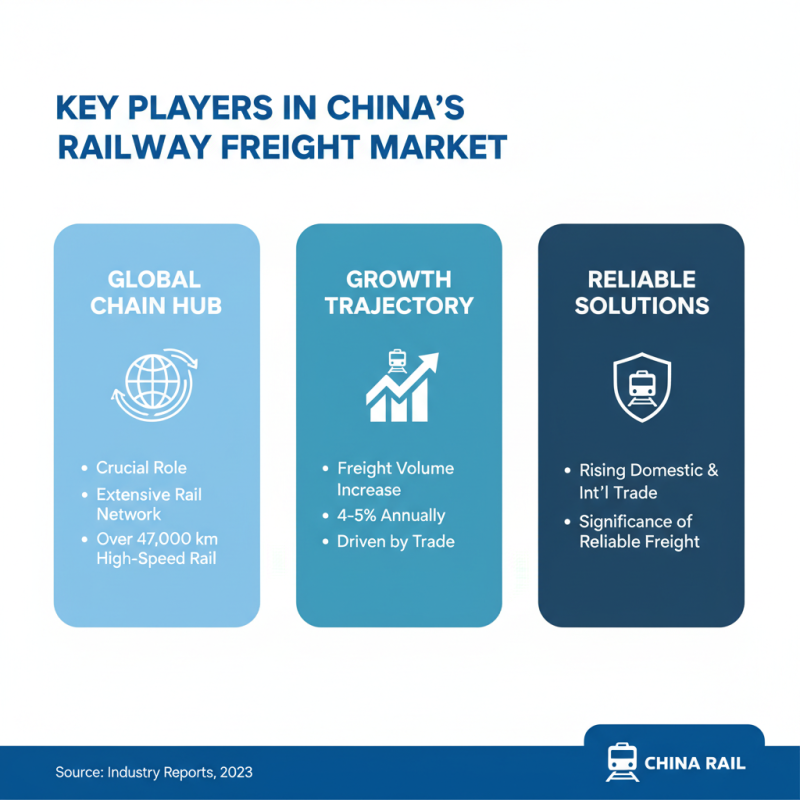
China’s railway freight market plays a crucial role in the global supply chain. The country boasts one of the world’s most extensive rail networks, with over 47,000 kilometers of high-speed rail. Recent reports indicate that railway freight volumes are projected to increase by 4-5% annually, driven by rising domestic and international trade. This trend underlines the significance of reliable freight solutions in China.
Key players in the railway freight sector include state-owned enterprises and joint ventures. These entities leverage advanced technologies for tracking and logistics management. In 2022, railway freight contributed approximately 30% of China’s total freight transportation volume. Additionally, about 60% of goods moved via rail are bulk commodities, including coal and iron ore. The ongoing investment in infrastructure is helping to accommodate greater freight capacities. However, challenges persist. Congestion on critical routes can lead to delays, raising costs for businesses.
Efforts to enhance efficiency are ongoing. Some companies are adopting digital platforms to streamline operations. This transition aims to reduce human error and improve turnaround times. The market must still address issues like fluctuating demand and infrastructure strains. While growth opportunities exist, a reflection on operational challenges is essential for sustained success in the competitive landscape.
Innovative Technologies Enhancing Railway Freight Efficiency
The railway freight sector in China is undergoing a significant transformation.
Innovative technologies are driving efficiency and enhancing service quality.
For instance, the integration of artificial intelligence in logistics management leads to better route planning and
real-time tracking. A recent report from the China Railway Corporation
highlights that AI can reduce operational costs by 15-20%.
Internet of Things (IoT) devices are playing a crucial role as well. They enable constant monitoring of cargo conditions.
This ensures that sensitive goods are transported under optimal conditions. According to industry research, IoT applications
can improve freight accuracy by up to 30%. However, challenges remain.
Many companies struggle to implement these technologies effectively. Technical expertise is often a barrier.
Blockchain is emerging as another key player. It enhances transparency in transactions and reduces paperwork. Yet,
adoption rates are still low among smaller freight companies. A survey found that only 25%
of firms actively use blockchain in their operations. This gap presents an opportunity for future growth.
The railway freight industry must address these implementation hurdles to fully harness technological advancements.
Comparison of Railway Freight Solutions for International Shipping
Railway freight solutions offer significant advantages for global shipping, particularly for those looking to import from China. The speed and efficiency of rail transport can dramatically reduce delivery times compared to maritime options. A typical rail journey from inland cities in China to European destinations takes about 15 to 20 days. This is notably shorter than traditional sea routes, which can take 30 days or more.
However, the landscape of railway freight is not without its challenges. Capacity limitations and operational delays can impact shipping schedules. Buyers must consider potential bottlenecks at rail hubs or terminals. Additionally, discrepancies in customs processes can result in unexpected delays. It’s essential for shippers to maintain open communication with logistics providers to track shipments effectively.
Costs are another factor to weigh. While rail can sometimes offer a competitive edge, fluctuations in pricing based on demand and infrastructure investments can make budgeting difficult. Buyers should conduct thorough research and engage with various logistics professionals to assess the most viable options for their specific needs. Emphasizing robust planning can greatly enhance the benefits of using railway freight solutions.
Top Railway Freight Solutions in China for Global Buyers
Conclusion
The article titled "Top Railway Freight Solutions in China for Global Buyers" provides an insightful overview of the growing railway freight industry in China, highlighting key players and innovative technologies that enhance efficiency. As global demand for effective shipping solutions increases, China's railway freight sector is rapidly evolving, presenting numerous opportunities for international buyers looking to optimize their logistics.
The piece discusses various railway freight solutions available for international shipping, offering a comparative analysis that underscores the strengths and weaknesses of each option. It also addresses the challenges faced by the industry, such as infrastructure limitations and regulatory hurdles, while identifying potential growth opportunities that can be leveraged for better service delivery. Overall, the article serves as a comprehensive guide for global buyers considering railway freight as a viable transport option in their supply chain.