How to Ship International Cargo Effectively and Avoid Common Mistakes
The world of international commerce thrives on the effective movement of goods across borders, making the understanding of international cargo essential for businesses seeking to expand their reach. As Roger Brown, a renowned expert in the international shipping industry, aptly states, "Successful international cargo transportation is not just about logistics; it's about understanding the nuances of customs regulations, shipping documentation, and the dynamics of different markets."
In today's globalized economy, shipping international cargo can offer significant opportunities, but it is often fraught with challenges that can lead to costly mistakes. Businesses must navigate complex customs procedures, adhere to numerous regulations, and carefully select the right shipping methods. By gaining insights into the best practices and common pitfalls in international cargo shipping, companies can enhance their operational efficiency and avoid unnecessary delays and expenses.
Thus, it is crucial for organizations involved in international trade to equip themselves with the knowledge and strategies that will help streamline their shipping processes. Understanding the landscape of international cargo not only reduces the risk of errors but also positions businesses for success in the competitive global market.

Understanding International Shipping Regulations and Compliance
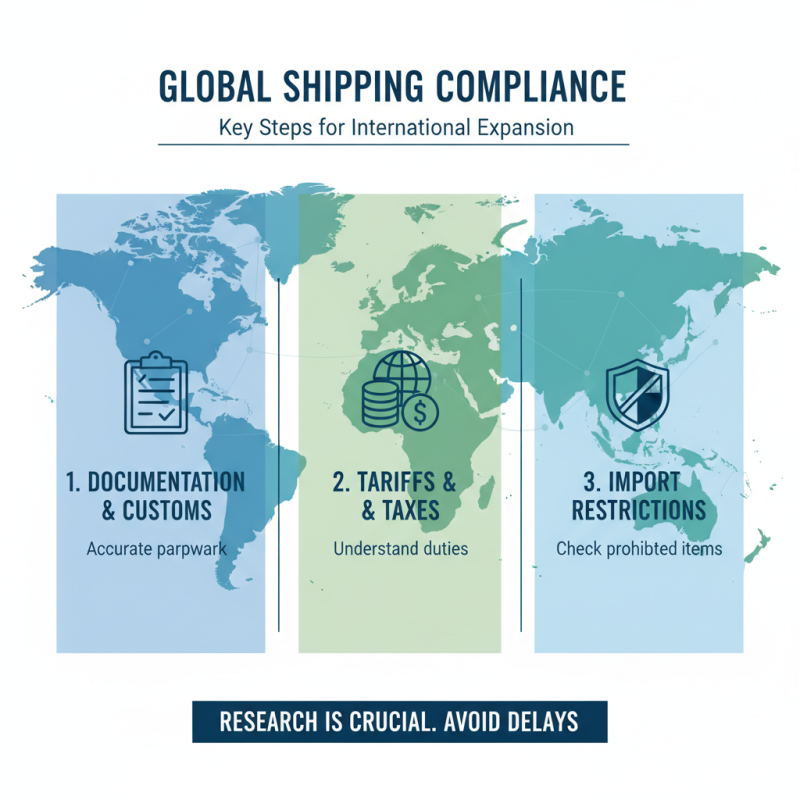
Navigating international shipping regulations is crucial for any business looking to expand its reach beyond local markets. Understanding the specific requirements for different countries helps ensure compliance and avoids potential delays or penalties. Each country has its own rules regarding documentation, tariffs, and import restrictions, which may vary significantly. It is essential to conduct thorough research into the regulations of both the exporting and importing nations, as failure to do so can result in unexpected complications.
Compliance doesn’t only involve adhering to laws and regulations but also entails proper classification of goods, accurate declaration of value, and ensuring that packaging meets the requirements of the destination country. Additionally, understanding the necessary customs documentation—such as commercial invoices, packing lists, and certificates of origin—is vital to smooth transit through customs. Engaging with professionals who specialize in international shipping can provide valuable insights, mitigate risks, and streamline the shipping process, ultimately leading to more successful and efficient international transactions.
Choosing the Right Shipping Method for Your Cargo
Choosing the right shipping method for your international cargo is crucial to ensuring timely deliveries and cost efficiency. Each shipping method—whether air, sea, or land—has its own set of advantages and challenges.
Air freight is typically the fastest option, making it ideal for time-sensitive shipments. However, it can also be more expensive than other methods. On the other hand,
sea freight, while slower, is often more economical for larger volumes of cargo, offering significant savings for bulk shipments.
Evaluating the nature of your cargo, including its size, weight, and urgency, is essential in determining the most suitable transportation mode.
Consideration should also be given to factors such as destination requirements, transit times, and available shipping routes.
For example, if your cargo needs to reach a remote area,
road transport might be the best option, while certain goods may require specialized temperature control during transit.
Additionally, understanding the customs procedures and regulations in both the export and import countries can play a vital role in selecting your shipping method.
This knowledge not only helps to avoid delays but can also prevent costly mistakes that stem from non-compliance with international shipping regulations.
Ultimately, making an informed decision about the shipping method will contribute significantly to the smooth transportation of your cargo.
Packing and Labeling Best Practices for International Shipments
When it comes to shipping international cargo,
proper packing and labeling
are paramount to ensure that shipments arrive safely and on time.
First and foremost, utilizing high-quality packing materials, such as
sturdy boxes
and bubble wrap, can prevent damage during transit.
It’s essential to pack items tightly to minimize movement inside the package,
which can lead to breakage. Additionally, consider using
foam peanuts or air pillows
for extra cushioning on fragile items.
Tips:
- Always weigh and measure your package accurately
to determine shipping costs and avoid delays at customs.
- Make sure to clearly label each package with the
destination address, sender’s information, and any applicable tracking numbers.
This not only facilitates smooth delivery but also helps in case the package gets lost.
Another crucial aspect is to comply with
international shipping regulations.
Ensure that all items are correctly documented and declared to avoid customs complications.
Utilizing waterproof labels can also be beneficial,
as they resist damage from moisture, which can occur during transportation.
Considering these packing and labeling best practices will help streamline your shipping process
and reduce the risk of common pitfalls.
Common Mistakes to Avoid When Shipping Internationally
When shipping cargo internationally, avoiding common pitfalls is essential for a smooth process.
One prevalent mistake is the miscalculation of shipping costs. According to a report from the International Freight Forwarders Association (IFFA), nearly
30% of companies underestimate their shipping expenses, leading to budget overruns and unexpected delays. Ensuring accurate cost
projections involves considering duties, taxes, and possible fees associated with customs clearance. Businesses must also account for fluctuations in freight rates, which can greatly impact overall expenditure.
Another key area of concern is inadequate documentation. A significant number of shipments are delayed because
shippers fail to provide the correct paperwork. The World Trade Organization (WTO) estimates that improper documentation can lead to as much as a
20% increase in transit times. To mitigate this issue, it’s crucial to utilize standardized forms, comply with destination country regulations,
and verify that all required documents, such as bills of lading and commercial invoices, are correctly filled out.
By prioritizing proper documentation and cost assessments, businesses can significantly reduce the likelihood of facing costly and time-consuming hurdles in the international shipping landscape.
Effective Tracking and Communication During Transit
Effective tracking and communication during the transit of international cargo are crucial to ensure smooth operations and minimize delays. One of the primary tools for successful tracking is utilizing advanced technology such as GPS and RFID systems, which allow shippers to monitor the location of their cargo in real-time. This not only enhances visibility but also enables proactive responses to unexpected delays or issues that may arise during transportation. Keeping detailed tracking information accessible to all stakeholders, including freight forwarders, customs brokers, and clients, fosters a collaborative atmosphere and ensures everyone is informed throughout the shipping process.
In addition to real-time tracking, establishing clear communication channels is fundamental to avoid common pitfalls in international shipping. Regular updates regarding cargo status, potential risks, and estimated delivery times can significantly reduce anxiety among clients and stakeholders. It is essential to designate a point of contact for all parties involved, facilitating seamless information sharing. This practice not only builds trust among partners but also allows for the swift resolution of any challenges that may occur, ultimately leading to a more efficient shipping experience. By prioritizing effective tracking and maintaining open lines of communication, shippers can navigate the complexities of international cargo transport more successfully.