What is Teesside Warehousing? Key Benefits and Industry Insights
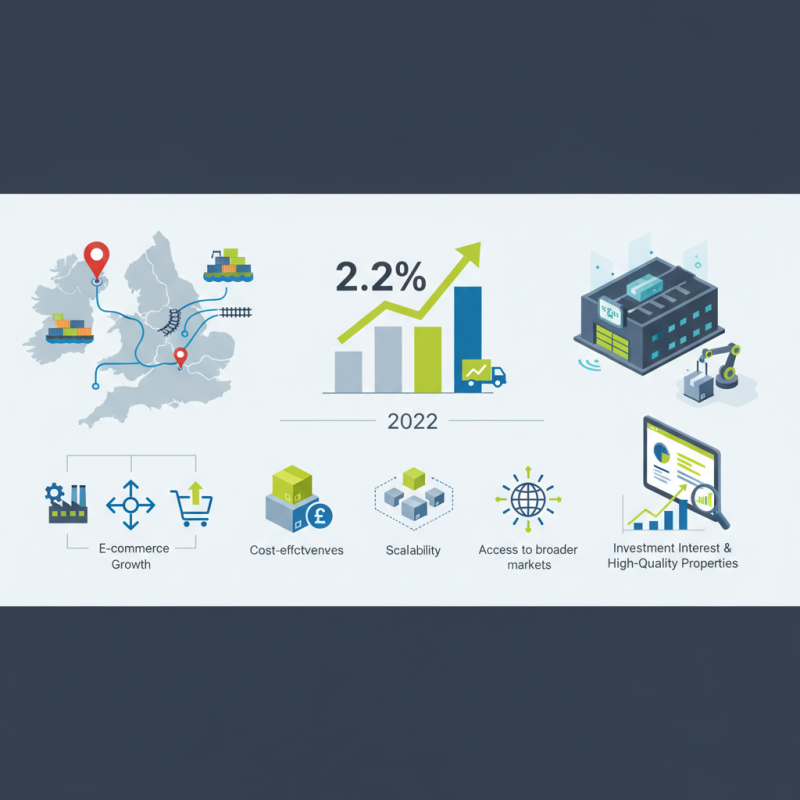
Teesside Warehousing has emerged as a crucial component of the logistics industry, gaining prominence for its strategic location, infrastructure, and services. As the UK market continues to expand, particularly in the wake of the e-commerce boom, the demand for efficient warehousing solutions has increased significantly. According to the UK Warehousing Association, the warehousing sector has experienced a 2.2% growth in 2022, illustrating a robust need for advanced logistics and distribution capabilities.
Situated in the heart of North East England, Teesside benefits not only from proximity to major transport networks but also from a skilled workforce, making it an attractive destination for businesses looking to optimize their supply chain operations. The region's warehousing facilities are equipped with modern technologies that enhance storage capacity and streamline order fulfillment processes. Furthermore, a recent report by CBRE highlighted an upward trend in warehouse rents across the UK, signaling a growing interest among investors in locations like Teesside Warehousing, where high-quality properties can offer substantial returns.
In this landscape, understanding the key benefits of Teesside Warehousing becomes imperative for businesses aiming to leverage the advantages of cost-effectiveness, scalability, and access to broader markets. By exploring industry insights and best practices within this sector, organizations can make informed decisions that align with their logistical requirements and growth strategies.
Definition and Overview of Teesside Warehousing
Teesside warehousing refers to a specialized storage and logistics solution situated in the Teesside region of the United Kingdom. This area has developed into a strategic hub for various industries due to its robust infrastructure, including access to major transport links such as road networks, railways, and nearby ports. Teesside warehousing facilities typically offer dynamic storage options, including temperature-controlled environments, bulk storage, and specialized handling equipment, catering to the diverse needs of businesses operating in sectors like manufacturing, retail, and e-commerce.
The key benefits of Teesside warehousing lie in its geographic advantage and the flexibility it offers. Companies can leverage the proximity to key distribution points, reducing transportation costs and lead times. Additionally, many warehouses in this region are equipped with advanced technology and management systems, enhancing inventory control and logistics efficiency. This strategic positioning, combined with scalable storage solutions, makes Teesside an attractive option for businesses looking to optimize their supply chains while maintaining a competitive edge in the market.
Key Benefits of Teesside Warehousing for Businesses
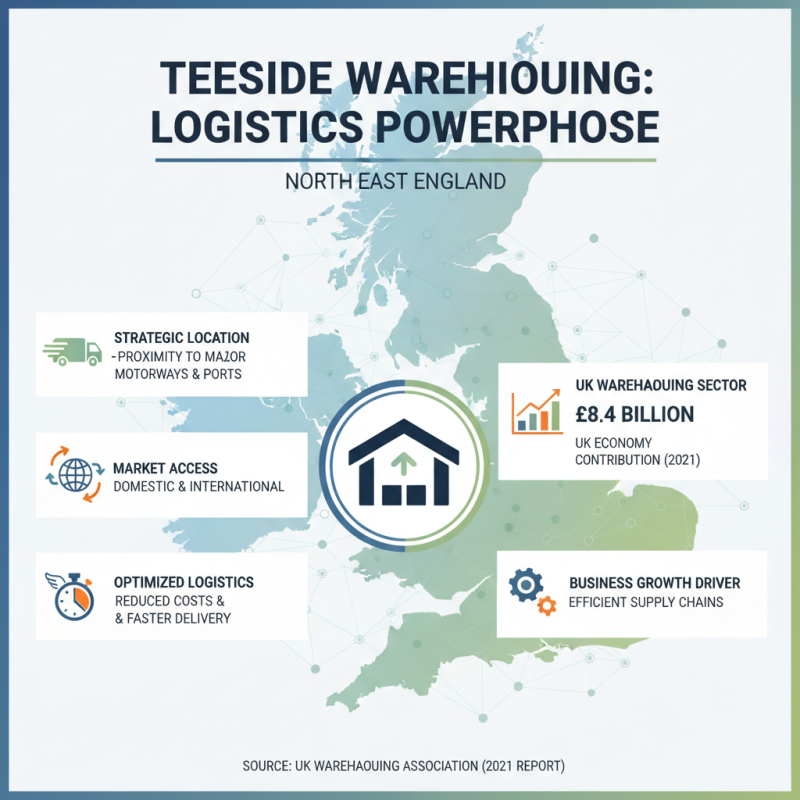
Teesside warehousing has emerged as a vital component for businesses seeking efficient logistics solutions in the North East of England. With its strategic location close to major transport networks, Teesside offers unparalleled access to both domestic and international markets. According to a report by the UK Warehousing Association, the warehousing sector contributed approximately £8.4 billion to the UK economy in 2021, highlighting the importance of efficient warehousing solutions in driving business growth. Companies operating in Teesside benefit from reduced transportation costs and improved delivery times due to the proximity to major motorways and ports.
One of the key benefits of Teesside warehousing lies in scalability. Businesses can adjust their storage capacities according to seasonal demands or market fluctuations without the burden of long-term commitments. A recent study indicated that 62% of businesses utilizing third-party warehousing in this region reported increased operational flexibility and efficiency. Additionally, modern warehousing facilities in Teesside often incorporate advanced technology such as automated storage and inventory management systems, which enhance productivity and accuracy. As the e-commerce sector continues to expand, utilizing Teesside’s warehousing capabilities enables businesses to meet customer demands promptly while minimizing overhead costs.
Industry Trends Affecting Teesside Warehousing Operations
The warehousing industry in Teesside is currently shaped by several significant trends that are influencing operational efficiencies and strategic decisions. One of the most notable trends is the increasing demand for automation and advanced technologies. Facilities are adopting high-tech solutions such as robotics and artificial intelligence to streamline processes, reduce labor costs, and improve accuracy in inventory management. This shift not only enhances productivity but also allows warehouse operators to adapt more swiftly to fluctuations in market demand.
Another critical trend impacting Teesside warehousing is the push towards sustainability. With growing awareness of environmental issues, many warehousing operations are striving to minimize their carbon footprint. This includes implementing energy-efficient systems, such as LED lighting and renewable energy sources, as well as optimizing supply chain logistics to reduce transportation emissions. Moreover, customers are increasingly favoring businesses that demonstrate a commitment to sustainable practices, prompting warehouses to align their operations with these expectations for long-term viability and competitiveness.
In conclusion, as Teesside warehousing evolves, businesses that embrace automation and sustainability will likely position themselves favorably in an ever-competitive landscape. Understanding these industry trends is essential for stakeholders to make informed decisions that drive growth and efficiency in their operations.
Challenges Faced by Teesside Warehousing Providers
The warehousing sector in Teesside faces a variety of challenges that impact providers and businesses alike. A significant issue is the rising operational costs, primarily driven by increased labor expenses and energy prices. According to a recent report by the British Warehousing Association, operational costs in the UK warehousing sector have surged by an average of 15% over the past year alone. This rise puts immense pressure on profit margins, forcing providers to reevaluate their pricing structures and efficiency strategies.
Another key challenge is the ongoing supply chain disruptions, exacerbated by geopolitical factors and recent global events. Research from industry analysts highlights that 70% of warehousing providers in the North-East are struggling to maintain consistent service levels due to these disruptions. Additionally, the demand for sustainable practices is becoming increasingly important, with a report indicating that 60% of companies are seeking environmentally friendly warehousing solutions. This trend presents both a challenge and an opportunity for Teesside warehousing providers to innovate while adhering to rising consumer expectations for sustainability.
Future Prospects for Teesside Warehousing in the Economy
The future prospects for Teesside warehousing in the economy appear promising, driven by several key factors. The region's strategic location offers unparalleled access to major transportation routes, facilitating seamless logistics operations. With the Teesport’s expansion, which is projected to increase cargo handling capacity by over 30% in the next five years, local warehousing facilities are primed for growth. According to recent reports by the Logistics and Transport Focus, the demand for warehousing space in the North East is expected to rise by 15% annually, indicating strong investment opportunities.
Furthermore, the changing landscape of e-commerce is likely to revolutionize Teesside’s warehousing sector. A study from the UK Warehousing Association highlights that the e-commerce market is anticipated to grow by 50% over the next few years, with businesses increasingly seeking efficient warehousing solutions to support their supply chains. Teesside's competitive labor market, alongside the government's support for infrastructure development, places the region in a favorable position to attract new businesses looking to establish distribution hubs, thereby boosting local employment and the economy overall. As these trends unfold, Teesside is set to become a vital player in the UK’s warehousing and logistics landscape.
What is Teesside Warehousing? Key Benefits and Industry Insights - Future Prospects for Teesside Warehousing in the Economy
| Dimension |
Details |
| Location |
Teesside Region, UK |
| Total Warehouse Space |
Approximately 5 million sq ft |
| Key Industries Served |
E-commerce, Manufacturing, Retail |
| Logistics Connectivity |
Proximity to A1(M) and Teesport |
| Labor Force |
Skilled labor pool with logistics training programs |
| Key Benefits |
Cost-effective storage solutions, strategic location, and enhanced distribution capabilities |
| Future Prospects |
Growth in e-commerce and logistics sectors, increasing demand for warehousing |