China Top 10 Airfreight Logistics Companies You Should Know?
China's airfreight logistics sector is vast and dynamic. It plays a crucial role in global trade and commerce. Understanding the landscape is essential for businesses relying on timely deliveries.
The top 10 airfreight logistics companies in China stand out due to their expertise and reliability. They provide various services, from express delivery to special cargo solutions. However, the competition is fierce. Companies must continuously adapt to market demands. They leverage technology and innovation to enhance efficiency.
Despite progress, challenges remain. Factors like regulatory changes and fluctuating air traffic can impact operations. Companies must navigate these hurdles carefully. The ability to respond quickly can make or break success in airfreight logistics. Understanding these dynamics helps businesses make informed decisions when selecting a logistics partner.
Overview of Airfreight Logistics in China
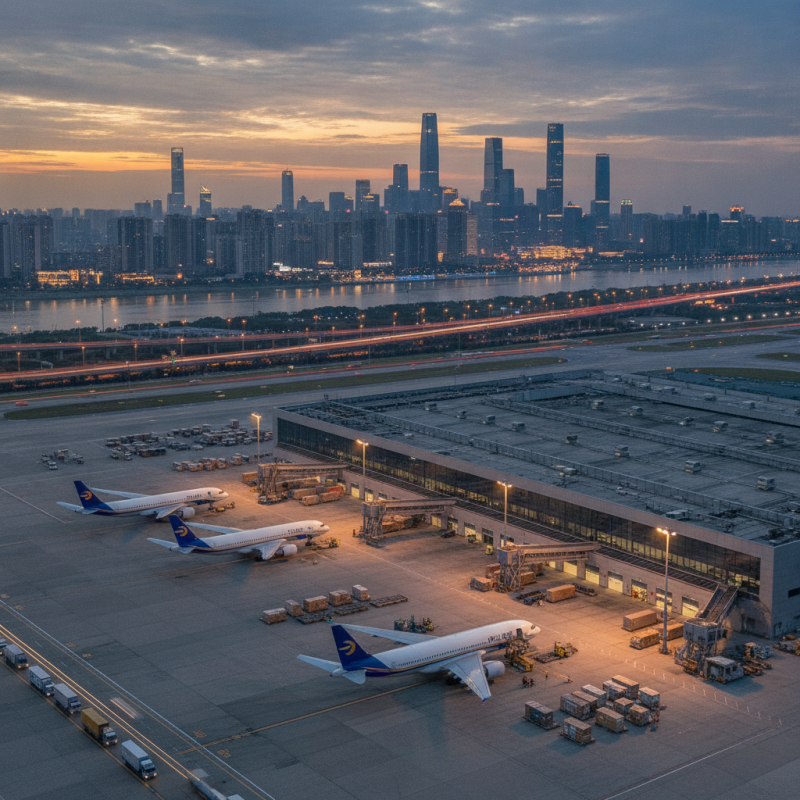
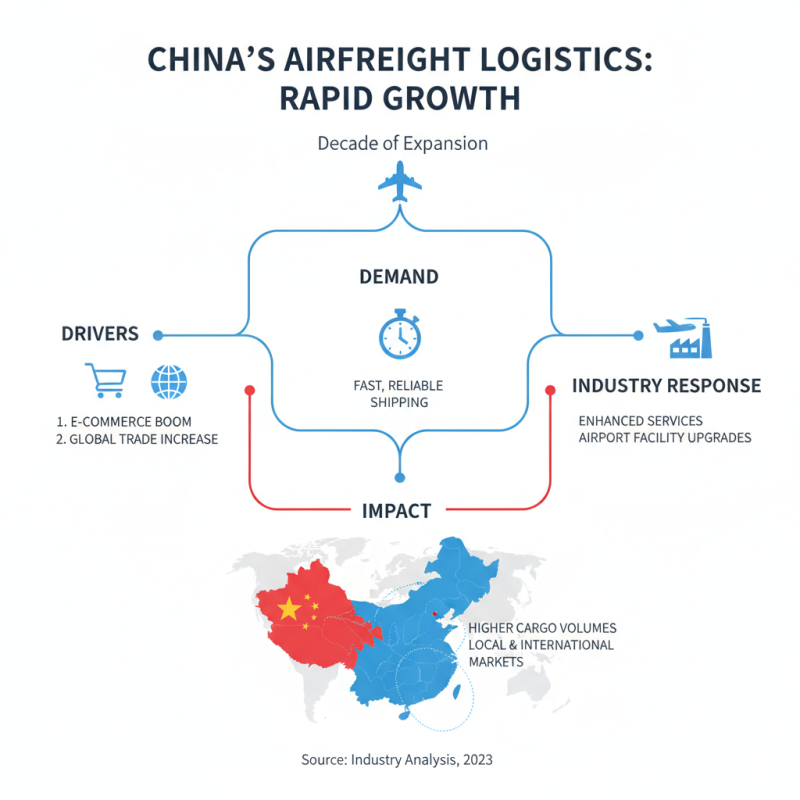
Airfreight logistics in China has experienced rapid growth over the past decade. This expansion is driven by e-commerce and increased global trade. The demand for fast and reliable shipping has pushed companies to enhance their airfreight services. Airports across China have upgraded facilities to handle higher volumes of cargo. This infrastructure development is vital for catering to both local and international markets.
However, challenges remain within the airfreight sector. Capacity constraints can lead to delays, especially during peak seasons. Many logistics companies struggle with fluctuating freight rates and capacity shortages. Correctly managing these factors is crucial for maintaining efficiency. Regulations also pose hurdles, with compliance often requiring extensive documentation. Companies must navigate these complex requirements carefully to avoid potential pitfalls.
Quality assurance remains a key focus area. With the rise of airfreight, ensuring the safe transport of goods is critical. This involves not only timely delivery but also maintaining the integrity of cargo. Consistent monitoring and improved technology play essential roles in addressing potential issues. Companies are investing in innovative solutions to enhance services while tackling existing limitations.
Criteria for Evaluating Top Airfreight Logistics Companies
When evaluating airfreight logistics companies, certain criteria stand out. Reliability is paramount. A good service provider should ensure timely deliveries. Delays can be detrimental to businesses. Consistency in service is also crucial. This includes maintaining quality during peak seasons.
Expertise in various freight routes is essential. Companies should know regional regulations and customs procedures. This knowledge helps in avoiding unexpected delays. Additionally, flexibility in services can set a company apart. Businesses often require tailored solutions. Meeting unique shipping needs demonstrates a company's competence.
Tips: Always ask about tracking capabilities. Real-time updates enhance transparency. Also, consider customer service quality. Responsive communication can mitigate issues quickly. Lastly, check for certifications or industry recognition. These credentials often reflect a company’s commitment to excellence.
Profiles of the Top 10 Airfreight Logistics Companies in China
When exploring airfreight logistics in China, understanding the leading companies is essential. These firms are renowned for their operational excellence and innovation in the logistics sector. They offer a range of services from cargo handling to customs clearance. Their experience spans across various industries, illustrating the breadth of their capabilities.
Key players in this industry emphasize the importance of technology. They use advanced tracking systems to provide real-time updates. Yet, challenges still arise in adapting to rapid changes in global demand. The best companies strive to maintain reliability, even amid unforeseen disruptions. They acknowledge the need for continuous improvement in their processes.
Partnerships play a crucial role in enhancing service offerings. Collaborating with local firms can help expand reach and efficiency. However, finding the right partners can take time. In a competitive market, even established companies may experience setbacks. Innovation is vital, but it requires both investment and a willingness to adapt. This ongoing journey in the dynamic airfreight landscape shapes the future of logistics in China.
Trends and Innovations in China's Airfreight Logistics Sector
The airfreight logistics sector in China is experiencing rapid growth and innovation. Advanced technology is reshaping the industry. Automation and artificial intelligence are improving efficiency in warehouse management. Moreover, real-time tracking systems enhance visibility throughout the supply chain. This allows companies to better manage their logistics operations.
Trends such as sustainability are also gaining traction. Many companies are now optimizing their routes to reduce carbon emissions. Eco-friendly packaging solutions are becoming standard practice. However, the challenge lies in balancing innovation with cost. Adaptations often require significant investment. Some businesses struggle to keep pace with these advancements, questioning the return on investment.
Tips: Embrace technology but remain realistic about costs. Assess your current logistics needs before implementing new solutions. Regular training for staff can ensure smoother transitions during upgrades. Stay informed about industry trends to avoid falling behind competitors. In this evolving landscape, adaptability is crucial for success in airfreight logistics.
Challenges Faced by Airfreight Logistics Companies in China
The airfreight logistics sector in China faces several pressing challenges. First, infrastructure constraints remain significant. Airports and cargo handling facilities often struggle with high volumes. These bottlenecks create delays and increase operational costs, impacting overall efficiency. Staff shortages also contribute to this issue. Finding skilled personnel in a rapidly growing industry can be daunting.
Additionally, regulatory complexities add another layer of difficulty. Compliance with domestic and international regulations is crucial. These often evolve, making it challenging for companies to keep pace. Inefficient customs procedures can lead to longer transit times. This affects customer satisfaction and trust in logistics providers.
Market competition is fierce. Companies must differentiate themselves while managing costs. Achieving this balance requires strategic planning and innovation. Many businesses find it hard to adapt to changing technologies like automation and data analytics. Staying competitive means continuously learning and evolving. These challenges highlight the need for resilience and adaptability in airfreight logistics.