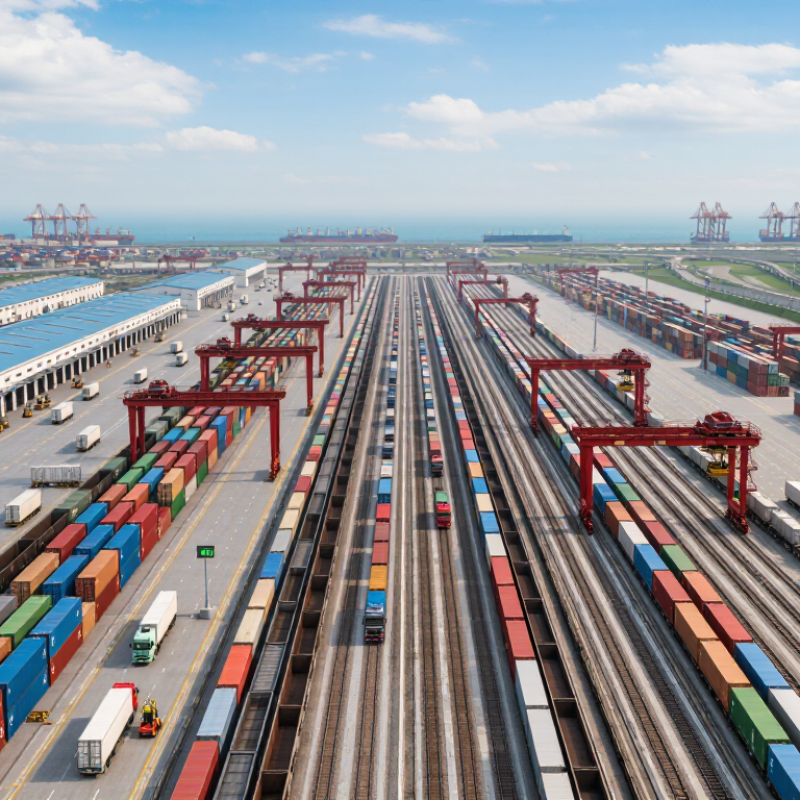
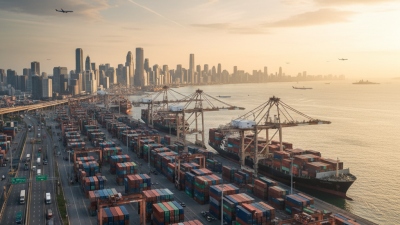
| Duisburg Inland Rail-Port Hub |
Germany
Western Europe |
1,435 mm standard gauge |
Rhine–Alpine; North Sea–Baltic; Eurasian rail links |
Containers, machinery, chemicals, metals, consumer goods and automotive components |
Direct links to inland waterways, European freight rail corridors and major western seaports |
Very high |
A major inland consolidation and distribution point for European and Asia–Europe trade. |
| Rotterdam Rail-Port Gateway |
Netherlands
Northwestern Europe |
1,435 mm standard gauge |
Rhine–Alpine; North Sea–Baltic; European hinterland routes |
Containerized imports and exports, chemicals, mineral products, foodstuffs and project cargo |
Dense rail, inland-waterway and short-sea connections across the Rhine basin and continental Europe |
Very high |
Supports one of Europe’s largest maritime gateways and a broad manufacturing hinterland. |
| Bettembourg–Dudelange Freight Terminal |
Luxembourg
Western Europe |
1,435 mm standard gauge |
North Sea–Mediterranean; Atlantic and Rhine–Alpine routes |
Semi-trailers, containers, retail goods, industrial inputs and temperature-sensitive cargo |
Cross-border rail-road transfers connecting Benelux, France, Germany, Italy and Spain |
High |
Important for shifting long-distance road freight to rail and serving Luxembourg’s logistics economy. |
| Madrid Abroñigal Freight Hub |
Spain
Iberian Peninsula |
1,668 mm Iberian gauge with standard-gauge interfaces |
Atlantic and Mediterranean corridors; Iberian domestic routes |
Consumer products, food and beverages, automotive goods, machinery and containerized imports |
Central position within Spain’s rail network with connections to ports, industrial regions and inland distribution centers |
High |
Provides a major inland gateway for the Madrid metropolitan market and national distribution system. |
| Vienna Central Freight Gateway |
Austria
Central Europe |
1,435 mm standard gauge |
Rhine–Danube; Baltic–Adriatic; Eastern European corridors |
Machinery, automotive components, food products, steel, chemicals and consumer containers |
Links the Danube region with Germany, Italy, Central Europe and southeastern European markets |
High |
Acts as a strategic distribution point between western European production centers and eastern markets. |
| Łódź Intermodal Rail Hub |
Poland
Central and Eastern Europe |
1,435 mm standard gauge |
North Sea–Baltic; China–Europe rail services; Baltic port routes |
Electronics, machinery, automotive parts, retail merchandise and consolidated containers |
Central Polish location with access to major highways, Baltic ports and east–west rail corridors |
High |
Supports Poland’s role as a European logistics platform and a bridge between Asian and EU supply chains. |
| Almaty Rail Freight Hub |
Kazakhstan
Central Asia |
1,520 mm broad gauge |
China–Central Asia–Europe; Trans-Caspian and regional routes |
Machinery, electronics, agricultural products, metals, chemicals and consumer goods |
Connects Central Asian production and consumption centers with Chinese and transcontinental rail networks |
High |
Strengthens Kazakhstan’s position as a land-linked transit economy between China, Europe and Central Asia. |
| Khorgos Rail Transshipment Gateway |
Kazakhstan–China Border
Central Asia |
1,435 mm / 1,520 mm gauge interface |
China–Europe; China–Central Asia; Trans-Caspian routes |
Containerized manufactured goods, machinery, electronics, textiles and agricultural products |
Gauge-change and cargo-transfer facilities enable movement between Chinese and former Soviet rail systems |
High |
A critical land bridge for Eurasian trade, reducing border delays through specialized transshipment operations. |
| Chicago Rail Gateway |
United States
North America |
1,435 mm standard gauge |
Transcontinental North American routes; Great Lakes and Gulf connections |
International containers, agricultural exports, automobiles, coal, chemicals and consumer products |
The largest rail interchange area in North America, connecting western ports, eastern markets and inland distribution centers |
Very high |
A principal national freight junction with major effects on inventory positioning, transit times and manufacturing supply chains. |
| Kansas City Intermodal Hub |
United States
Central North America |
1,435 mm standard gauge |
East–West transcontinental routes; Mexico–United States–Canada corridors |
Consumer goods, agricultural products, automotive components, food products and industrial materials |
Central location with direct rail and highway access to all major regions of the United States and Mexico |
Very high |
Supports large-scale inland distribution and cross-border supply chains across the North American market. |
| Los Angeles–Long Beach Rail Gateway |
United States
Pacific Coast |
1,435 mm standard gauge |
Trans-Pacific trade; Southwest and transcontinental North American routes |
Imported consumer goods, electronics, furniture, apparel, machinery and agricultural exports |
Direct rail access from the largest container gateway on the United States Pacific coast to inland markets |
Very high |
A major entry point for Asian imports and a key driver of logistics, warehousing and distribution activity in Southern California. |
| Toronto Intermodal Freight Hub |
Canada
Great Lakes Region |
1,435 mm standard gauge |
Canada–United States Great Lakes corridor; Atlantic and Pacific connections |
Consumer goods, food products, automobiles, forest products, metals and industrial inputs |
Serves the largest Canadian metropolitan market and connects eastern seaports with inland North American networks |
High |
Central to Canadian retail, manufacturing and cross-border trade with the United States. |
| Malmö–Southern Sweden Rail Gateway |
Sweden
Scandinavia |
1,435 mm standard gauge |
Scandinavia–Mediterranean; Baltic–Adriatic; Denmark–Sweden–Germany routes |
Retail containers, food, forest products, machinery, vehicles and temperature-controlled cargo |
Combines rail, road and short-sea services through the Øresund and southern Scandinavian transport network |
High |
Improves access between Nordic economies and continental European markets while supporting lower-emission freight transport. |