What is Underbond Warehouse and How Does it Benefit Buyers?
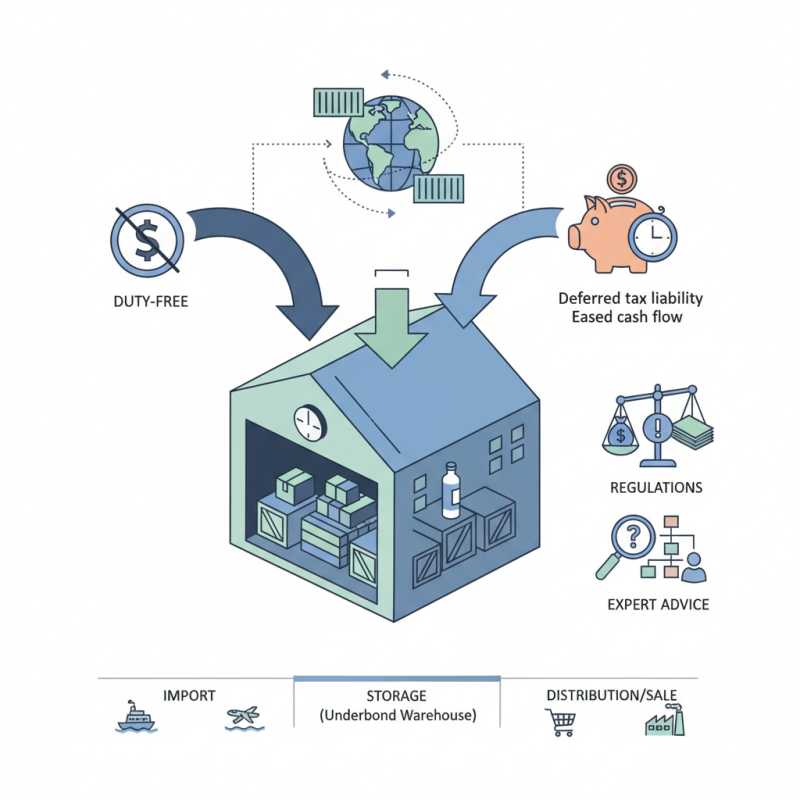
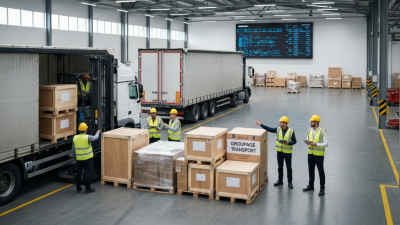
Underbond Warehouse plays a pivotal role in global trade. It provides a unique storage solution for goods imported into a country, allowing them to remain duty-free until sold. This system benefits buyers by deferring tax liabilities, which can ease cash flow.
In an Underbond Warehouse, products stay secured until they are ready for distribution. This setup is particularly advantageous for businesses looking to manage inventory efficiently. It also encourages importers to stock items without immediate financial burden.
However, businesses must navigate regulations carefully. Understanding the requirements of an Underbond Warehouse can be complex. There are risks involved, such as potential compliance issues. Buyers should seek expert advice to maximize benefits while minimizing pitfalls.
Definition and Purpose of Underbond Warehousing
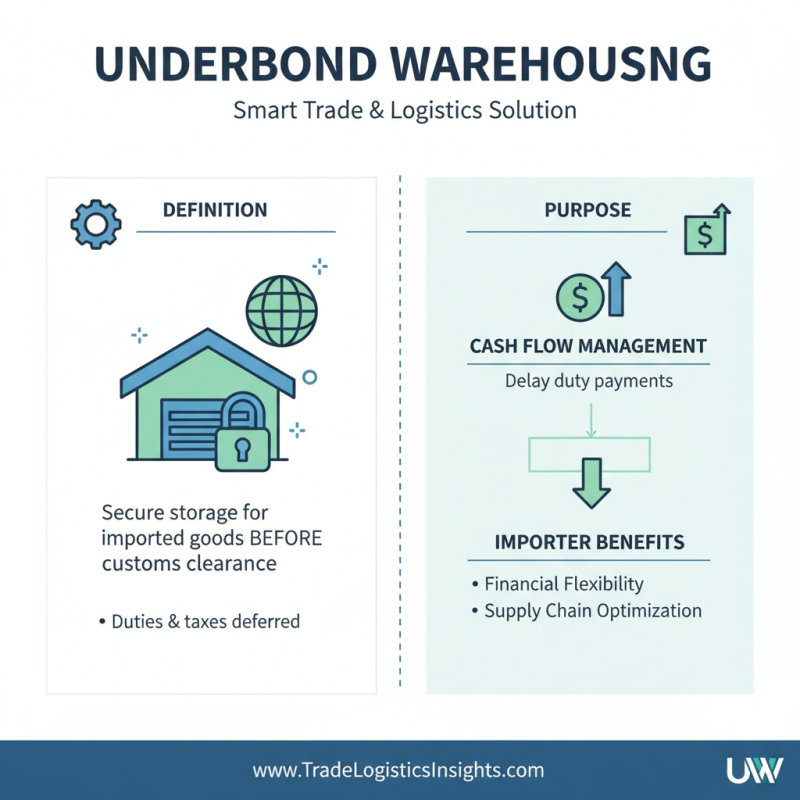
Underbond warehousing is a system used in trade and logistics. It provides storage for goods that are yet to clear customs. This solution allows importers to store products without paying duties immediately. Many buyers find this appealing, as it helps manage cash flow efficiently.
The primary purpose of underbond warehousing is to defer tax obligations. Goods remain under bond until they are removed from the warehouse. This process can lead to significant cost savings for businesses. Buyers also gain flexibility in managing their inventory. However, navigating the regulations surrounding underbond storage can be complex. It requires careful planning and compliance with customs laws.
Buyers must understand the implications of using an underbond warehouse. While it can offer financial advantages, it also poses risks if mishandled. Goods must be accurately tracked and accounted for. Any errors can lead to penalties or delays. Therefore, familiarity with both logistics and legal requirements is essential for successful management in this area.
Key Features of Underbond Warehouses
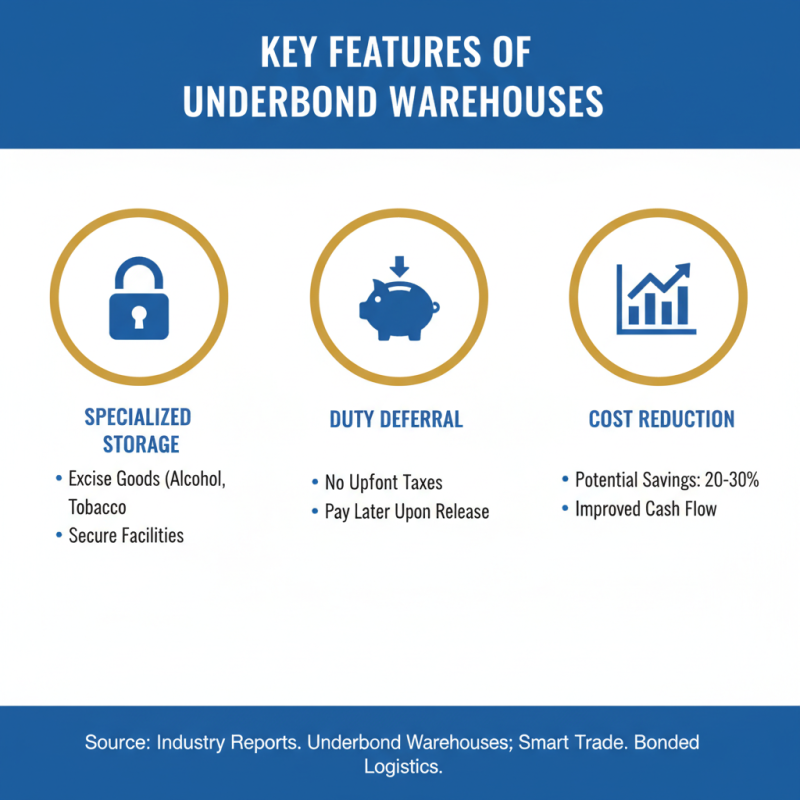
Underbond warehouses are specialized facilities used in the trade of excise goods. They provide a secure space to store products, such as alcohol and tobacco, without incurring immediate duty fees. According to industry reports, these warehouses can reduce costs for buyers. They offer potential savings of 20% to 30% in duty payments, significantly impacting cash flow.
One of the key features is the flexibility they provide. Buyers can store goods for extended periods, allowing for strategic timing when selling products. This flexibility can lead to better pricing in the market. Data from logistics surveys show that companies utilizing underbond storage report improved inventory turnover rates and reduced holding costs.
Despite the benefits, there are challenges. Not all buyers are familiar with the regulations surrounding underbond warehouses. Misunderstandings can lead to compliance issues. It’s important for businesses to invest in training and resources. Staying informed can optimize the benefits of underbond warehouses, ultimately leading to better operational efficiency and profitability.
Advantages for Buyers in Using Underbond Warehousing
Underbond warehousing offers significant advantages for buyers in various industries. It allows for the storage of goods without incurring duties or taxes until they are released for sale. This can lead to substantial cost savings. According to the World Customs Organization, more than 40% of companies recognized duty savings as a key benefit when utilizing underbond facilities. These savings can be reinvested into operations, enhancing cash flow.
Another important aspect is the flexibility it provides. Buyers can manage their inventory levels more efficiently. This capability allows businesses to respond quickly to market demand changes. The option to defer payment of duties until goods are sold gives buyers more control over their financial planning. A survey by the International Logistics Association indicates that approximately 65% of companies that used underbond warehouses reported improved inventory management.
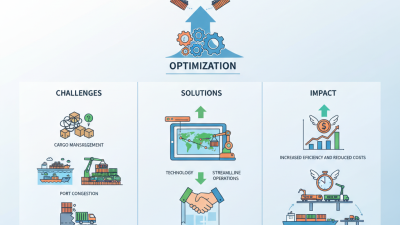
However, using underbond warehousing does come with challenges. Not all goods are eligible, leading to potential frustrations. Moreover, compliance with regulations requires careful management to avoid penalties. While the benefits are clear, understanding the complexities is essential for effective use. Balancing these advantages against potential pitfalls is a key consideration for buyers.
Benefits of Underbond Warehousing for Buyers
Compliance and Regulatory Aspects of Underbond Warehousing
Underbond warehousing provides a legal framework for storing goods without immediate taxation. This method is utilized mostly in customs and trade operations. Compliance with various regulations is crucial for those interested in using underbond facilities. Each warehouse must adhere to strict guidelines set by governmental authorities. These rules ensure the proper handling and safeguarding of stored goods.
Buyers must understand the compliance landscape. Goods stored in underbond warehouses are often subject to specific customs regulations. Misunderstanding these rules can lead to significant legal challenges. Therefore, professional guidance is advisable to navigate these complexities. The expertise of logistics and compliance specialists can help buyers understand their responsibilities.
Engaging with underbond warehousing offers potential benefits, yet challenges exist. Buyers must address the risks associated with compliance lapses. Without proper oversight, goods might face release delays or potential penalties. Regular audits and thorough documentation help mitigate these issues. Understanding the regulatory aspects is essential for maximizing the advantages of using underbond warehouses.
What is Underbond Warehouse and How Does it Benefit Buyers? - Compliance and Regulatory Aspects of Underbond Warehousing
| Aspect |
Description |
Benefits |
| Definition |
A type of storage facility where goods are held without the payment of import duties until they are required for sale or processing. |
Deferred payment of duties allows better cash flow management for buyers. |
| Compliance Requirements |
Operators must adhere to specific regulations and maintain accurate records of goods stored. |
Ensures legality and reduces the risk of penalties or fines. |
| Storage Duration |
Goods can be stored for an indefinite period in compliance with regulations. |
Flexibility in inventory management and the ability to respond to market demand. |
| Accessibility |
Merchants can access their goods within the warehouse as needed. |
Facilitates quick replenishment of stock without incurring additional duties. |
| Regulatory Body |
Regulated by customs authorities to ensure compliance with import/export laws. |
Provides a structured approach to foreign trade operations, enhancing legal protection for buyers. |
Comparative Analysis of Underbond vs. Regular Warehousing
Underbond warehousing presents a unique option for businesses storing goods. This method differs greatly from traditional warehousing. Underbond warehouses allow goods to remain in a tax-exempt state until they enter the local market. This can significantly lower costs for importers and distributors.
In comparison, regular warehousing incurs duties immediately upon arrival. Companies often feel the pressure of these costs. Underbond warehousing gives them breathing room. They can plan their cash flow more effectively without the upfront duty payments. This often leads to better inventory management. However, navigating underbond regulations can be complex. Companies must ensure they comply fully to avoid penalties.
Moreover, underbond warehouses offer additional flexibility. Goods can be stored longer without incurring taxes. This can lead to challenges in accountability and tracking. Companies must implement rigorous internal controls to manage their inventory effectively. The decision between underbond and regular warehousing ultimately hinges on specific business needs and the operational environment. Balancing cost savings with regulatory compliance is crucial for success.