What is an Underbond Warehouse and How Does it Operate?
An Underbond Warehouse plays a crucial role in the global supply chain. This specialized facility allows goods to be stored without immediate payment of taxes and duties. According to a recent industry report, approximately 30% of international trade utilizes such warehouses for efficiency and cost-effectiveness.
These warehouses are particularly beneficial for importers. They provide a secure environment for storing goods while decisions about duties are pending. A key advantage is that, under specific conditions, the merchandise can be held for extended periods. However, this model is not without challenges. Mismanagement can lead to increased costs or penalties, reflecting a need for oversight in operations.
Understanding how an Underbond Warehouse operates is vital for businesses. The dynamics of global trade demand flexibility and strategic planning. Each stored item represents potential revenue. Balancing risk and opportunity is essential. With the right management, these warehouses can be a powerful asset in the supply chain.
Definition and Purpose of an Underbond Warehouse
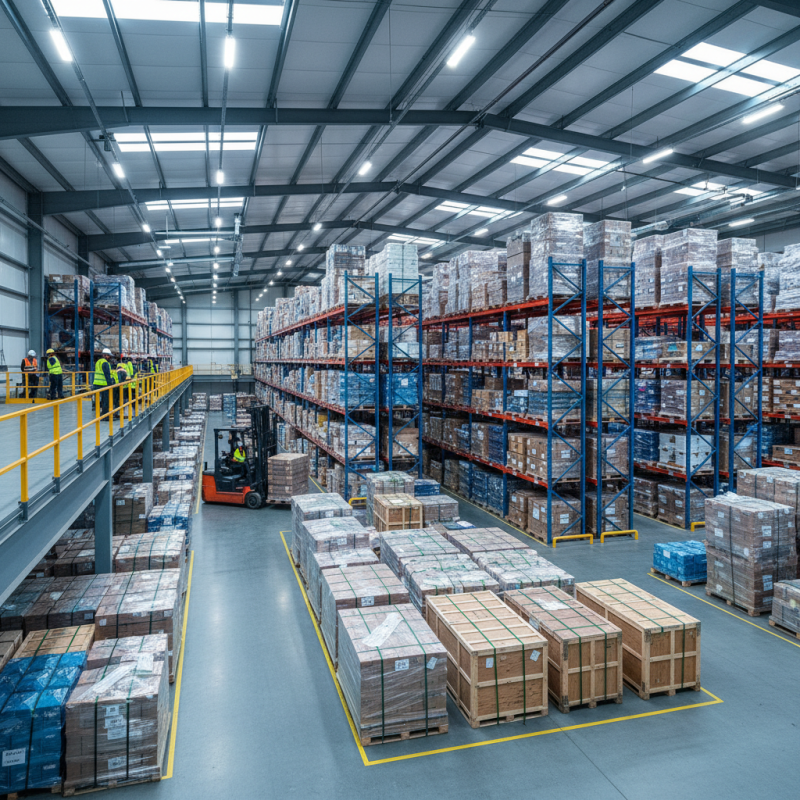
An underbond warehouse serves a specific purpose in the realm of customs and taxation. It is a secure location where goods can be stored without being subject to immediate taxation. This setting allows for flexibility. Businesses can hold their products until they are ready for distribution.
These warehouses operate under strict regulations. Customs authorities monitor the storage of goods closely. Importers must follow specific guidelines to use these facilities. While underbond warehouses provide benefits, there are challenges.
Mismanagement can lead to fines or loss of goods. Proper inventory tracking is essential to avoid these pitfalls.
In essence, underbond warehouses offer a strategic advantage for businesses dealing with imports. They create a balance between compliance with regulations and operational efficiency.
However, neglecting the rules can result in significant issues. Understanding the responsibilities that come with using such facilities is crucial for success.
Key Features of Underbond Warehouses
Underbond warehouses are specialized facilities where goods can be stored without immediate payment of customs duties. These warehouses serve as a vital part of international trade. They allow importers to hold their goods until they decide on the next steps. It may be to sell, re-export, or enter them into the domestic market.
Key features of underbond warehouses include flexibility and cost-efficient storage. Businesses can avoid high customs fees upfront. This feature helps improve cash flow. Moreover, goods can often be customized or repackaged while in storage. However, managing inventory in these warehouses requires careful planning. Misjudgment can lead to unexpected fees or delays.
Another notable aspect is the security measures in place. Underbond warehouses typically have strict access controls. They are monitored to prevent any unauthorized access. Nonetheless, ensuring compliance with regulations can be challenging. Companies must stay updated on the rules. Any oversight can lead to penalties or issues with authorities.
Operational Process of Underbond Warehouses
Underbond warehouses offer essential storage solutions for goods awaiting customs duties. These facilities enable businesses to delay tax obligations until products are officially imported. Understanding their operational process is vital for efficiency.
Goods arrive at the underbond warehouse after transportation from ports or suppliers. Once delivered, items are stored securely while maintaining their compliance status. This requires effective inventory management. Data shows that improper handling can lead to a 15% increase in costs due to delays and penalties. To prevent issues, staff must regularly inspect and catalog inventory.
When ready, goods can be exported or cleared for domestic use. The clearance process involves documentation submission to customs authorities. Reports indicate that an estimated 30% of clients encounter complications during this phase. Proper training and clear communication can alleviate such issues. Over time, adapting to these challenges is crucial for success in using underbond warehouses.
Regulatory Framework Governing Underbond Warehouses
Underbond warehouses play a crucial role in the logistics and trade sectors. They serve as storage facilities where goods can be kept without incurring certain duties until they are moved. This system is particularly beneficial for businesses aiming to optimize cash flow and manage inventory effectively.
The regulatory framework governing underbond warehouses varies by region. For instance, in the European Union, strict customs regulations dictate how these warehouses operate. According to industry reports, about 25% of international trade transactions utilize such facilities, illustrating their significance. The compliance requirements can often be complex, requiring operators to maintain detailed records.
Moreover, the oversight by customs authorities ensures that these warehouses cannot be misused. Failure to adhere to regulations may result in penalties or revocation of licenses, creating a challenging environment for warehouse operators. Data shows that about 40% of warehouse operators report difficulties in navigating these regulations. Engaging with legal experts can be essential for maintaining compliance. This highlights the need for constant adaptation in a regulated landscape, prompting many businesses to reevaluate their warehousing strategies.
What is an Underbond Warehouse and How Does it Operate? - Regulatory Framework Governing Underbond Warehouses
| Dimension |
Description |
Importance |
| Location |
Geographical area designated for underbond warehouses. |
Critical for logistical efficiency and compliance with customs regulations. |
| Regulatory Authority |
Government body responsible for overseeing operations. |
Ensures adherence to laws and trade agreements. |
| Types of Goods |
Goods that can be stored under bond without duties paid. |
Facilitates international trade by deferring duty payments. |
| Bond Duration |
Time period during which goods can remain in the warehouse. |
Helps manage cash flow and inventory levels for businesses. |
| Compliance Documentation |
Necessary paperwork to maintain legal operations. |
Essential for preventing legal breaches and penalties. |
Advantages of Using Underbond Warehouses for Businesses
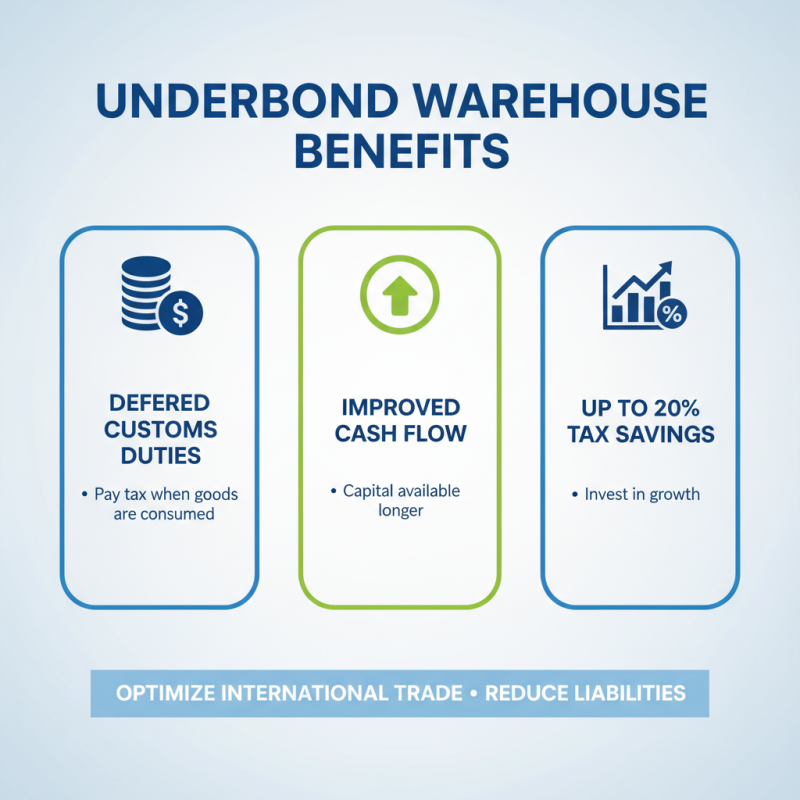
Underbond warehouses offer significant advantages for businesses engaged in international trade. They allow companies to defer customs duties until goods are removed for consumption. This feature can improve cash flow. According to recent industry reports, businesses utilizing underbond systems can reduce their tax liabilities by up to 20%. This can free up resources for investment in other areas.
In addition, underbond warehouses provide businesses with the flexibility to manage inventory efficiently. Companies can store goods without immediate customs clearance. This can be particularly beneficial during periods of market volatility. However, this system isn't without challenges. Companies must maintain rigorous inventory controls and compliance with customs regulations. Sometimes, the complexities can be overwhelming.
This warehousing option also facilitates better supply chain management. It allows for easier distribution within specific regions. This strategy can help businesses respond quickly to changing demands. Nevertheless, it requires thoughtful planning to avoid common pitfalls. Understanding local laws is crucial as non-compliance can lead to heavy penalties. Companies must carefully weigh these aspects to fully leverage the benefits of underbond warehouses.