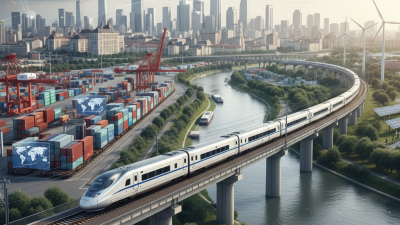
China Top High Speed Rail Cargo Solutions for Global Buyers?
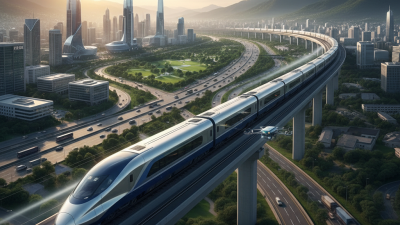
High Speed Rail Cargo has revolutionized the logistics landscape in China. This transformation is not just about speed, but efficiency and reliability. As global demand for faster shipping options grows, many buyers are looking at China’s high-speed rail solutions.
Chinese companies have developed advanced technologies to facilitate this mode of transport. The integration of digital platforms with high-speed rail cargo services ensures seamless operations. Such advancements promise reduced transit times and lower costs. However, challenges persist. Infrastructure congestion and regulatory hurdles can impact service reliability. Buyers should understand these factors when considering high-speed rail cargo solutions.
Understanding the landscape is crucial. Experience and expertise drive successful collaborations. Buyers must not only seek fast transportation but also reputable partners. Careful evaluation of service providers will enhance logistics efficiency. The future of High Speed Rail Cargo is bright, but ongoing reflection and adaptation are essential for sustained success.
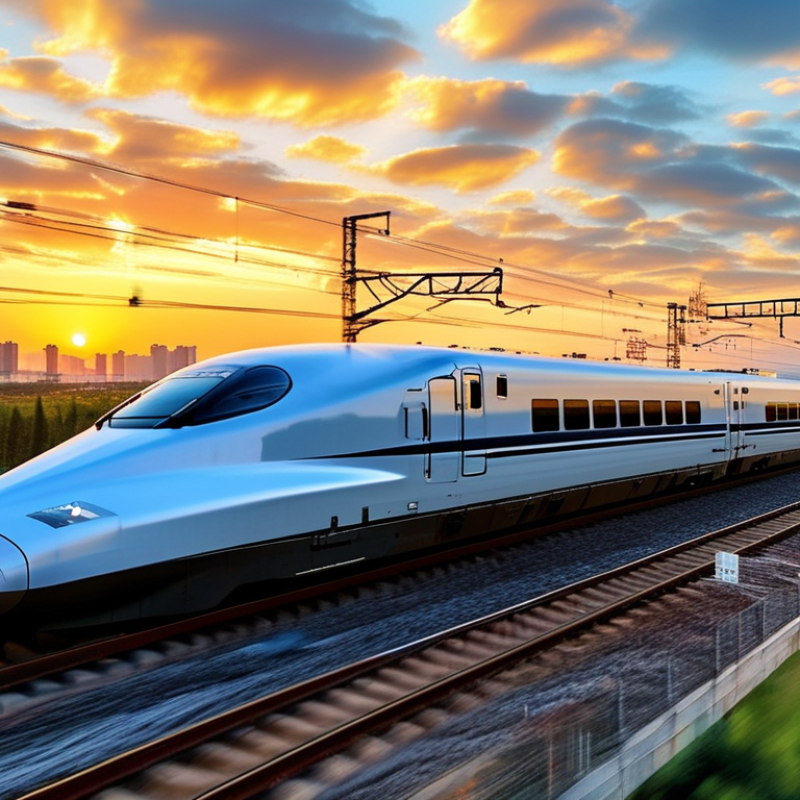
China's Advancements in High-Speed Rail Cargo Technology
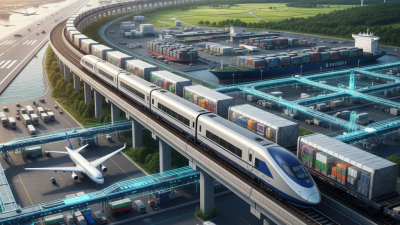
China's advancements in high-speed rail cargo technology have transformed logistics. The integration of cutting-edge systems and efficient designs has set new benchmarks. High-speed rail has improved the speed and reliability of cargo transport. Rail networks are now connecting urban centers with remote areas seamlessly. This promotes quicker deliveries and reduces transit times.
Investing in high-speed rail cargo can yield significant returns. Buyers should consider how technological advancements can enhance their supply chain. Logistics operators now leverage automated loading and unloading processes. This minimizes human error and boosts efficiency. Cargo is monitored in real-time, ensuring safety and accuracy.
Tips for global buyers: always assess infrastructure compatibility. Evaluate local industry standards for high-speed transport logistics. Collaboration with local experts can streamline operations. Stay updated on evolving regulations and safety measures. Embracing these insights can lead to successful partnerships in the high-speed rail cargo sector.
Key Features of China's High-Speed Rail Cargo Solutions
China's high-speed rail (HSR) cargo solutions stand out for their
efficiency and speed. The network spans over
37,900 kilometers, making it the longest in the world. According to the China Railway Corporation,
HSR can transport goods up to 350 kilometers per hour. This swiftly connects manufacturers with
global markets, significantly reducing transit times.
One undeniable feature is the cost-effectiveness of rail over modal options. A
2022 logistics study showed that using HSR can lower freight
costs by 30% compared to air transport. Additionally, HSR
facilities often include specialized temperature-controlled containers. These maintain goods' quality, which is crucial
for perishable items. Quality assurance is vital but not always guaranteed in a rush.
While the advantages are clear, challenges remain. The expansion of cargo-focused HSR lines is limited in certain
regions. Infrastructure bottlenecks can hinder efficiency. Recent surveys reveal that 25%
of users experienced delays. Continuous improvement is necessary to ensure reliability
and meet global demand. Stakeholders must address these issues to maintain
their competitive edge.
Comparative Analysis of Global High-Speed Rail Cargo Systems
In the pursuit of efficient freight solutions, high-speed rail systems have emerged as a viable option for cargo transport. Unlike traditional freight options, high-speed rail offers lower transit times and reduced congestion. A report by the International Union of Railways states that the freight capacity of high-speed rail can be up to 50% greater than conventional systems due to innovative design and technology.
However, challenges remain. Infrastructure investment is significant, and maintenance costs can be high. Furthermore, most high-speed rail systems originally focus on passenger service, and retrofitting for cargo has limitations. The Global Rail Freight Market is projected to grow by 6.5% annually, highlighting the need for strategic partnerships in the industry.
Tip: When evaluating high-speed rail solutions, consider regional demands. Different areas may prioritize speed over capacity or vice versa. Analyze case studies to understand varying approaches and outcomes.
High-speed rail has significant potential. Still, operational constraints require careful consideration. Data from the Rail Freight Strategy indicates that while emissions decrease by over 50% with rail compared to trucks, market acceptance lags in some regions. Stakeholders must address these issues for the industry to fully capitalize on this sustainable transport mode.
Challenges and Opportunities in High-Speed Rail Cargo Logistics
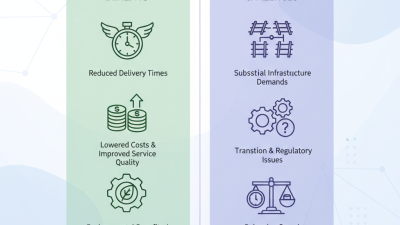
High-speed rail cargo in China has surged, providing efficient logistics solutions. However, this rapid growth faces significant challenges. Capacity constraints exist, as rail networks can become congested with overloaded cargo. Timeliness is crucial in logistics, yet delays can occur. Weather conditions and technical issues may further hinder operations.
Global buyers see opportunities in this evolving market. High-speed rail reduces transit times, offering a competitive edge. China's infrastructure investment supports faster and more reliable services. Nevertheless, there are hurdles to overcome. Different regulations across regions can complicate cross-border operations. Standardization of practices is still lacking.
Training for personnel is essential yet often neglected. Skilled workers are key to ensuring efficient cargo handling. The interaction between technology and human resources needs more exploration. Effective tracking systems improve transparency but are not yet uniformly implemented. These considerations reveal a landscape rich in potential yet fraught with challenges.
Strategic Benefits for Global Buyers Utilizing China's High-Speed Rail Services
China's high-speed rail services provide strategic advantages for global buyers seeking efficient cargo solutions. These rail networks can significantly reduce transport times. With speeds reaching over 300 kilometers per hour, goods can be transported across vast distances quickly. This speed can lead to decreased inventory costs for businesses relying on just-in-time delivery.
Furthermore, the reliability of China's rail system enhances supply chain efficiency. Trains are less affected by weather disruptions compared to road transport. However, some may find the schedules rigid. Flexibility in operations remains a crucial area to improve. Real-time tracking of shipments is often available, providing transparency and peace of mind for global buyers.
Cost-effectiveness is another factor to consider. Transporting goods by rail can be cheaper than air freight for certain cargo. Yet, there could be trade-offs in terms of capacity and type of goods transported. A review of logistical needs will help in making informed decisions. These advantages highlight the growing importance of utilizing China's high-speed rail services for cargo logistics.