What is Container Transport and How Does it Work?
Container transport plays a crucial role in global trade. It is estimated that over 90% of the world's goods are transported by sea. The Container Transport sector has been growing steadily, with a 4.5% increase in volume expected by 2025, according to a recent report by the International Maritime Organization (IMO). This growth reflects the increasing reliance on container shipping, driven by e-commerce and international trade.
Experts like Dr. Anita Li, a leading figure in logistics and supply chain management, emphasize its significance: "Container transport is the backbone of modern trade." This statement underlines how essential containers are for moving goods efficiently across continents. However, challenges remain in the industry, including rising costs and the need for technological advancements in tracking and logistics.
Moreover, while companies strive to optimize container transport, the industry must also address sustainability concerns. Reducing the carbon footprint of shipping and improving port efficiency are critical areas for reflection. Container transport is not just about moving boxes; it requires innovative solutions to enhance reliability and environmental responsibility.
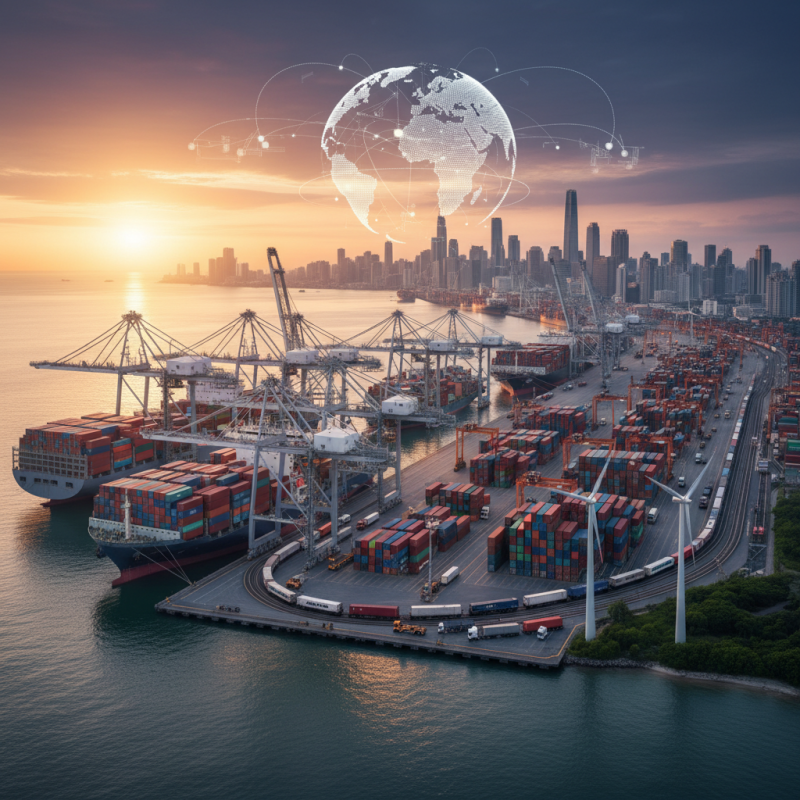
Definition of Container Transport and Its Importance in Global Trade
Container transport is vital in global trade. It involves transporting goods in specially designed containers, usually by ships, trucks, and trains. This method streamlines shipping processes, reduces costs, and enhances efficiency.
The importance of container transport lies in its ability to facilitate international trade. It allows businesses to export and import goods with ease. Containers can standardize shipments, making it simpler to handle and store products. They protect cargo from damage during transit, which is crucial for maintaining product quality. However, there are challenges to consider. Overcrowding at ports can lead to delays. Furthermore, the environmental impact of shipping practices is a growing concern.
Container transport has transformed the global economy. It enables countries to trade goods more efficiently than ever before. Yet, continuous improvement is necessary. Addressing logistical issues and sustainability will shape the future of this industry.
History and Evolution of Container Transport Systems
Container transport has an intriguing history that reflects global trade's evolution. In the mid-20th century, the shipping industry began to recognize the benefits of using standardized containers. Before this, goods were loaded and unloaded manually. This process was inefficient and time-consuming. The introduction of containers provided a solution. They allowed for quicker loading and unloading at ports.
The first significant step in container transport was the invention of the intermodal container. It enabled the transportation of goods by truck, rail, and ship seamlessly. As container sizes standardized, the industry saw a major shift. Ports began investing in machinery to handle containers. Infrastructure changed dramatically to accommodate larger vessels. The impact was profound; global trade saw exponential growth.
Despite these advances, challenges remain. Not all ports can handle the largest container ships. This limits trade routes and affects economies. Additionally, the environmental impact of container shipping is a pressing concern. The logistics of container transport continue to evolve. Balancing efficiency with sustainability is a growing focus for the industry.
Key Components and Types of Containers Used in Transportation
Container transport plays a vital role in global trade. Various types of containers are used to ensure goods are transported safely and efficiently. Shipping containers are the most common. These metal boxes come in standard sizes of 20 or 40 feet. They are built to withstand harsh conditions at sea.
Another important type is the refrigerated container. Often called "reefers," these containers maintain specific temperatures. They are essential for transporting perishable goods like fruits and vegetables.
Flat rack containers are versatile. They accommodate oversized cargo that can't fit in standard containers. These containers have no sides or roof, allowing for easy loading of machinery or heavy equipment.
**Tips:** Always check container conditions before loading. Ensure there are no structural damages. Proper insulation in reefers is critical; it helps maintain the goods' quality during transit. Consider the container type based on your cargo's needs. Not all containers suit every product.
It's essential to reflect on container selection. The wrong choice can lead to damage or spoilage. Always assess your options carefully. Containers may look similar, but their functionalities can vastly differ.
Step-by-Step Process of Container Loading and Unloading
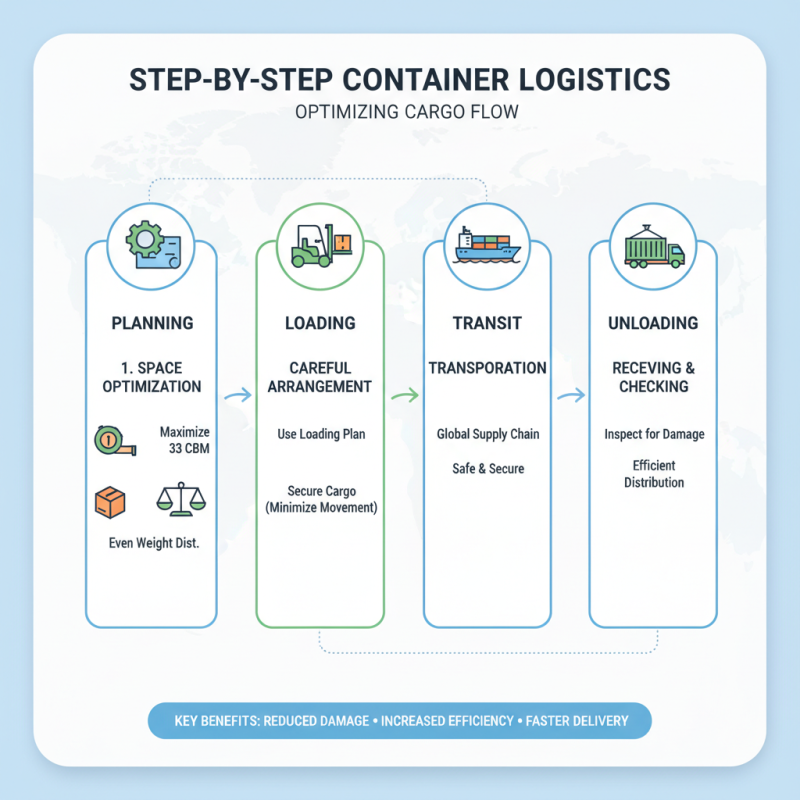
Container loading and unloading is a critical phase in logistics, affecting the entire supply chain. A standard container can hold up to 33 cubic meters of cargo. However, improper loading can lead to damage or loss. The process begins with the planning of container space. Using a loading plan ensures even weight distribution. Each item must be carefully arranged to maximize space while minimizing movement during transit.
Unloading follows a similar process. One must first assess the location and approach for safe handling. Data indicates that about 25% of delays in shipping are caused by inefficient unloading practices. Clear communication among team members is essential. Effective coordination can help reduce waste and optimize time.
**Tips:** Always double-check inventory against the manifest before shipping. This can prevent potential issues upon arrival. Consider using technology, like RFID tagging, to streamline the process. It helps track cargo movement and enhances accuracy. Remember, learning from past mistakes can lead to more efficient practices in the future.
Challenges and Innovations in Container Transport Logistics
Container transport plays a crucial role in global trade. However, it faces various challenges and demands innovative solutions. Issues like port congestion and tracking inefficiencies significantly affect timely deliveries. These hurdles require fresh thinking and practical strategies.
Innovations in container transport logistics focus on automation and digitalization. Automated cranes in ports speed up loading and unloading processes. Blockchain technology enhances transparency in documentation. These advancements minimize errors and improve efficiency. Implementing IoT devices allows for real-time tracking of cargo, which is invaluable for managing supply chain disruptions.
Here are some tips to navigate the complexities of container transport. First, invest in robust tracking systems to monitor shipments. This helps in anticipating delays. Second, foster collaborations among logistics partners to streamline operations. Lastly, stay informed about regulatory changes that may impact logistics strategies. Reflecting on your transport processes is essential to adapt and thrive in this evolving landscape.
Container Transport: Challenges and Innovations in Logistics