How to Use Hydrogen Freight Trains for Sustainable Shipping Solutions?
The transition to sustainable shipping solutions is crucial in today's world. Hydrogen Freight Trains are emerging as a viable alternative within the transportation industry. Experts like Dr. Emily Carter, a renowned figure in renewable energy engineering, emphasize the significance of this innovation. She states, "The future of freight lies in hydrogen technology."
Hydrogen Freight Trains utilize hydrogen fuel cells, promoting zero-emission transport. This shift not only reduces greenhouse gas emissions but also enhances energy efficiency. Rail logistics can significantly benefit from this clean technology. For instance, these trains can operate with minimal environmental impact while transporting goods across long distances.
However, challenges remain. Infrastructure for hydrogen fueling stations needs major investment. There are concerns about the storage and transportation of hydrogen. Balancing innovation with practicality is essential. By addressing these issues, Hydrogen Freight Trains can reshape sustainable shipping practices for a greener future.
Advantages of Hydrogen Freight Trains for Sustainable Shipping
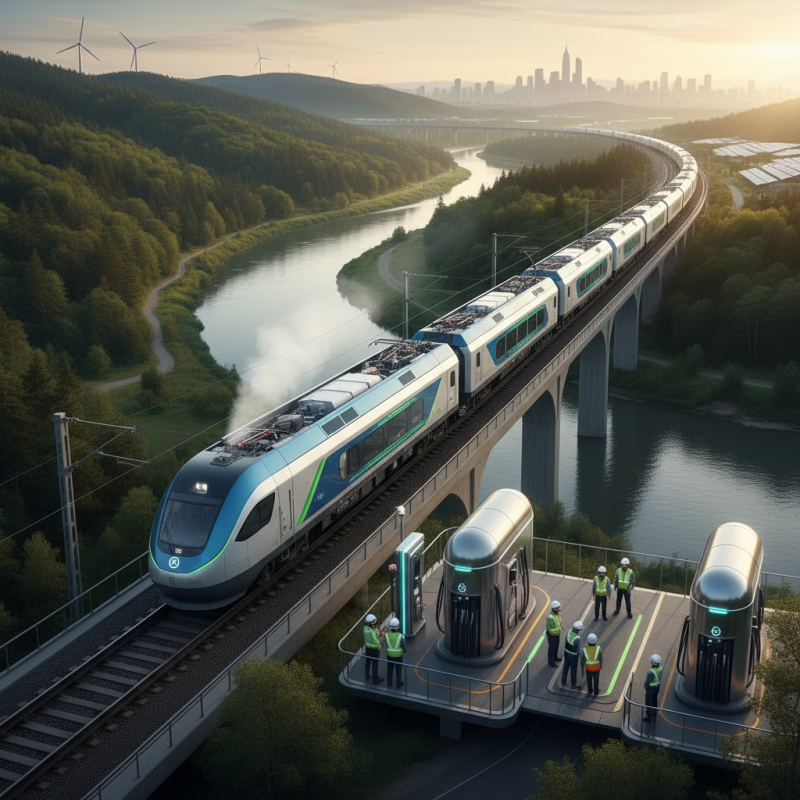
Hydrogen freight trains offer a compelling solution for sustainable shipping. These trains run on hydrogen fuel cells, which produce zero emissions. This drastically reduces the carbon footprint compared to traditional diesel locomotives. By harnessing clean energy, railways can significantly improve their environmental impact.
Moreover, hydrogen technology can enhance operational efficiency. Hydrogen fuel is less expensive than fossil fuels in various regions. As infrastructure develops, the cost can decrease further. This affordability may encourage more companies to switch to hydrogen trains. Additionally, these trains can cover long distances, making them practical for bulk shipping.
However, there are challenges to overcome. The hydrogen production process still requires energy input, raising questions about its sustainability. Not all hydrogen is created equal; the source matters. Furthermore, widespread infrastructure for refueling hydrogen trains is still in its infancy. Continuous investment and innovation are essential to improve the system reliability and efficiency. The future of hydrogen freight trains is promising, but it demands careful consideration of these factors.
Advantages of Hydrogen Freight Trains for Sustainable Shipping
Technical Innovations Driving Hydrogen Freight Train Development
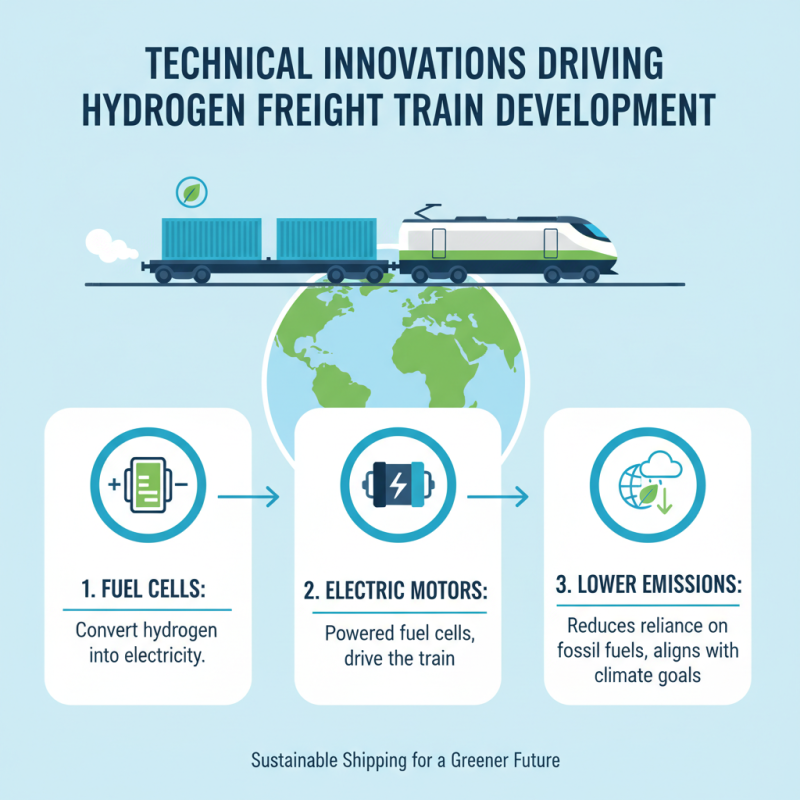
The development of hydrogen freight trains presents exciting technical innovations in sustainable shipping. Hydrogen-powered trains promise lower emissions compared to traditional diesel engines. These innovations often involve fuel cells, which convert hydrogen into electricity, driving the train's motors. This technology reduces dependence on fossil fuels and aligns with global climate goals.
Recent advancements include improved battery systems that enhance energy efficiency. Engineers are exploring lightweight materials to increase speed and optimize performance. However, challenges remain. For instance, the production and storage of hydrogen must be safely managed. Infrastructure for refueling needs significant investment. This brings forth questions about the scalability of hydrogen trains.
Deployment in various regions varies widely. Some cities embrace this technology, while others hesitate. Understanding local energy systems is crucial. Potential supply chain issues may arise in hydrogen production. Stakeholders must collaborate to address these hurdles. Embracing hydrogen technology requires a shift in mindset and infrastructure.
Infrastructure Requirements for Implementing Hydrogen Freight Trains
To effectively implement hydrogen freight trains, robust infrastructure is crucial. Rail networks must adapt to support the unique fuel systems of these trains. This includes dedicated refueling stations positioned at strategic intervals. Current platforms may not accommodate hydrogen as a fuel source, necessitating modifications. These upgrades require significant investment and commitment from stakeholders.
Additionally, safety measures for hydrogen storage and transport must meet strict regulations. Facilities must be designed to prevent leaks and ensure the safe handling of hydrogen. Training personnel on handling hydrogen technology is equally important. The workforce should be knowledgeable about the specific challenges of this clean energy source.
Moreover, the integration of hydrogen freight trains relies on collaboration among rail operators, energy suppliers, and regulatory bodies. Establishing clear guidelines can help streamline development. However, there are challenges such as public perception and resistance to change. Addressing these concerns will be vital for successful implementation in the long run.
How to Use Hydrogen Freight Trains for Sustainable Shipping Solutions? - Infrastructure Requirements for Implementing Hydrogen Freight Trains
| Dimension |
Description |
Importance |
| Hydrogen Production |
Methods for producing hydrogen, such as electrolysis and steam methane reforming. |
Essential for ensuring a sustainable and economical supply of hydrogen fuel. |
| Train Design |
Specifications for hydrogen-powered trains, including necessary technological adaptations. |
Critical for efficiency and performance in hydrogen freight operations. |
| Infrastructure Development |
Requirements for building stations, refueling points, and maintenance facilities. |
Necessary for operational feasibility and support of hydrogen freight trains. |
| Safety Protocols |
Regulations and safety measures related to hydrogenhandling and transport. |
Important for preventing accidents and ensuring worker safety. |
| Investment & Funding |
Financial resources needed for initial setup and technological development. |
Crucial for the launch and sustainability of hydrogen freight initiatives. |
Comparative Analysis of Hydrogen Freight Trains and Traditional Freight Systems
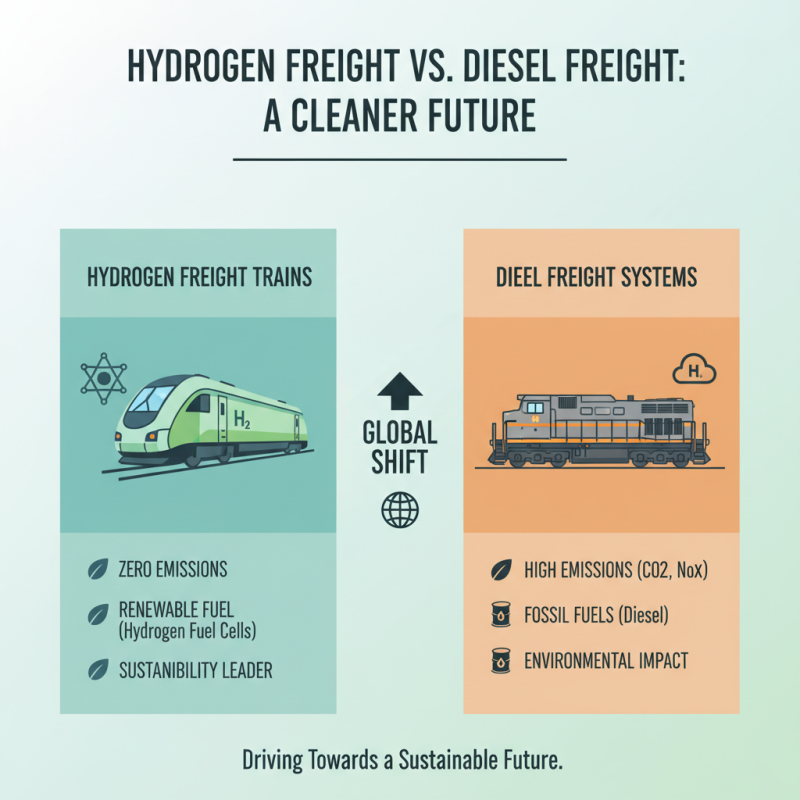
Hydrogen freight trains present a compelling alternative to traditional freight systems. Unlike diesel locomotives, hydrogen trains produce zero emissions, aligning with global sustainability goals. Their energy is derived from hydrogen fuel cells, which can be generated from renewable sources. This shifts the freight industry toward cleaner solutions and reduces reliance on fossil fuels.
However, the transition to hydrogen trains is not without challenges. Infrastructure for hydrogen refueling is still limited. Establishing a widespread network of fueling stations can be costly and time-consuming. Additionally, the current production methods for hydrogen can still leave a carbon footprint, depending on the energy source used.
In contrast, traditional freight systems rely heavily on diesel, contributing to greenhouse gas emissions and air pollution. While they have established infrastructure, the environmental cost is significant. The operational efficiency of hydrogen trains is also under scrutiny. Questions arise about their speed and load capacity compared to conventional trains. This comparative analysis reveals both the potential and the obstacles in adopting hydrogen technology for freight transportation.
Regulatory Challenges and Solutions for Hydrogen Freight Train Adoption
The transition to hydrogen freight trains offers a sustainable solution for shipping. However,
regulatory challenges pose significant barriers. Different countries have varying standards for
hydrogen infrastructure. This inconsistency complicates cross-border operations. Establishing universal regulations
is crucial for the industry's growth.
Safety regulations must also adapt to new technologies. Hydrogen's flammability presents unique risks. Regulatory bodies need to assess these
risks and develop comprehensive safety guidelines. Collaboration between governments and industry experts
can enhance safety measures. Continuous review of these regulations is necessary to keep pace with innovations.
Another challenge is funding for the necessary infrastructure. Developing green hydrogen production
facilities requires substantial investment. Public-private partnerships could help mitigate financial risks. Moreover, incentives for adopting
hydrogen trains could accelerate their integration. This requires thoughtful policy-making and stakeholder engagement.
The road ahead demands careful planning and collaboration to overcome these hurdles.