Navigating the complexities of airfreight logistics can be challenging for global buyers. With many factors to consider, understanding the nuances of airfreight is crucial. Effective logistics help ensure timely deliveries and cost efficiency. Buyers often feel overwhelmed by regulations, documentation, and shipping options.
Experience plays a vital role in optimizing airfreight logistics. Buyers must continuously adapt to changing market conditions and technology. Familiarity with airfreight processes can improve shipping strategies. Relying on expert advice and analytics can identify potential pitfalls and areas for improvement.
Reflecting on past shipments often reveals valuable insights. Mistakes, such as incorrect documentation or poor carrier choices, can lead to delays. Learning from these experiences enhances future logistics decisions. Embracing a proactive mindset helps global buyers succeed in their airfreight logistics endeavors.

Airfreight logistics can be complex for global buyers. Understanding this process is essential for smooth operations. The key is knowing how to navigate it effectively.
One important tip is to choose the right carrier. Factors like cost, speed, and reliability matter. Each carrier has its own strengths. Do your research. Collect quotes and compare services. This encourages informed decisions that save money and time.
Another critical point is to be aware of customs regulations. Each country has different rules. Compliance is vital to avoid delays. Misunderstanding regulations can lead to unexpected fines or lost shipments. It’s wise to consult experts or use reliable resources to stay updated.
Effective communication is also essential. Keeping in touch with suppliers helps track shipments. Miscommunications can lead to confusion and delays. Promptly sharing updates prevents problems. Remember, clarity can often mean the difference between success and failure in airfreight logistics.
| Tip Number | Logistics Tips | Explanation |
|---|---|---|
| 1 | Understand Incoterms | Familiarize yourself with International Commercial Terms to clarify responsibilities. |
| 2 | Choose the Right Airfreight Carrier | Assess carriers based on reliability, speed, and cost for your specific needs. |
| 3 | Proper Documentation | Ensure all shipping documents are complete to avoid delays in customs. |
| 4 | Consider the Weight and Volume | Calculate both dimensional and actual weight for cost optimization. |
| 5 | Know Your Insurance Options | Evaluate insurance policies to protect your cargo during transit. |
| 6 | Evaluate Your Supply Chain | Review your entire supply chain for efficiencies and cost savings. |
| 7 | Research Customs Regulations | Stay updated on customs regulations to prevent miscommunication and penalties. |
| 8 | Maintain Clear Communication | Contact all stakeholders regularly to ensure smooth logistics operations. |
| 9 | Use Technology for Tracking | Implement tracking solutions to monitor shipments in real-time. |
| 10 | Plan for Contingencies | Develop a plan for potential disruptions to minimize impacts on delivery. |
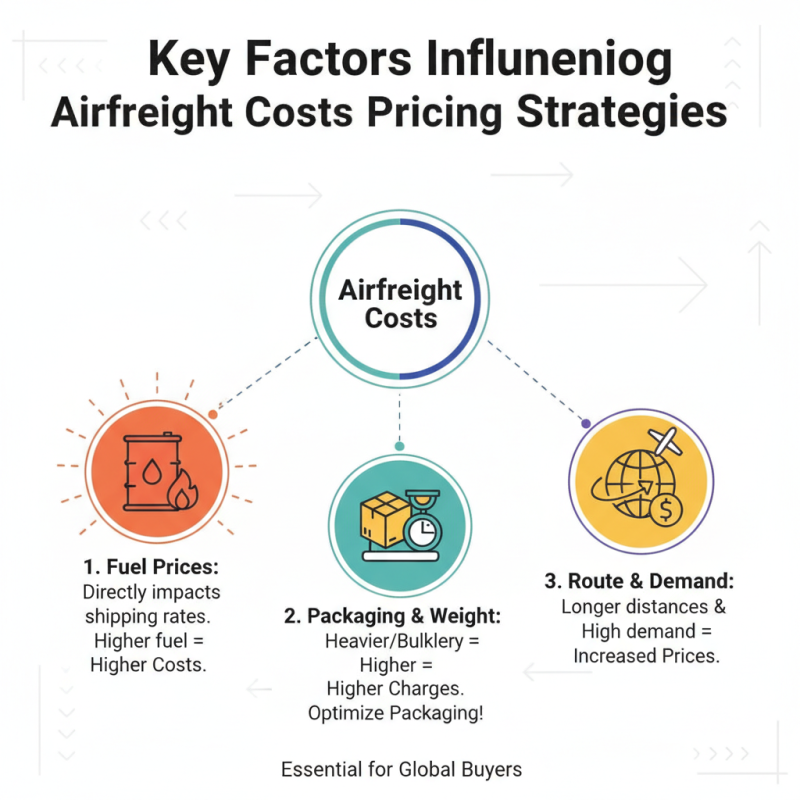
Understanding airfreight costs is essential for global buyers. Several key factors influence these expenses. Fuel prices significantly impact airfreight costs. When fuel prices rise, so do shipping rates. Additionally, analysis of packaging and weight is crucial. Heavier or bulkier shipments incur higher charges. It's beneficial to consider optimizing packaging to minimize costs.
Customs fees and tariffs also play a role. Each destination has its own regulations and charges. Staying informed about these can help in budgeting accurately. Another influential aspect is the time sensitivity of shipments. Expedited services often come at a premium price. Planning shipments in advance can help avoid rush fees.
Lastly, carriers’ pricing strategies vary. Some may charge based on demand fluctuations. Understanding these dynamics can lead to smarter decisions. Engaging in dialogue with logistics providers can offer insights. Each contract and rate should reflect your unique needs. Not all arrangements are perfect. Be prepared to reassess your logistics strategy regularly. Adaptation is key in the ever-changing airfreight landscape.
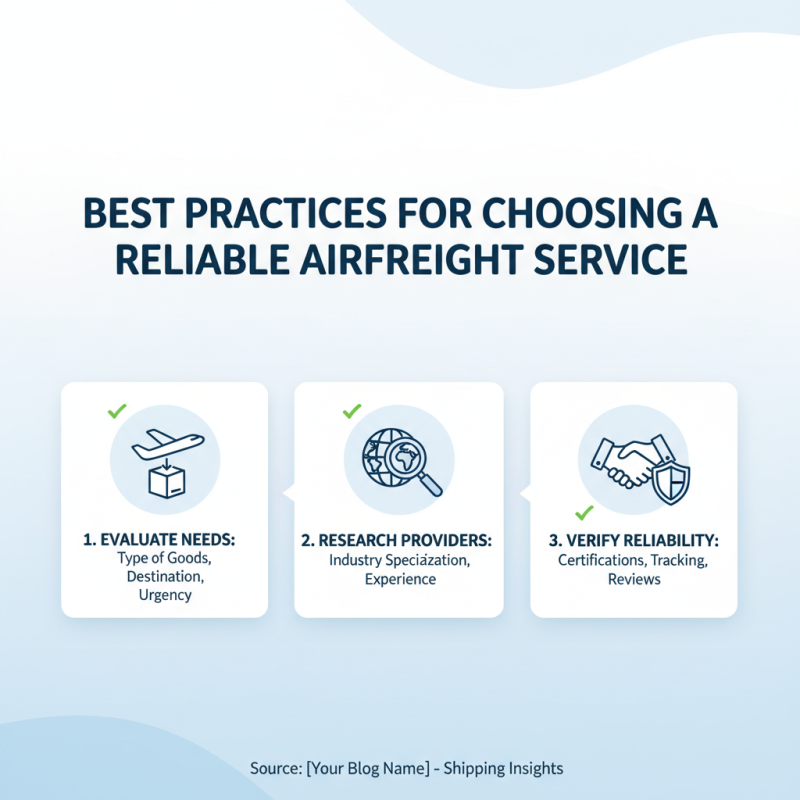
Choosing a reliable airfreight service provider can be challenging. Start by evaluating your specific shipping needs. Understand the type of goods you are transporting and the destination’s requirements. This information helps in selecting a provider that specializes in your industry. Look for companies that have experience in handling similar shipments.
Next, assess the provider's track record. Reviews and testimonials from other clients can provide insight into their reliability. Seek out feedback on delivery times and customer service. A prompt response to inquiries is a good indicator of professionalism. Reliable providers also keep customers informed during the shipping process. Communication is key in airfreight logistics.
Do not overlook the importance of compliance. Ensure that the provider adheres to international shipping regulations. Inquire about their procedures for handling goods in transit. A transparent company is often more trustworthy. It is essential to verify insurance coverage as well. Understand what is protected during transportation and any limitations involved. These factors can directly impact your logistics experience.
When engaging in international airfreight shipments, proper documentation is critical. Accurate documentation ensures smoother customs clearance, preventing unnecessary delays. According to the International Air Transport Association (IATA), over 27% of air cargo delays are due to incomplete or incorrect paperwork. Knowing the essential documents is crucial for global buyers to navigate this complex landscape.
Key documents include the Air Waybill (AWB), which serves as the contract between the shipper and carrier. The AWB outlines details of the shipment. Another necessary document is the commercial invoice, which provides details about the transaction. Import permits may also be required depending on the destination country. Buyers often find it challenging to gather all necessary documents, which can lead to confusion and mistakes.
Tip: Always double-check all documents before shipping. Familiarity with the specific requirements of each destination can save valuable time. Additionally, maintaining a checklist can help ensure nothing is overlooked. A mistake on any document can lead to shipment delays and increased costs. Keeping documentation organized prevents unnecessary headaches for global buyers.
Airfreight logistics is crucial for global buyers seeking efficiency. Optimizing transit times can significantly enhance supply chain performance. According to the International Air Transport Association (IATA), airfreight now accounts for over 35% of global trade by value. This underscores the importance of swift and efficient shipping methods in international business.
To reduce delivery times, consider route analysis. Shortening direct routes can save hours. The World Bank reported that improving logistics performance can boost economic growth, indicating the vital link between airfreight efficiency and broader economic drivers. Similarly, effective communication with logistics providers can mitigate delays. Frequent updates and tracking access empower buyers to respond swiftly to logistic issues.
Inventory management also plays a key role. Companies using just-in-time (JIT) inventory see faster turnover. However, this approach can lead to vulnerabilities, particularly in disruptions. Incorporating buffer stocks may enhance security without overburdening the system. Balancing efficiency and risk is essential in the ever-changing landscape of global airfreight logistics.