How to Optimize Intermodal Freight Train Efficiency in 2026?
Efficient intermodal freight train systems are crucial for the transportation sector. According to the Association of American Railroads, intermodal freight traffic accounts for nearly 25% of all rail volume in the United States. This number is expected to rise as e-commerce and global trade expand. However, optimizing this system requires innovative strategies.
As we look towards 2026, addressing bottlenecks in loading and unloading processes becomes essential. Current inefficiencies can lead to increased operational costs. For instance, a report from the American Transportation Research Institute highlights that delays in intermodal operations can cost companies up to $1 billion annually.
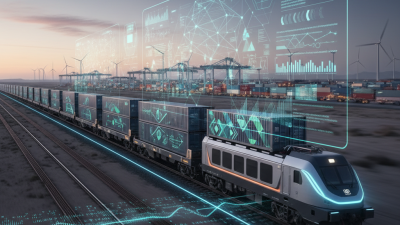
By focusing on technology adoption, such as automation in terminals and real-time tracking, stakeholders can enhance the performance of intermodal freight trains. However, these advancements also present challenges. Integration of new systems with existing infrastructure may reflect gaps in efficiency. A careful, data-driven approach is vital as the industry seeks to improve.

Strategies for Enhancing Intermodal Freight Train Schedule Reliability
Enhancing intermodal freight train schedule reliability in 2026 requires a multifaceted approach. One effective strategy involves utilizing real-time data analytics. By analyzing historical data, train operators can identify patterns and potential delays. This knowledge helps in adjusting schedules proactively. Incorporating automation can also minimize human error, allowing for smoother operations.
Collaboration is crucial. Freight carriers must work closely with terminals and shipping lines. This collaboration ensures that all parties are aligned on expectations and schedules. Frequent communication can help mitigate unexpected disruptions. Moreover, sharing best practices among industry players fosters innovation and growth.
Issues with infrastructure often lead to delays. Investing in modernizing railway infrastructure can significantly enhance schedule reliability. Upgrading tracks and signals can reduce bottlenecks. However, funding these improvements remains a challenge. Each of these strategies presents its own hurdles, requiring ongoing evaluation and adaptation to improve overall performance.
Utilizing Advanced Technology to Monitor and Improve Cargo Turnaround Times
Utilizing advanced technology to improve intermodal freight train efficiency is crucial in 2026. Real-time monitoring systems allow for precise tracking of cargo movement. According to a report from the American Association of Railroads, implementing automated monitoring could reduce cargo turnaround times by up to 30%. This could significantly enhance overall efficiency.
Data analytics plays a key role. By analyzing patterns in loading and unloading times, companies can identify bottlenecks. A study by FreightWaves indicated that predictive analytics could prevent delays in over 40% of shipments. These insights enable freight operators to address issues proactively. However, reliance on technology also has its challenges. System failures may lead to disruptions in services, undermining the efficiency gains.
Moreover, integrating Internet of Things (IoT) devices on trains and in terminals improves visibility. Sensor data can signal when maintenance is needed, reducing unexpected delays. Yet, implementing such systems requires investment. Smaller operators may struggle to keep pace with larger corporations. A balanced approach is essential to ensure equitable access to advancements.
Analyzing Cost-Benefit Metrics for Intermodal Operations in 2026
In 2026, intermodal freight operations will face intense scrutiny over cost-benefit metrics. Efficiency is not merely about reducing expenses, but also about enhancing service quality. Companies must analyze transportation routes, capacity utilization, and turnaround times. By examining these metrics, they can identify bottlenecks. For instance, delayed loading at ports can add significant costs.
Utilizing advanced analytics plays a crucial role. Data can pinpoint inefficiencies across supply chains. However, relying solely on data can mislead decision-makers. Human insights remain essential in interpreting analytics. Critically assessing the findings fosters a more dynamic operation. Collaboration among stakeholders also proves vital; each contributes unique data and perspectives.
The journey toward optimal intermodal efficiency is fraught with challenges. Companies must reevaluate their strategies regularly. Even small operational changes can yield unexpected benefits. The goal is to create a responsive system adaptable to market fluctuations. Such reflection on costs and impacts ensures sustainable operations in the long run.
Intermodal Freight Train Efficiency Metrics - 2026
Optimizing Rail and Port Infrastructure for Increased Cargo Capacity
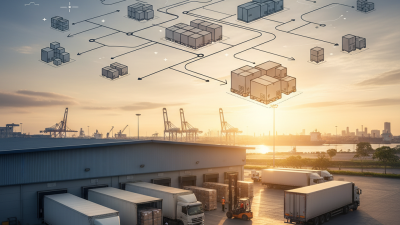
In 2026, optimizing rail and port infrastructure is crucial for enhancing intermodal freight train efficiency. Modern challenges require innovative solutions. Focusing on cargo capacity can transform operations. A seamless connection between rail and port facilities is vital. Upgrading loading and unloading systems can reduce turn-around times significantly.
Tips: Collaborate with local authorities to assess current infrastructure needs. Consider integrating automated systems for better tracking and efficiency. Regular assessments can highlight areas for improvement. It's essential to adapt to changing cargo demands.
Investing in advanced technologies can also play a role. Implementing smart sensors can enhance maintenance and predict service disruptions. However, confronting outdated systems remains a challenge. Resistance to change is common, but progress is crucial. Stakeholders must find common ground to move forward effectively.
Tips: Engage with industry experts during planning. Create platforms for feedback and ideas. Continuous learning will help improve infrastructure over time. Flexibility is essential as market needs shift rapidly. Focus on building a more efficient, resilient intermodal freight network for future success.
Integrating Sustainable Practices into Intermodal Freight Transportation
As intermodal freight transportation evolves, integrating sustainable practices becomes crucial for efficiency in 2026. Research from the International Energy Agency indicates that shifting freight from road to rail can reduce greenhouse gas emissions by up to 75%. Intermodal transport combines trucks and trains, offering both flexibility and a lower carbon footprint.
However, the sector faces challenges. A report by the American Association of Railroads notes that intermodal freight still relies on conventional energy sources. To truly optimize efficiency, companies must invest in electric locomotives and renewable energy. Additionally, understanding how to implement effective routing and scheduling can minimize delays.
Meanwhile, digital tools can support sustainability. Real-time tracking improves visibility. A recent study by McKinsey highlights that better data analytics can enhance decision-making. Yet, the industry struggles with tech adoption. Many companies remain cautious, hampering progress. Sustainable practices are not just an option; they are a necessity for future growth.