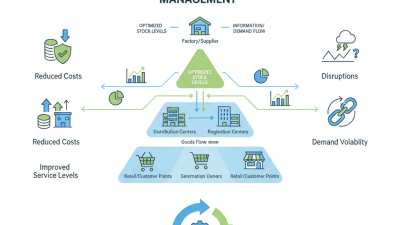
How to Optimize Multi Echelon Inventory for Global Supply Chain?
In today's global supply chain landscape, optimizing Multi Echelon Inventory is crucial for efficiency and cost management. Experts recognize the complexities involved in balancing stock levels across various locations to meet demand. Dr. Emily Tran, a renowned supply chain strategist, emphasizes, "Effective Multi Echelon Inventory management can drastically reduce costs while improving service levels."
Understanding the intricacies of Multi Echelon Inventory is essential. Companies often struggle with excess inventory at some echelons while facing shortages at others. This imbalance leads to lost sales and increased holding costs. Identifying the right inventory levels across multiple tiers can streamline operations and enhance profitability.
Optimization is not merely about numbers. It requires a deep dive into data, customer behavior, and market trends. Businesses must reflect on their existing strategies and adapt to evolving supply chain dynamics. The journey to effective Multi Echelon Inventory management is complex but rewarding, inviting continuous learning and improvement.

Understanding Multi-Echelon Inventory Systems in Global Supply Chains
Understanding multi-echelon inventory systems is crucial for global supply chains. These systems help manage inventory across various levels, ensuring that goods are available in the right locations. By optimizing inventory at each echelon, companies can reduce costs and improve service levels. This optimization requires a deep understanding of demand patterns and supply capabilities.
Effective management involves assessing lead times and stock levels at each position in the supply chain. For example, a manufacturer may need different inventory strategies for raw materials versus finished goods. Organizations must gather real-time data to adapt quickly to changing market demands. However, one common pitfall is over-relying on historical data. Past performance does not always predict future needs.
It’s also important to consider the environmental impact of inventory decisions. Excessive stock can lead to waste and increased carrying costs. Assessing the sustainability of stock levels should be an ongoing process. Moreover, considering local preferences can enhance inventory effectiveness. Tailoring inventory to specific regions shows a commitment to responsiveness and customer needs. Balancing these elements can be a challenging but necessary endeavor for today's supply chains.
Optimization of Multi Echelon Inventory in Global Supply Chains
Key Principles of Inventory Optimization Across Multiple Echelons
Optimizing multi-echelon inventory involves understanding various inventory levels throughout the supply chain. Each echelon, from suppliers to retailers, plays a pivotal role in inventory management. Effective inventory strategies must focus on demand forecasting, lead time variability, and service levels. Consider using advanced analytics for accurate demand predictions. This helps avoid excess stock and stockouts.
Collaboration among echelons is essential. Sharing data across all points enhances visibility. Visibility allows for better decision-making and quick responses to market fluctuations. Implementing safety stock levels with real-time data can balance costs and service levels. However, not all data sources are reliable. Regularly evaluate your data to avoid making decisions based on flawed information.
Take time to reflect on your current practices. Are you too reliant on historical data? The market landscape changes rapidly, and outdated models could lead to inefficiencies. Strive for continuous improvement. Embrace technology that provides insights into trends, but remember that human intuition still holds value. Balancing technology and experience is key in optimizing inventory across echelons.
Data Analysis Techniques for Effective Multi Echelon Inventory Management
Effective multi echelon inventory management relies heavily on robust data analysis techniques. It's vital to collect accurate data across all levels of the supply chain. Analyzing demand patterns allows companies to forecast inventory needs accurately. This not only boosts efficiency but also reduces excess stock. Properly tracking inventory at various locations is crucial. Without real-time data, decisions can become outdated quickly.
Utilizing tools like predictive analytics can enhance inventory optimization. These tools can analyze historical data and identify trends. However, companies should remain cautious. Relying too much on automated systems can lead to oversight of critical issues. Human judgment remains essential in evaluating the nuances of market changes. Collaborative planning with suppliers can also provide additional insight, ensuring alignment across the supply chain.
Another aspect to consider is the balance between stock levels and service levels. High service levels may require larger inventories, but this can increase holding costs. Striking the right balance is challenging. Continuous monitoring and adjustment based on performance metrics is necessary. This iterative process can lead to better decision-making over time. Emphasizing adaptability in strategies is key for successful inventory management.
Strategies for Balancing Supply and Demand in Global Supply Chains
Balancing supply and demand in global supply chains requires a thoughtful approach. Companies often struggle with demand forecasting. This can lead to excess stock or shortages. A key strategy is using data analytics which helps predict demand more accurately. Examining historical trends can reveal patterns that inform inventory decisions.
Another critical aspect is collaboration across the supply chain. When suppliers and distributors communicate openly, it improves inventory management. Shared insights prevent overstock situations and reduce lead times. However, achieving this collaboration can be challenging. Different companies may have varying priorities and communication styles.
Flexibility is also vital. Companies need to adapt quickly to changes in demand. This might involve adjusting order quantities or shipping times. Relying solely on historical data can be risky. Market trends can shift unexpectedly. Therefore, maintaining a buffer in inventory levels helps mitigate risks.
Despite these strategies, achieving perfect balance in inventory is often elusive. Businesses must continuously assess their approaches. Regular reviews can unveil areas needing improvement. This iterative process is essential in the ever-evolving global supply chain landscape.
Challenges and Solutions in Implementing Multi Echelon Inventory Optimization
Implementing multi-echelon inventory optimization represents a significant challenge for global supply chains. It's not just about managing stock; it involves understanding complex interactions among various inventory levels. According to a study by the Institute of Supply Chain Management, about 60% of companies struggle with visibility across their inventory networks. This lack of insight can lead to inefficiencies and heightened costs.
Data suggests that businesses can reduce overall inventory costs by 20–30% through effective multi-echelon strategies. However, the path is fraught with obstacles. For instance, integrating advanced analytics can be difficult due to fragmented data sources. Organizations often face resistance from stakeholders who fear change. Employees may also lack the necessary skills to leverage new technologies effectively, leading to underwhelming results.
Real-time data collection and demand forecasting are critical. Yet, many firms still rely on outdated methods. A survey highlighted that only 30% of organizations feel confident in their demand planning processes. This indicates a significant area for improvement. Embracing new technologies while fostering a culture of data-driven decision-making is essential for success. It isn’t just about having the tools; it’s about using them effectively.