Optimizing an Underbond Warehouse is crucial for businesses engaged in global procurement. According to a report from Frost & Sullivan, efficient warehouse operations can reduce logistics costs by up to 30%. These savings are essential in a competitive market, where every dollar counts. Industry expert, Sarah Thompson, noted, "An optimized Underbond Warehouse can significantly streamline import processes and enhance cash flow."
Managing an Underbond Warehouse involves complex regulations and operational challenges. Many companies underestimate the importance of compliance and inventory management. Neglecting these areas can lead to costly delays and penalties. More than 40% of warehouses in the U.S. are not maximizing their capacity, indicating room for significant improvement.
The journey towards optimization is not without its hurdles. Identifying bottlenecks and implementing technology solutions require time and investment. Yet, the benefits can transform procurement strategies and overall financial performance. Companies must constantly reflect on their processes and be ready to adapt for better outcomes in the evolving global landscape.
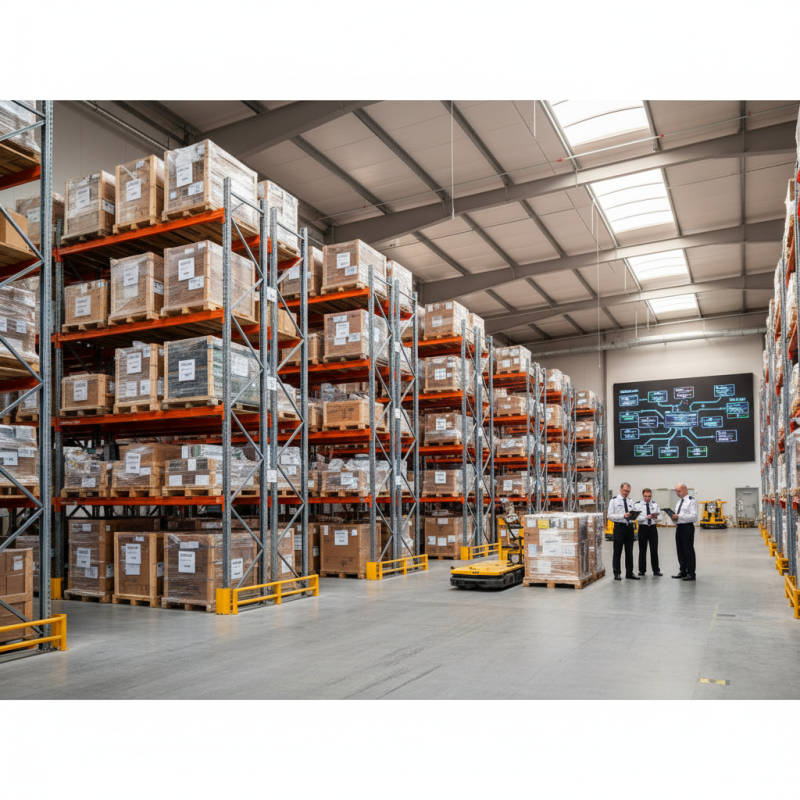
Underbond warehousing plays a vital role in global procurement. This concept allows companies to hold goods without paying import duties immediately. It provides flexibility in managing inventory and helps optimize cash flow. Businesses can store products in these warehouses while waiting for market demand to dictate when to pay the duties. This approach is especially useful for international supply chains.
Understanding the mechanics of underbond warehousing is crucial. Companies must ensure they have the right documentation to utilize these facilities. While the benefits are clear, challenges exist. For instance, managing the timeline of goods in the warehouse can be complex. Poor tracking can lead to additional fees or unexpected duties. Each region may have different regulations that need careful navigation.
A well-optimized underbond warehouse can enhance procurement strategies. It's essential to maintain clear communication with customs authorities. Regular audits and checks can prevent compliance issues. A reliable storage system can help track inventory levels and movements. Utilizing technology can simplify these processes. However, relying too heavily on automation without human oversight can lead to oversights. Balancing technology with human expertise is key.
Establishing an underbond warehouse requires careful planning and attention to detail. Key considerations include location, inventory management, and regulatory compliance. Choose a site near transportation hubs for efficient distribution. This aids in faster turnover and reduces shipping costs. Proximity to ports or airports can also enhance logistics flexibility, critical for global procurement.
Inventory management is vital. Implement a robust tracking system to monitor stock levels. This ensures timely reordering and minimizes waste. Keep accurate records of inbound and outbound shipments. Regular audits can reveal discrepancies and help in addressing inefficiencies. Utilizing technology can enhance accuracy and speed in managing inventory.
Compliance with local regulations cannot be overlooked. Understanding customs procedures helps in avoiding delays. Staff training on relevant laws is essential. Ensuring that your team understands the nuances of compliance can prevent costly mistakes. Regularly review your operations to adapt to changing regulations and improve overall efficiency. Balancing efficiency with thorough oversight is a continual process, requiring constant reflection and adaptation.
| Consideration | Description | Importance | Examples of Best Practices |
|---|---|---|---|
| Location & Accessibility | Select a site near major transport hubs for easier imports and exports. | High | Proximity to airports, ports, and highways. |
| Regulatory Compliance | Ensure adherence to local and international customs regulations. | High | Regular audits and staff training programs. |
| Technology Integration | Utilize warehouse management systems (WMS) for efficiency. | Medium | Implementing automated inventory tracking. |
| Inventory Management | Maintain optimal stock levels to avoid shortages and overstock. | High | Just-In-Time (JIT) inventory practices. |
| Staff Training | Train staff on warehouse operations and safety protocols. | High | Regular workshops and simulation exercises. |
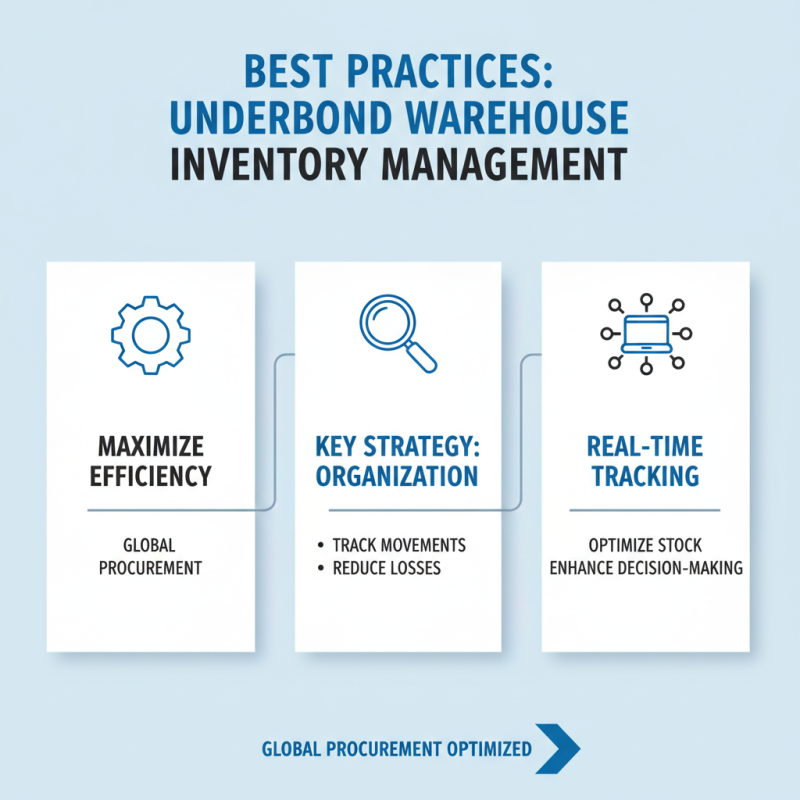
Maximizing efficiency in underbond warehouses is essential for global procurement. One key strategy is effective inventory management. An organized system helps track inventory movements and reduces losses. Consider implementing a real-time inventory tracking solution. This can optimize stock levels and enhance decision-making.
Tips: Regular audits ensure that inventory records match physical stock. Engage staff during audits for accurate reporting. Encourage them to share insights on inventory issues.
Another important aspect is categorizing inventory based on its movement. Fast-moving items should be easily accessible. Slow-moving stock may require different storage strategies. This classification can reduce handling time and improve overall efficiency.
Tips: Use color-coded labels for quick identification. Train staff on the importance of proper labeling and storage. This practice can also minimize confusion during high-activity periods.
Reflecting on past inventory management practices can highlight areas for improvement. Analyze past discrepancies to prevent future occurrences. Having a continuous improvement mindset is crucial in an ever-evolving market.
When optimizing your underbond warehouse for global procurement, understanding regulatory compliance and customs requirements is crucial. Each country has specific rules that can affect your operations. Missing these details can lead to delays and unexpected costs. Regular audits of your compliance status can help avoid these pitfalls.
Tips for maintaining compliance include keeping documents organized. Ensure all import and export paperwork is complete. It’s also wise to stay updated on local regulations. Changes can occur frequently, impacting your business operations. Training your team on compliance standards is beneficial. They become your first line of defense against potential violations.
Consider employing a compliance consultant. Their expertise can guide you through complex regulations. A simple mistake, like incorrect declarations, can result in hefty fines. Be mindful of all customs requirements for your goods. Reflection on past compliance issues can reveal improvement areas. Proactive measures will enhance your global operations.
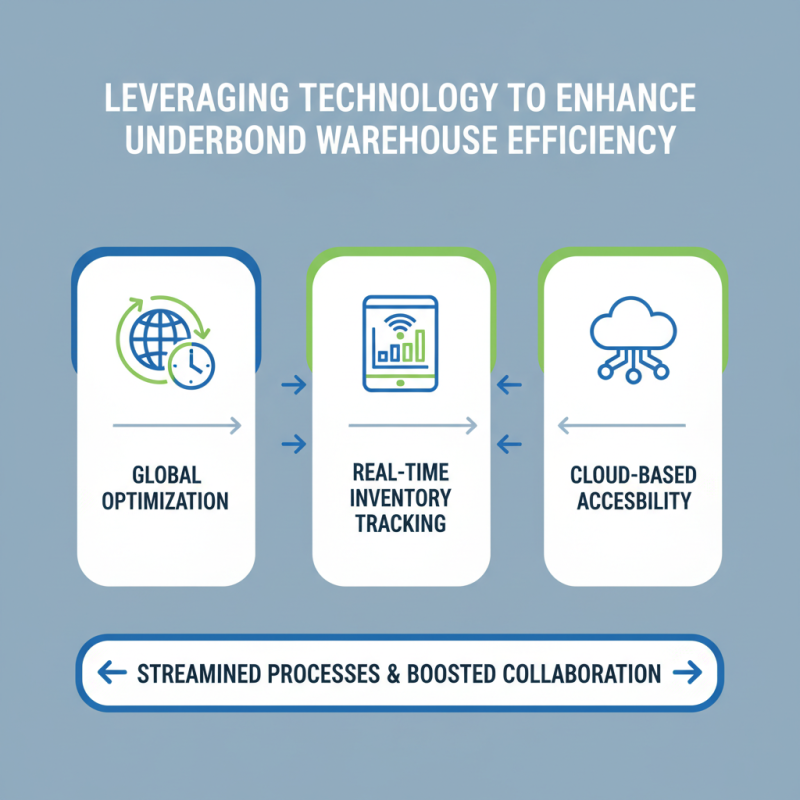
In today's fast-paced global market, optimizing an underbond warehouse is essential for procurement efficiency. Leveraging technology plays a crucial role in this. Modern inventory management systems can track goods in real-time. This ensures that items are always in the right place at the right time. A cloud-based solution gives stakeholders access from anywhere. This connectivity streamlines processes and boosts collaboration between teams.
Automation is another key factor. Automated picking systems reduce human error and speed up order fulfillment. Technology can also analyze data for better decision-making. For instance, predictive analytics can forecast demand. This data-driven approach minimizes excess inventory, which can lead to wastage. However, transitioning to such systems requires careful planning. There could be resistance from staff accustomed to traditional methods.
Regular training and feedback loops are vital. Staff may feel overwhelmed with new technology initially. It is essential to address their concerns and make adjustments as necessary. This ensures a smoother transition and maximizes the benefits of technological integration. Balancing high-tech solutions with the human element creates a robust underbond warehouse.