How to Utilize Underbond Warehouse for Global Procurement?
Global procurement is evolving, and the role of "Underbond Warehouse" is becoming increasingly significant. As highlighted by industry expert Daniel McCarthy, "Utilizing underbond warehouses can streamline costs and enhance supply chain efficiency." This statement underlines the importance of understanding their functions and benefits.
Underbond warehouses provide unique advantages for businesses engaged in international trade. They allow goods to be stored without immediate duty payment, improving cash flow. This flexibility aids companies in managing inventory effectively across borders. However, the complexities of regulations surrounding these warehouses require careful navigation.
The path to optimizing underbond warehouse usage is not without its challenges. Many companies struggle with compliance, potentially facing penalties. Reflecting on these hurdles is essential for businesses looking to leverage this procurement strategy fully. By learning from industry best practices and consulting experts, organizations can tap into the full potential of underbond warehouses.

Understanding Underbond Warehousing and Global Procurement Needs
Underbond warehousing plays a crucial role in global procurement. It allows businesses to store imported goods without paying duties until the goods are released. This can significantly reduce upfront costs and improve cash flow. Understanding this mechanism is essential for large-scale procurement strategies.
Tips for effectively using underbond warehouses:
- Careful inventory management: Regularly monitor stock to ensure optimal levels that meet demand without overstocking.
- Engage with a reliable logistics provider: This can streamline the import and release process, mitigating delays and unexpected costs.
Additionally, consider the impact of local regulations. Compliance is vital. Ensure that your team is well-informed about various laws governing warehousing and customs in different regions. This awareness can prevent costly mistakes and enhance operational efficiency. Always reconvene after every procurement cycle to review what worked and what didn’t. This reflection can lead to better strategies in future operations.
Benefits of Utilizing Underbond Warehouses in Global Supply Chains
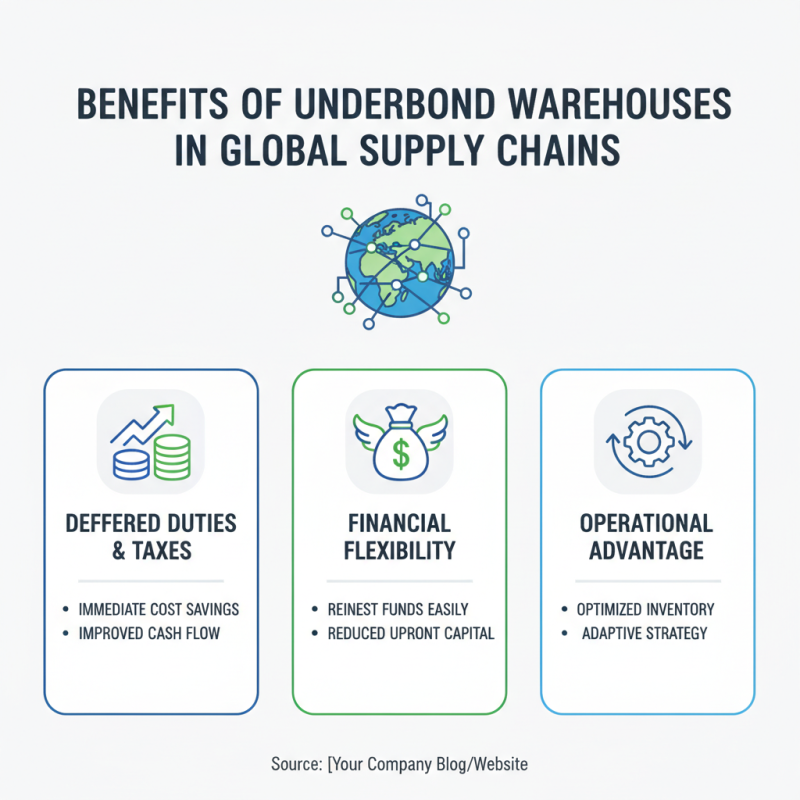
Underbond warehouses play a pivotal role in global supply chains. These facilities allow businesses to store goods without immediate payment of duties and taxes. This can lead to significant cash flow advantages. By deferring costs, companies can allocate funds to other areas, enhancing operational flexibility.
One key benefit is reduced inventory costs. Storing products in underbond warehouses means that businesses can manage stock levels more effectively. They can respond to demand fluctuations swiftly. This adaptability is crucial in today’s fast-paced market. It can also help prevent overstock situations, which leads to wasted resources.
**Tips:** When using underbond warehouses, carefully assess your supply chain strategy. Identify peak demand periods and adjust inventory levels accordingly. Building relationships with warehouse operators is vital. Effective communication can lead to better service and reliability. Consider the logistical aspects, such as transportation times, to improve overall efficiency. Implementing these practices may reveal areas for improvement in your procurement strategies.
Step-by-Step Process for Setting Up Underbond Warehousing
Underbond warehousing presents an efficient solution for global procurement. The step-by-step process of setting up such warehouses can streamline operations and reduce costs significantly. According to a report by the World Bank, proper warehousing can cut total logistics costs by up to 20%.
Understanding regulations is crucial. What are the requirements for establishing an underbond warehouse? It's vital to consult local customs authorities. Regulations can vary greatly between regions. Ensuring compliance can prevent costly penalties.
Tip: Always maintain clear communication with logistics partners. This helps in navigating any complications that may arise. Document all processes meticulously. A lack of transparency can lead to misunderstandings.
Security within the warehouse is another aspect to consider. Technology, such as surveillance systems, proves essential to protect inventory. While initial investment may seem steep, the long-term benefits are substantial. A report from the International Logistics Association suggests that secure facilities can lower theft rates by over 15%.
Reflect on your warehouse's layout. Is it optimized for efficiency? Consider how goods flow within the space. An inefficient layout increases handling time and costs. Regularly reassess this to maintain performance.
Regulatory Considerations for Underbond Warehousing in Global Trade
Underbond warehousing offers significant advantages for companies involved in global procurement. However, it comes with regulatory complexities that cannot be overlooked. One key regulation involves compliance with customs laws in each operating country. Each nation has specific requirements regarding documentation and duties. Failure to adhere to these can lead to severe penalties. Companies should invest time to understand these regulations fully.
Moreover, the location of underbond warehouses is crucial. Different regions may impose varying tax structures and import duties. Therefore, businesses need to analyze the financial implications of operating in different areas. Communication with local authorities is essential to ensure compliance. Stay updated on any changes in regulations, as this landscape is dynamic and can impact procurement strategies.
Managing inventory in underbond warehouses requires accurate tracking. Companies should employ robust inventory management systems. This helps maintain compliance while optimizing storage costs. Regular audits may also be necessary but can complicate operations. Balancing compliance and operational efficiency is an ongoing challenge. Ultimately, understanding the regulations surrounding underbond warehousing is vital for successful global trade initiatives.
How to Utilize Underbond Warehouse for Global Procurement? - Regulatory Considerations for Underbond Warehousing in Global Trade
| Aspect |
Description |
Regulatory Impact |
Compliance Requirements |
| Definition of Underbond Warehouse |
A facility where goods can be stored without payment of duties. |
Regulations vary by country; compliance is necessary to avoid penalties. |
Licensing, monitoring of inventory, and reporting to authorities. |
| Benefits |
Cost savings on duties, improved cash flow for procurement. |
Requires careful planning to align with local laws. |
Regular audits and proper documentation of stored goods. |
| Considerations for Global Trade |
Understanding the specific regulations of each country involved. |
Potential trade barriers and varying compliance standards. |
Knowledge of international trade laws and adherence to local regulations. |
| Risks |
Risk of non-compliance leading to financial penalties. |
Scrutiny by customs and potential for audits. |
Ensure regular training for staff on compliance practices. |
| Technology in Warehousing |
Utilization of inventory management systems and tracking tools. |
Helps in maintaining compliance through accurate record-keeping. |
Regular updates and training for personnel on new technologies. |
Strategies for Optimizing Inventory Management in Underbond Warehouses
Underbond warehouses provide unique opportunities for inventory management in global procurement. These facilities allow businesses to store goods without paying customs duties until the goods are released into the market. This deferred payment can improve cash flow and reduce financial risks. However, optimizing inventory in these settings requires thoughtful strategies.
Effective inventory management starts with accurate forecasting. Companies must analyze demand trends and historical data. This insight helps to minimize stockouts or overstock situations. Utilizing technology for real-time tracking is crucial. Reliable software can provide insights into stock levels and turnover rates. Still, many companies struggle with implementing and maintaining these systems.
Collaboration with supply chain partners can further enhance inventory strategies. Building strong relationships encourages transparency and better information sharing. Regular communication can mitigate risks associated with delays or shortages. Yet, not all companies prioritize this collaboration. Continuous reflection on these relationships is vital for improvement. Fostering trust and mutual benefit can lead to more robust inventory management in underbond warehouses.
Optimizing Inventory Management in Underbond Warehouses
This bar chart illustrates the average inventory turnover rates for different product categories in underbond warehouses, showing how effective inventory management strategies can enhance global procurement efficiency.