Top 10 Tips for Efficient Railway Freight Shipping Solutions?
In the ever-evolving logistics landscape, efficiency is paramount. Railway Freight remains a critical component for shippers worldwide. Industry expert, Dr. John Baker, notes, "Optimizing railway freight solutions can significantly reduce costs and increase reliability." This sentiment illustrates the importance of strategic planning in rail logistics.
Efficient railway freight shipping can transform supply chains. The key lies in understanding operational intricacies and maximizing resource use. Many companies overlook factors that could boost performance, such as route optimization and technology integration. These improvements require thoughtful analysis and practical adjustments.
As we explore the top ten tips for effective railway freight solutions, we must reflect on common pitfalls. Reliance on outdated methods can hinder progress. Addressing inefficiencies invites innovation and improvement. Embracing change is crucial in enhancing the Railway Freight industry.

Understanding Railway Freight Shipping and Its Importance
Railway freight shipping plays a vital role in global commerce. It efficiently transports bulk cargo over long distances. This method is not only cost-effective but also environmentally friendly. Understanding its significance can enhance logistics operations across various industries.
When considering efficient railway freight shipping, planning is essential. Identify the right routes and schedules. This can reduce delays and optimize costs. Keep in mind that unpredictable factors can disrupt these plans. Weather, maintenance issues, and other logistics can affect train schedules. Flexibility is key in addressing such challenges.
Communication with all stakeholders is equally important. Sharing updates about the freight status can prevent misunderstandings. Additionally, using technology can streamline tracking and management processes. Digital tools offer real-time information, helping to make informed decisions. Regularly assess your shipping methods for continuous improvement. Identify shortcomings and work on solutions to enhance efficiency, as every detail matters in refining freight solutions.
Key Factors Influencing Efficient Railway Freight Solutions
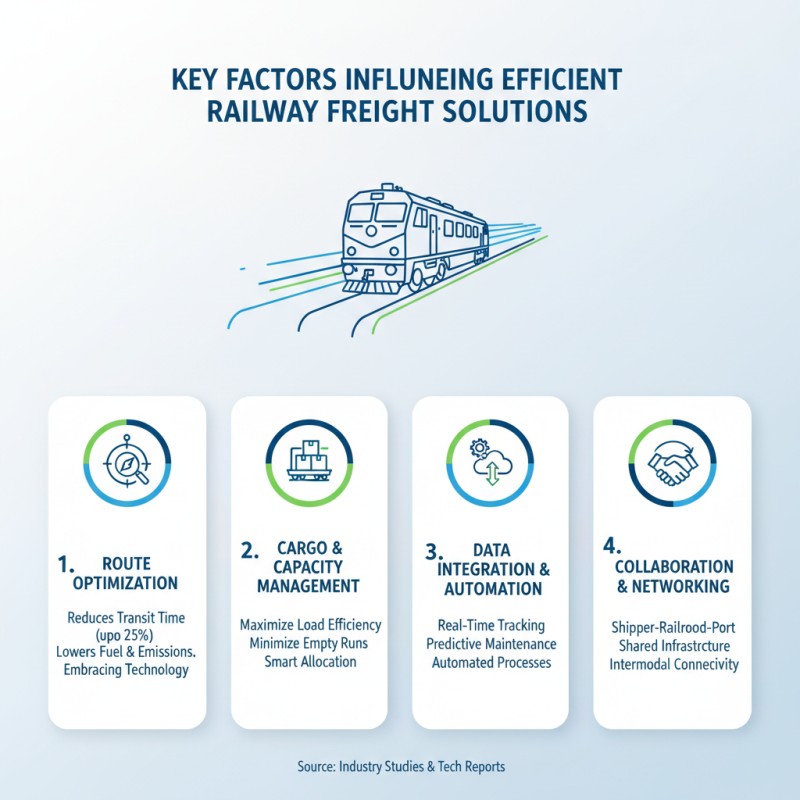
Efficient railway freight solutions depend on several key factors. First, route optimization plays a critical role. Studies show that optimized routes can reduce transit times by up to 25%. This reduction not only saves time but also lowers fuel costs and carbon emissions. However, many companies still rely on outdated routing methods. Embracing technology can bridge this gap.
Another important factor is real-time tracking. According to a recent industry report, over 70% of shippers indicate that visibility is crucial for improving service delivery. However, a lack of proper tracking systems leads to delays and misplaced cargo. Investing in advanced tracking solutions can enhance transparency. Yet, the implementation costs deter some businesses.
Lastly, collaboration among stakeholders is vital. Effective communication between rail operators, shippers, and freight forwarders can streamline operations. In fact, studies reveal that companies with strong partnerships achieve 15% higher efficiency. Unfortunately, despite these benefits, many organizations still operate in silos. A cultural shift toward collaboration is necessary for growth.
Strategic Planning for Optimal Railway Freight Operations
Strategic planning is essential for optimal railway freight operations. Businesses must analyze their supply chain needs carefully. This includes evaluating routes and timing for efficiency. A report from the Association of American Railroads shows that freight trains can move a ton of cargo for about 480 miles on a single gallon of fuel. This statistic highlights the environmental benefits of rail transport.
Effective forecasting is crucial. Companies should leverage data analytics to predict demand accurately. Inaccurate predictions can lead to overcapacity or underutilization of resources. The Rail Freight Group noted that 76% of freight traffic is concentrated in urban areas. This concentration requires tailored solutions to handle peak demands effectively.
Collaborative partnerships enhance operational efficiency. Sharing resources with local freight companies can reduce costs. Many businesses overlook the importance of communication in logistics. Timely updates on shipment statuses can prevent bottlenecks. Investing in technology, like real-time tracking, can help mitigate these risks. Nonetheless, reliance on technology must be balanced with human oversight.
Implementing Technology in Railway Freight Shipping
Implementing technology in railway freight shipping is vital for enhancing efficiency. A recent report by the International Union of Railways indicates that digitization can reduce operational costs by up to 30%. This data highlights the importance of adopting advanced technologies to streamline processes.
AI and big data analytics play a crucial role in optimizing logistics. These tools can predict demand patterns, ensuring that capacity meets requirements. According to a study from Deloitte, 80% of logistics companies are investing in predictive analytics. This trend reflects the industry's shift towards data-driven decision-making.
However, challenges remain. Many companies struggle with integrating new technologies into existing systems. A report from McKinsey reveals that 70% of digital transformations fail due to resistance to change. Addressing this issue requires a cultural shift within organizations to embrace innovation. Enhancing training and support for staff can facilitate smoother transitions.
Best Practices for Cost-Effective Railway Freight Management
In today’s competitive logistics environment, efficient railway freight management is crucial. The strategic use of railway shipping can significantly reduce costs. According to the Association of American Railroads, freight railroads move one ton of freight an average of 456 miles per gallon of fuel. This efficiency helps lower overall transport costs.
Monitoring your supply chain is essential. Implement real-time tracking for visibility. This can help identify bottlenecks early. Data shows that over 40% of shipping delays stem from poor tracking and communication. Incorporating predictive analytics can minimize these risks. Regular training for staff on best practices in freight management enhances operational efficiency.
Invest in proper load planning. Optimizing space can reduce costs. TRAC Intermodal estimates that inefficient loading can increase shipping costs by 10%. By utilizing intermodal solutions, shippers can cut costs further. Ensure proper scheduling as well. Poor scheduling can lead to overcapacity in specific routes. Regular assessments of shipping routes can save money and time.
Top 10 Tips for Efficient Railway Freight Shipping Solutions
| Tip Number |
Best Practice |
Description |
Estimated Cost Savings (%) |
| 1 |
Optimize Loading Procedures |
Ensure cargo is loaded efficiently to maximize container use. |
15% |
| 2 |
Utilize Technology |
Implement tracking software to monitor freight movements. |
10% |
| 3 |
Regular Maintenance of Equipment |
Maintain railcars and locomotives to prevent delays. |
5% |
| 4 |
Train Staff Effectively |
Provide training for staff on best practices in freight handling. |
7% |
| 5 |
Choose Optimal Routes |
Analyze data to select the most efficient transportation routes. |
12% |
| 6 |
Consolidate Shipments |
Combine multiple shipments to reduce costs. |
20% |
| 7 |
Implement Just-In-Time Shipping |
Reduce inventory costs by aligning shipments with delivery times. |
8% |
| 8 |
Negotiate Carrier Contracts |
Work with carriers to find cost-effective pricing. |
10% |
| 9 |
Monitor Performance Metrics |
Evaluate freight performance to identify areas for improvement. |
6% |
| 10 |
Enhance Communication |
Ensure clear communication among all stakeholders. |
4% |