
How to Ship Freight by Intermodal Train in 2026?
Shipping freight by rail in 2026 can help control long-distance costs and reduce highway mileage, but the process takes careful coordination. An Intermodal Freight Train carries containers or trailers between rail terminals, while trucks usually handle pickup and final delivery. The handoffs matter.
A shipment often starts with practical checks: cargo weight and dimensions, origin and destination, delivery deadline, and available equipment. Shippers then compare routes and service options, request a carrier or logistics-provider quote, and confirm terminal cutoffs. A container may look spacious, but uneven weight or poorly secured cargo can create problems before it reaches the ramp. Small details matter.
Booking is only one part of the work. Pickup timing, shipping documents, packaging, cargo readiness, and delivery appointments all need attention. Transit estimates can change with terminal congestion, weather, or service disruptions, so a quoted date should not be treated as a guarantee. Check current carrier requirements and operating schedules before loading; details can vary by route and equipment. That takes planning.
This guide explains how to assess a shipment, choose an intermodal service, prepare cargo, arrange drayage, and track progress through delivery. It also points out where costs and timing can be less predictable. No route is perfect, and a lower quote may not fit a tight deadline. A cautious comparison can prevent expensive surprises.
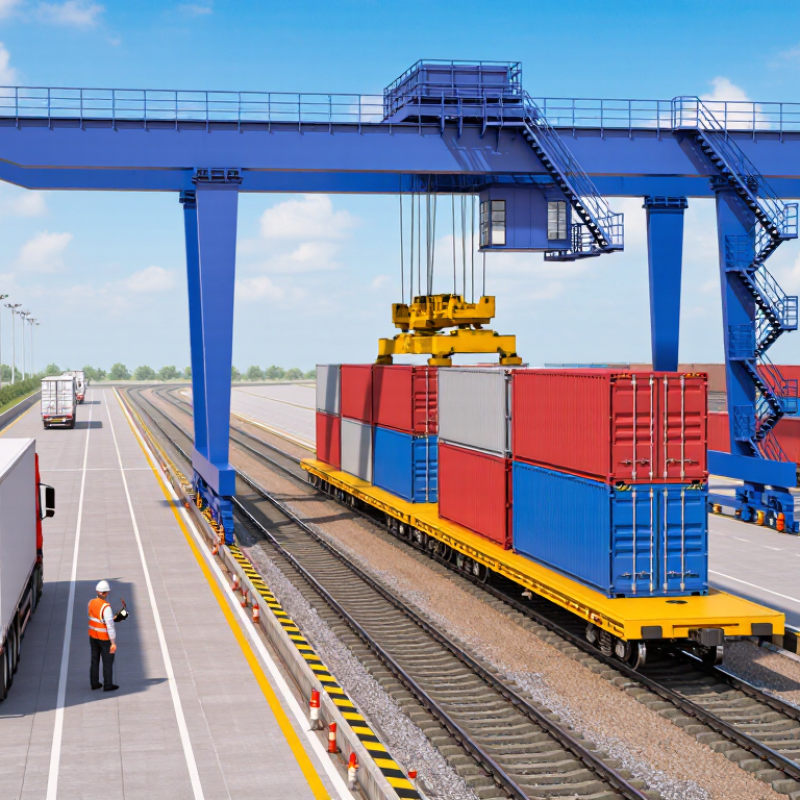
Determine Whether Intermodal Rail Fits Your Freight
Intermodal rail is worth testing when freight can follow scheduled departures and tolerate a longer transit window. Start with the lane, not a mileage rule. Note weekly container volume, pickup and delivery windows, terminal distance, and available inventory days. A short haul with lengthy drays may erase line-haul savings. A steady, longer lane may be a better fit. These are screening signals, not guarantees.
Compare door-to-door quotes, including drayage, terminal handling, fuel charges, and the cost of extra transit days. The Association of American Railroads’ 2024 reporting says freight rail can move one ton nearly 500 miles on a gallon of fuel. That national average is useful context, not a promise for any shipment; local routes, equipment, and empty repositioning affect results. Check the actual schedules and recent on-time performance for both terminals. Keep a little slack. A tight delivery window or irregular weekly volume can make truck service more dependable, even when rail looks cheaper on paper. And the comparison can be imperfect: forecast volumes often differ from what actually ships.
How to Ship Freight by Intermodal Train in 2026? — Determine Whether Intermodal Rail Fits Your Freight
| Decision factor | Intermodal rail is more likely to fit when… | A different option may fit better when… | What to verify before booking |
|---|---|---|---|
| Shipment distance | The freight travels a long domestic distance and can use rail for the main portion of the journey. | The shipment is short-haul, or rail access and transfers add more time or cost than they save. | Compare complete door-to-door quotes for the specific lane, including pickup, delivery, terminal handling, and accessorial charges. |
| Origin and destination access | Both locations can be served by a practical combination of truck drayage and intermodal terminals. | A facility is far from a suitable terminal, has difficult truck access, or requires several extra transfers. | Confirm terminal availability, drayage distance, appointment requirements, operating hours, and delivery access. |
| Delivery schedule | The delivery window can accommodate the quoted transit plan and normal schedule variability. | The freight needs a firm, very short transit time or has little tolerance for delays. | Check the current lane-specific schedule, cutoff times, estimated terminal dwell, and contingency plans. Transit times vary by route and conditions. |
| Shipment frequency and volume | Freight moves regularly or can be consolidated into equipment and service options available on the lane. | Loads are irregular, very small, or do not match available equipment and booking requirements. | Ask about equipment availability, minimum requirements, tender lead time, and whether partial or consolidated freight is accepted. |
| Freight characteristics | The cargo is suitable for secure loading in an approved container or trailer and can tolerate the planned handling. | The freight is unusually fragile, oversized, temperature-sensitive, or requires specialized handling not offered on the route. | Confirm equipment dimensions and payload limits, loading method, blocking and bracing, temperature controls, and handling restrictions. |
| Weight and legal limits | The loaded equipment complies with applicable rail, road, axle, and jurisdictional limits for every part of the move. | The cargo’s weight distribution or dimensions cannot meet equipment or local trucking restrictions. | Provide accurate cargo weight and dimensions; verify gross, axle, and route-specific limits with the carrier and drayage provider. |
| Cost priorities | A lane-specific quote shows a useful total-cost advantage after all pickup, rail, terminal, and delivery charges are included. | Extra handling, storage, or drayage costs remove the expected savings. | Compare like-for-like quotes and review fuel-related charges, accessorials, storage rules, detention, and free-time terms. |
| Emissions objectives | Reducing transportation emissions is a priority and the rail route can replace a meaningful portion of truck mileage. | The route requires extensive truck detours or the shipment’s specific emissions requirements cannot be verified. | Request an estimate based on the actual route, equipment, weight, and transport legs; emissions vary by operating conditions and methodology. |
| Regulated or restricted cargo | The commodity is accepted by the service and meets all applicable packaging, documentation, and operating requirements. | The freight is prohibited, restricted, or cannot meet the rail operator’s requirements or applicable regulations. | Disclose the commodity and any hazardous-material status before booking. Confirm acceptance, documentation, labeling, and route restrictions. |
| Damage and cargo protection | The freight can be properly secured and the shipper can manage the additional transfer and handling points. | The cargo is highly sensitive to movement, handling, moisture, or temperature changes without suitable protection. | Use appropriate packaging and load securement; document condition and clarify cargo liability, insurance, and claims procedures. |
Practical check: Intermodal service combines truck pickup and delivery with rail transportation. Evaluate the full door-to-door move on the exact lane; availability, transit, equipment, restrictions, and pricing can change by route and shipment.
Related Posts
-

How to Optimize Your Intermodal Freight Train Shipping Efficiency?
-
Top Intermodal Train Stations for Global Trade
-
2026 Top Railway Freight Types for Global Buyers
-

2026 Top Trends in Container Transport What to Expect in the Future
-
China Best Multi Echelon Inventory Solutions for Efficient Supply Chain Management?
-
What is Tk Logistics And Warehousing Benefits for Global Buyers?