Top Railway Freight Services for Efficient Cargo Transportation?
Efficient cargo transportation is vital for global trade. Railway freight has emerged as a critical solution. It offers reliable and cost-effective services for moving goods. This mode of transport reduces road congestion and pollution. With dedicated railway freight routes, businesses can enhance their supply chains.
However, challenges exist. Service inconsistencies can affect delivery times. Infrastructure limitations in some regions hinder efficiency. While railway freight is generally reliable, occasional delays can occur. This unpredictability can impact businesses relying on timely shipments.
Improvements are underway. Technologies like real-time tracking are being integrated. These advancements aim to enhance transparency and reliability. When executed correctly, railway freight can be a game-changer. Recognizing both strengths and weaknesses is essential for businesses. It's a journey of continual enhancement in cargo transportation.
Top Railway Freight Services Overview and Market Trends
The railway freight sector is experiencing notable growth in response to rising global trade demands. According to a 2023 report by the International Railway Association (IRA), freight volumes in the railway sector increased by 5.2% year-on-year. Efficient transport solutions are key for businesses competing in today’s market. More than ever, shippers seek expedited options that align with sustainability goals.
Market trends indicate a shift towards digitalization. Advanced tracking systems are now standard. They improve real-time visibility for shippers. Reports show that 78% of operators are investing in technology to enhance transparency and reduce delays. This trend presents exciting opportunities but also significant challenges. Adapting workforce skills to handle new technologies may require substantial investment.
Cost-efficiency remains a critical focus. In 2022, operational costs rose by an average of 3.5% across the sector. This puts pressure on operators to optimize routes and schedules. Nonetheless, inefficiencies persist. A study highlighted that nearly 30% of rail freight journeys experience delays, which can impact reliability. Continuous improvement in performance metrics is essential in this highly competitive landscape.
Top Railway Freight Services Overview
This chart depicts the cargo volume handled by various top railway freight services. The data presented showcases the efficiency of each service in transporting cargo, represented in thousands of tons. As the market evolves, understanding these metrics is critical for logistics planning and investment decisions.
Key Players in the Global Railway Freight Industry and Their Services
The global railway freight industry plays a vital role in cargo transportation. Many key players provide diverse services tailored to various needs. These companies focus on enhancing efficiency and sustainability.
Some providers offer intermodal solutions. They integrate rail and truck services. This approach reduces transit times and costs. Others specialize in bulk transport. They cater to industries like agriculture and mining. Their networks cover vast regions, ensuring timely delivery of goods.
Conflicting regulations can complicate operations. Different countries have varying guidelines for railway freight. This can lead to delays or increased costs for businesses. Additionally, the industry faces challenges like aging infrastructure. Investments are needed to modernize systems and improve reliability. Despite these hurdles, the railway freight sector continues to evolve. Innovation remains crucial to meet changing demands.
Top Railway Freight Services for Efficient Cargo Transportation
| Service Provider |
Transport Modes |
Coverage Area |
Cargo Types |
Service Features |
| Provider A |
Rail + Road |
North America |
Bulk Goods, Containers |
Real-Time Tracking, Custom Solutions |
| Provider B |
Rail |
Europe |
Automobiles, Chemicals |
Dedicated Freight Lines, Timetable Services |
| Provider C |
Rail + Water |
Asia-Pacific |
Food Products, Machinery |
Cross-Modal Integration, Environmentally Friendly Options |
Efficiency Metrics for Railway Freight: Time, Cost, and Reliability
Railway freight efficiency hinges on three key metrics: time, cost, and reliability. In an era where timely deliveries are crucial, the speed of cargo transport becomes a vital consideration. Trains can move goods across long distances quicker than trucks. However, delays can occur. Factors like track maintenance or weather conditions often disrupt schedules. A robust evaluation of time metrics reveals that efficiency can vary based on the route and infrastructure quality.
Cost is another fundamental aspect of railway freight services. While trains generally offer competitive rates, hidden costs can arise. Loading and unloading times, terminal fees, and fuel price fluctuations might inflate overall expenses. Recent studies indicate that unexpected costs lead to difficult budgeting for companies. Analyzing cost efficiency requires looking beyond base rates.
Reliability ties these metrics together. A consistent service fosters trust between logistics providers and clients. Yet, not all railway services maintain high reliability. Some may struggle with equipment failures or staff shortages. Quality measures like on-time performance statistics reflect this reliability. Exploring these nuances in metrics allows companies to make informed decisions for their cargo needs. It also highlights areas for improvement, essential for enhancing overall service quality.
Innovative Technologies Improving Railway Freight Transportation
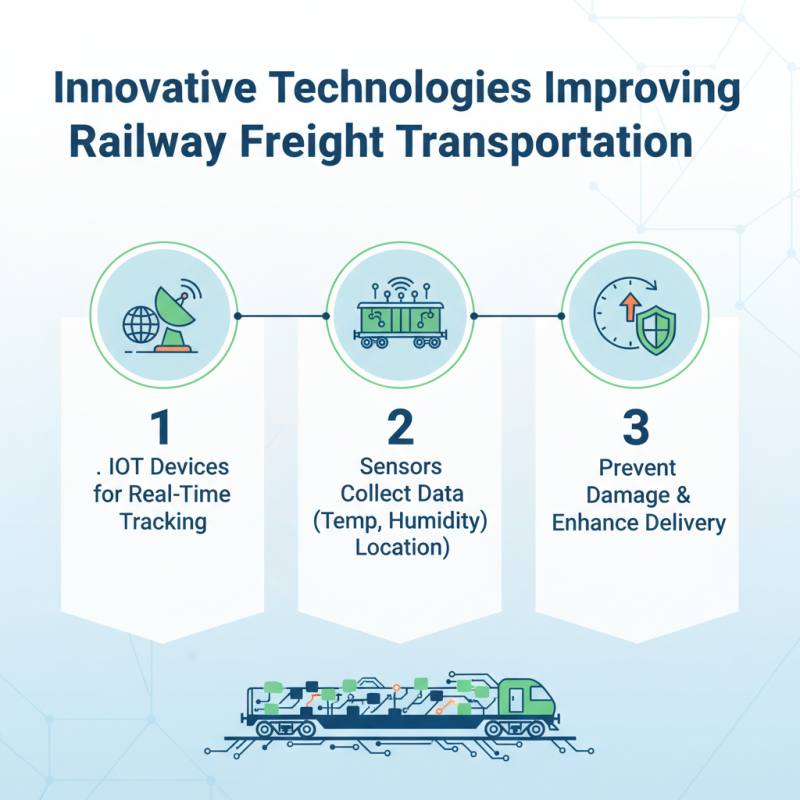
Innovative technologies are reshaping railway freight transportation. The integration of IoT devices enhances real-time tracking. This improvement allows businesses to monitor cargo conditions. Sensors collect data on temperature, humidity, and location. Such details help prevent damage and improve delivery times.
Automation also plays a significant role. Automated loading and unloading processes accelerate operations. However, the shift to these technologies can be challenging. Workforce training remains a crucial aspect of implementation. Employees need to adapt to new systems and routines, which isn’t always easy.
Furthermore, predictive analytics are gaining traction. They help in anticipating maintenance needs. This reduces downtime and enhances reliability. Yet, reliance on data comes with risks. Data breaches are a concern, requiring robust cybersecurity measures. Balancing technology with security is an ongoing challenge in the industry.
Sustainability Practices in Railway Freight: Emissions and Impact
Railway freight services play a crucial role in cargo transportation. The industry is increasingly focusing on sustainability. According to the International Energy Agency, rail transport emits 75% less CO2 per ton-kilometer than road transport. This significant reduction illustrates rail's potential to lower overall transportation emissions.
Incorporating sustainable practices is essential. Railways are investing in advanced technologies, like electrification and energy-efficient locomotives. These innovations can lead to further reductions in emissions. A report by the Association of American Railroads highlights that adopting such technologies can cut greenhouse gas emissions by over 30% in the next decade. However, challenges remain. Many rail systems still rely heavily on fossil fuels, slowing progress toward sustainability goals.
Tip: Companies should regularly assess their carbon footprint. Shifting more cargo to rail can lead to lower emissions overall. Also, engaging in partnerships with rail providers committed to green practices can enhance sustainability efforts.
Sustainable sourcing and waste reduction initiatives are vital. Yet, not all rail services prioritize these practices. Awareness and action in this area are needed. Increase in transparency regarding emissions can foster accountability. It is essential for both businesses and customers to demand better practices from providers for a greener future.