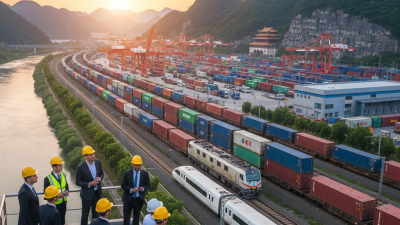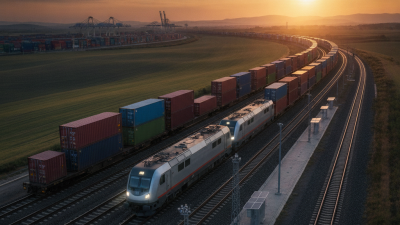
Bulk Transport moves unpackaged materials in large quantities, from grain and cement to iron ore and aggregates. Instead of counting individual boxes, operators manage cargo by weight, volume, flow rate, and handling needs. A shipment may travel by truck, rail, barge, or vessel, then pass through silos, hoppers, conveyors, and loading equipment. Think of grain pouring through a chute into a waiting railcar: efficient movement depends on coordinated equipment and careful planning.
The scale is substantial. UNCTAD’s Review of Maritime Transport 2024 reports that global seaborne trade reached about 12.3 billion tonnes in 2023, across all cargo types—not bulk cargo alone. This figure shows the scale of maritime freight, but it should not be mistaken for a bulk-only estimate. Maritime economist Martin Stopford, author of Maritime Economics, describes shipping demand as “derived demand”: cargo needs determine the need for transport capacity. That principle helps explain why bulk movements respond to harvests, construction activity, energy use, and industrial production.
In practice, the process starts with matching cargo properties to suitable equipment and routes. Moisture, particle size, dust, contamination risk, and unloading speed all matter. A product that flows freely may need different handling from damp, compacted material. Small operational differences can cause delays. Bulk Transport can reduce handling costs per tonne, yet its efficiency depends on reliable scheduling, safe storage, and compatible infrastructure. It is not automatically the cheapest option; distance, transfer points, and equipment availability can change the calculation. This introduction outlines how the system works and what to consider when evaluating it.
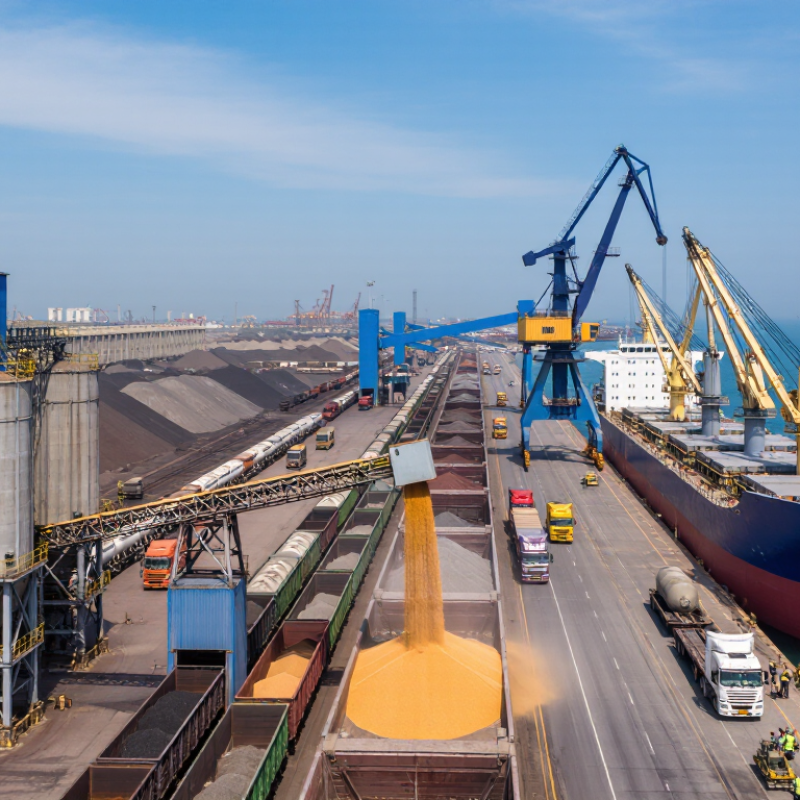
Bulk transport moves commodities without individual retail packaging, usually in large loads. Dry cargoes include grain, sand, cement, and mineral ore. Liquids may include milk, edible oils, or industrial fluids. The material travels directly in a hopper, silo, ship hold, or tank. Simple idea. Careful handling.
Dry goods often move in covered railcars, tipper trucks, or ship holds. The choice depends on distance, cargo properties, and available unloading equipment. Gravity chutes, conveyor belts, and pneumatic systems can transfer material at terminals. Moisture can spoil grain, while fine powders may form clumps or escape as dust. Dust matters. A load that looks uniform from above may still contain damp pockets, so inspection and sampling can reveal problems before unloading.
Liquid commodities usually travel in tank trucks, tank containers, or dedicated pipelines. Operators consider viscosity, temperature, and whether the tank’s previous contents could affect the cargo. Some liquids need insulation or controlled heating; others require careful cooling. Seals, measured volumes, and transfer records help track a shipment from loading to delivery. Small details count. Even with good procedures, estimates of remaining liquid can be imperfect, especially when temperature changes alter its volume.
What bulk transport moves: Dry commodities such as grain, coal, and iron ore, and liquid commodities such as crude oil and vegetable oil. Approximate density affects how much cargo fits in a given space; actual values vary by grade, moisture, and temperature.
Bulk transport moves unpackaged cargo in large loads, often by ship, rail, or conveyor. A cargo’s physical properties shape how it is stored, loaded, and protected. Grain, such as wheat or corn, flows easily through chutes and conveyors. It needs dry, clean holds because moisture can cause clumping, spoilage, or heating. Operators monitor ventilation and cargo condition during a voyage. Even small leaks matter.
Ore and coal are solid mineral cargoes, but they behave differently. Dense iron ore places heavy loads on a vessel’s structure, while coal can create dust and may heat if poorly managed. Loading plans account for weight distribution, drainage, and inspection access. Petroleum is a liquid bulk cargo, transferred by pumps and pipelines into dedicated tanks. Crews monitor flow, pressure, and tank conditions. A spill can spread quickly, so careful checks are essential.
These categories are useful, but not perfectly neat. Grain moisture varies, and ore size and density vary too. Those details can affect loading rates and voyage planning. A cargo survey records its condition before loading and can help explain problems later. Yet records cannot capture every change at sea.
Bulk cargo loading begins with matching equipment to the material’s behavior. Dry grains, pellets, and similar goods often move along belt conveyors, where adjustable chutes guide the stream into a hold or storage bin. Operators watch belt speed and loading position to limit spillage and uneven piles. Keep the flow steady. A hopper buffers incoming material and releases it through a gate; its shape and outlet size affect whether material flows freely or bridges. Dust covers and extraction points can reduce airborne particles, but they need regular checks.
Liquids and some pumpable materials use pumps, hoses, and enclosed tank systems. Before loading, crews confirm hose connections, valve positions, tank capacity, and pressure limits. A flow meter can help track volume, while vents prevent pressure from exceeding the system’s design limits. Start slowly. Then increase flow only when the line behaves as expected. Some facilities combine pumps with fixed pipes and movable loading arms; others use flexible hoses. The right setup depends on viscosity, temperature, distance, and the cargo’s handling requirements. Even a tidy layout can hide a poor drain point or a hard-to-reach valve, so walk-through inspections matter. Small errors show up fast.
| System or Equipment | Cargo Type | How Loading Works | Common Transport Interface | Key Controls and Monitoring | Practical Considerations |
|---|---|---|---|---|---|
| Belt conveyor | Dry, free-flowing solids such as grain, coal, aggregates, and mineral ores. | A moving belt carries material from a receiving point to a transfer chute or loading spout. A telescopic or movable spout can direct material into a vehicle or vessel hold. | Truck, railcar, stockpile, ship loader, or processing plant. | Belt speed, belt scale, tracking sensors, chute level, and emergency-stop devices. | Enclosures, dust collection, and correctly designed transfer chutes help limit dust and spillage. Material size, moisture, and belt angle affect capacity. |
| Hopper with gravity discharge | Dry bulk solids that can flow through an outlet, including grain, pellets, sand, and some fertilizers. | Material is held in a hopper and released through a gate or feeder into a conveyor, truck, railcar, or vessel. Gravity supplies the flow; a feeder can regulate the discharge rate. | Truck, railcar, conveyor, or ship-loading system. | Gate position, feeder speed, hopper level, and vehicle or vessel loading weight. | Outlet size and hopper shape must suit the material. Cohesive or damp material may bridge or rathole and may need flow aids or a different hopper design. |
| Screw conveyor | Enclosed dry solids such as powders, meal, cement, and pellets. | A rotating helical screw moves material through a trough or tube, then discharges it into a receiving container or subsequent conveyor. | Truck, railcar, silo, bagging line, or process vessel. | Screw speed, motor load, inlet flow, and high-level or blockage sensors. | Enclosure can help contain dust. Screw conveyors are generally suited to controlled, shorter transfers; abrasive materials can increase wear. |
| Pneumatic conveying system | Dry powders and small particles, such as flour, cement, and plastic pellets. | A blower or compressor moves material through a pipeline using air. At the destination, a receiver or filter separates the solids from the conveying air. | Bulk truck, railcar, silo, storage bin, or process equipment. | Air pressure, airflow, filter differential pressure, receiver level, and material feed rate. | Pipeline bends, particle properties, and conveying distance affect performance. Filters and dust-control measures are important at the receiving point. |
| Liquid pump and hose or pipeline | Liquid bulk cargo, including water, fuels, edible oils, and some liquid chemicals. | A compatible pump moves liquid from a storage tank or supply line through a hose or pipeline into a receiving tank. Valves direct and stop the flow. | Road tanker, rail tank car, storage tank, or vessel tank. | Flow rate, pressure, tank level, valve position, and leak or overfill alarms. | Pump, seals, hose, and fittings must be compatible with the liquid. Procedures should address containment, safe connection and disconnection, and overfill prevention. |
| Tank system | Liquids and, in specialized equipment, gases or temperature-sensitive bulk products. | A tank provides containment and storage. Loading normally uses a pump or pressure-assisted transfer through dedicated lines and connections; the tank itself does not create the flow. | Road tanker, rail tank car, intermediate storage, or ship tank. | Level or weight, pressure, temperature where required, venting, and high-level alarms. | Tank design and operating procedures depend on the cargo. Product compatibility, safe venting, inspection, and secondary containment requirements vary by material and jurisdiction. |
| Ship loader or loading spout | Dry bulk cargo delivered by conveyors, such as grain, coal, ore, and aggregates. | Conveyed material passes through a chute or spout into the vessel hold. The loading point is repositioned as needed to distribute cargo within the hold. | Bulk carrier or other vessel designed to carry dry bulk cargo. | Conveyor rate, spout position, hold level, cargo weight, and vessel loading sequence. | Loading plans account for cargo distribution and vessel stability. Enclosed or dust-controlled spouts can reduce material loss and airborne dust. |
Typical loading sequence: Cargo is received, conveyed or pumped to the loading point, directed into the transport unit, and monitored for flow, quantity, and safe loading. The appropriate equipment depends on whether the cargo is a solid, liquid, or gas and on its handling characteristics.
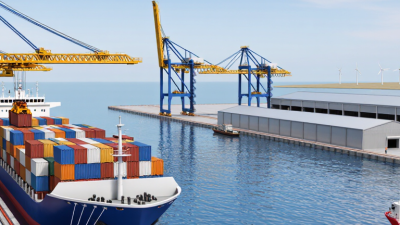
A Panamax bulk carrier typically has a deadweight capacity of 60,000–80,000 tonnes. Deadweight, or DWT, is not the cargo figure alone. It includes fuel, fresh water, crew, stores, and other loads carried aboard. The cargo allowance is lower. It changes with the vessel’s condition and voyage needs. That distinction matters when comparing ship capacity with a port’s loading plan.
Size shapes what the ship can carry and where it can call. A broad hull holds large quantities, while its draft limits access to shallow berths and channels. Cargo density matters, too. Iron ore can fill a vessel’s weight allowance before all hold space is used; lighter grain may fill the holds first.
Loading crews distribute cargo across separate holds, checking weight and stability as the ship settles lower in the water. Unloading may use shore cranes and grabs, or terminal conveyor systems. Small details matter. A tight loading schedule can leave little room for correction, and estimates are not always perfect. Actual usable capacity depends on cargo, weather, water depth, and port limits.
Bulk delivery begins before a vehicle reaches the unloading area. Staff confirm the order, material type, and receiving capacity. At arrival, the vehicle is weighed on a calibrated weighbridge, and its gross weight is recorded. The empty weight is measured after discharge; the difference gives the delivered quantity. Clear records help resolve discrepancies. Small checks matter.
Discharge methods depend on the material and site setup. A tipping body may empty into a receiving pit, while pneumatic equipment can move dry material through enclosed pipes. Operators check connections, watch the flow, and stop if a blockage or leak appears. It is not always tidy. Dust, residual material, or an unexpected weight difference can complicate a routine delivery, so staff should document issues rather than guess.
After receiving, material moves into a designated silo, bay, or covered storage area. Operators track stock levels and keep incompatible materials apart. Moisture and temperature checks may be useful when the material is sensitive to either. When an order is ready, staff select the correct storage point, load the required amount, and record the outgoing quantity. The dispatch plan should match vehicle capacity and delivery timing. A small inventory mismatch can delay the next load, even when the unloading went smoothly.