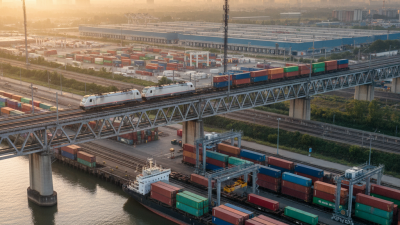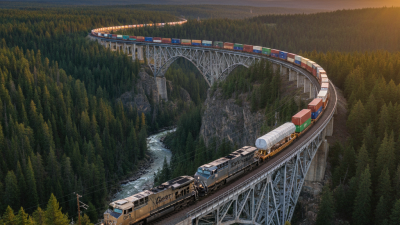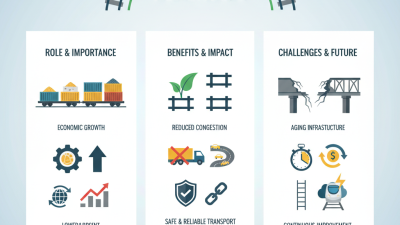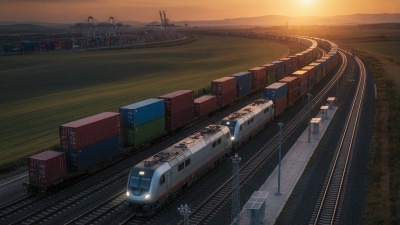
Railway Freight gives shippers several ways to move goods across long distances, but the right choice depends on cargo, route, and delivery needs. In 2026, common options include intermodal container services, full-train or block-train movements, and wagonload services for smaller consignments. Each works differently. A sealed container can transfer between rail and truck with less handling, while a block train may suit a steady flow of similar goods. Wagonload services can offer flexibility, though transfers and schedules may require closer coordination.
The details matter. A shipment’s weight, dimensions, loading equipment, terminal access, and final-mile distance can change the total cost and transit time. Temperature-controlled rail may be suitable for sensitive goods on supported routes, but equipment and service availability should be confirmed directly. Ask providers for current timetables, handling arrangements, cargo limits, and a full cost breakdown—not just the quoted rail rate. Small details count. A nearby station may still mean a long truck journey.
This guide compares the main railway freight options and explains where each may fit. It also considers reliability, capacity, emissions, and connections with road or sea transport. No single service is best for every shipment. Schedules can change, and published transit estimates are not guarantees. One comparison can still miss a local constraint, so verify route-specific details with the rail operator or freight provider before booking.
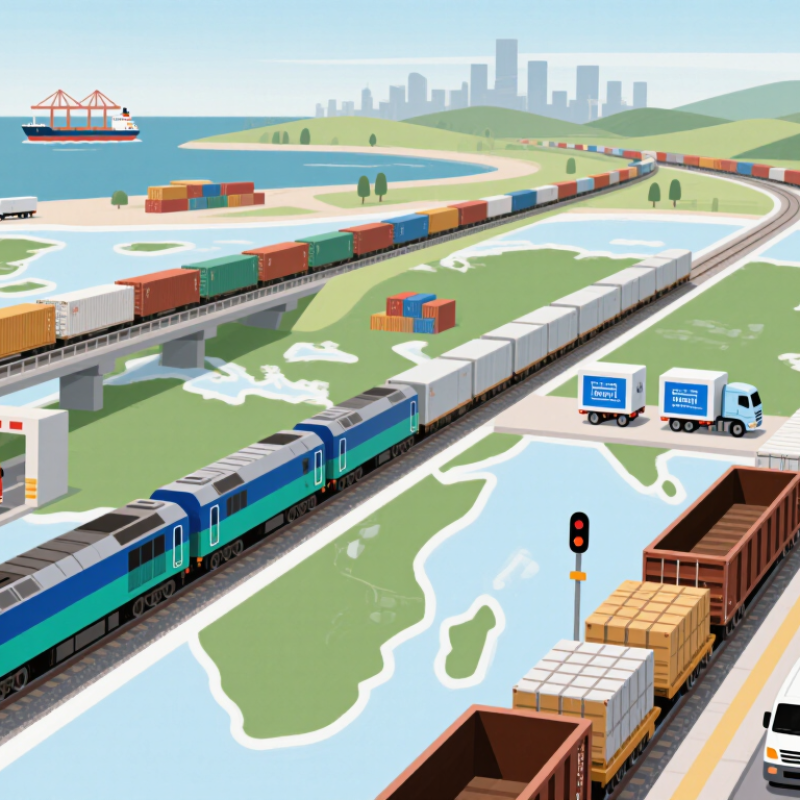
In 2026, match rail service to shipment size and delivery pattern. Intermodal suits containerized loads that need rail for the long haul and trucks for pickup or final delivery. Carload works for smaller quantities that do not fill a train, especially when suitable rail sidings or terminals are available. Unit trains move large, steady volumes between fixed points. They can be efficient, but require dependable capacity at both ends.
Route fit matters as much as volume. The Association of American Railroads reports that one freight train can carry roughly the same amount as 300 trucks. That is a useful capacity comparison, not a promise of faster delivery. Rail schedules, terminal transfers, and first- and last-mile trucking all affect the actual transit time. For time-sensitive shipments, compare door-to-door schedules and service frequency—not just distance between rail terminals. Plans can look neat on paper; delays at a transfer point still happen.
Tips: Ask providers for lane-specific transit estimates, cutoff times, equipment availability, and terminal access. Add a realistic buffer for transfers. The U.S. Environmental Protection Agency’s SmartWay program provides freight emissions tools for comparing transport modes; use route-specific inputs where available, since results vary by load and distance.
What Are the Top Railway Freight Options in 2026?
Assess Intermodal Rail for Containerized Loads and Truck-Rail Connections
Intermodal rail can suit containerized freight moving long distances between major terminals. A container travels by truck to a rail ramp, rides a train for the long haul, then transfers to a truck for final delivery. This can reduce long-distance highway mileage, but it adds terminal handling and coordination. A missed appointment or unavailable chassis can delay the next leg. Check schedules, ramp locations, cutoff times, and the final-mile distance before comparing rates. Rail is not automatically cheaper; the full door-to-door cost matters.
Tips: Confirm who arranges drayage at both ends. Ask how delays are reported, and leave time for terminal transfers. Keep it simple.
Truck-rail connections work best when pickup and delivery points are within practical reach of terminals. Compare the rail route with a direct truck option, including fuel, handling, and expected transit time. For time-sensitive freight, check how often trains depart and whether the delivery window allows for disruption. A lower quote may not help if it misses a production schedule. That detail is easy to overlook. No plan is perfectly smooth, so build in a realistic buffer and verify assumptions with the carrier or freight coordinator.
A comparison of freight emissions intensity, measured in grams of CO₂e per tonne-kilometre.
Intermodal is shown as an illustrative distance-weighted scenario: 90% rail linehaul and 10% truck connections. The factors are rounded planning values based on the UK Government’s 2024 greenhouse gas conversion factors; actual emissions vary with vehicle, load, route, and energy mix. Intermodal rail can suit containerized loads when terminals and first- and last-mile connections fit the route.
Carload service suits freight that arrives in separate lots: lumber, paper, steel, or a few loaded cars of grain. Cars can be routed through classification yards and combined with other shipments, so customers need not fill an entire train. That flexibility has a cost. Extra switching can add transit time, and schedules may be less predictable when cars move through several terminals.
The trade-off is control. A unit train keeps a large shipment together, usually moving one commodity between fixed origin and destination points. It can reduce handling and support regular, high-volume flows, but requires substantial volume and coordinated loading, unloading, and track access.
The Association of American Railroads’ Railroad Facts 2024 reports that U.S. railroads moved about 1.6 billion tons of freight in 2022, illustrating the scale of the network—not the best service for any one shipper. The USDA Agricultural Marketing Service’s Grain Transportation Report tracks weekly rail movements and rates, useful for spotting seasonal pressure on bulk shipments.
In practice, compare total landed cost, available cars, terminal dwell, and delivery windows. A steady flow to one destination may justify a unit train; scattered orders often fit carload service better. Be careful with averages: a good network-wide figure can hide a very slow interchange or a tight unloading slot. And plans change.
For sensitive freight in 2026, the right railcar depends on what can damage the cargo: temperature swings, vibration, moisture, or handling delays. Refrigerated railcars can help maintain a defined temperature range during transit. Confirm the required range, pre-cooling procedure, and monitoring plan before loading. A setpoint alone is not proof that cargo stayed within limits; review temperature records and check sensor placement. Small details matter.
Tips: Ask how often readings are recorded, who receives alerts, and what happens if cooling equipment fails. Leave room for inspection access. Test the loading plan with a small shipment when practical.
Other specialized options may include insulated cars for goods that need protection from rapid temperature changes, or cars with suitable securement for fragile loads. Match the car’s interior, loading method, and handling equipment to the cargo’s packaging. A rail route can be efficient, but terminal dwell time and seasonal weather still affect exposure. Confirm service conditions with the carrier, and build realistic buffers into transit plans. Even a careful plan can miss a weak handoff. Review the first shipment’s records and revise procedures where the evidence points to a gap.
| Rail Freight Option | Suitable Cargo | Temperature Protection | Other Protection | Key Considerations | Best Fit |
|---|---|---|---|---|---|
| Refrigerated railcar | Fresh and frozen foods, some pharmaceuticals, and other goods requiring a controlled temperature. | Active refrigeration can maintain a selected setpoint; the achievable range depends on the equipment and operating conditions. | Enclosed cargo space helps shield goods from weather and direct sunlight. | Confirm required setpoint, pre-cooling, monitoring, ventilation, and procedures for delays or equipment interruption. | Temperature-sensitive cargo moving in suitable rail corridors with planned handling and monitoring. |
| Insulated railcar | Food products, chemicals, and other goods that benefit from reduced exposure to outside temperature changes. | Insulation slows heat transfer but does not actively cool or heat the cargo. | Enclosed construction can reduce exposure to weather and contamination. | Not a substitute for refrigeration where a narrow temperature range must be maintained; consider route duration and ambient conditions. | Cargo needing thermal buffering rather than continuous active temperature control. |
| Temperature-controlled intermodal container on rail | Perishables and other cargo needing a controlled environment across rail and road legs. | A powered refrigerated container can control temperature; power arrangements vary during rail movement and transfers. | Sealed container supports intermodal handling and can limit repeated cargo transfers. | Verify power availability, fuel or battery arrangements, monitoring, handling compatibility, and transfer times. | Door-to-door journeys combining rail with truck transport, where container continuity is useful. |
| Insulated or heated tank car | Bulk liquids and liquefied products whose handling requirements call for insulation, heating, or temperature management. | Insulation may slow temperature change; some designs include heating equipment. Capabilities depend on car design and commodity requirements. | Closed tank contains bulk liquid; construction and fittings must match the commodity and applicable regulations. | Check product compatibility, loading and unloading facilities, pressure and temperature limits, and hazardous-material rules where applicable. | Bulk liquids that require a purpose-designed tank and, where needed, thermal support. |
| Covered hopper | Dry bulk such as grain, plastic pellets, and selected industrial materials. | Generally no active temperature control; it is not intended for refrigerated cargo. | Covered design helps protect loads from precipitation and some external contamination. | Confirm commodity-specific cleanliness, moisture protection, loading, and discharge requirements. | Non-perishable bulk cargo where weather protection matters more than temperature control. |
Note: Actual temperature performance, availability, permitted cargo, and operating requirements vary by car design, route, carrier, and jurisdiction. Confirm specifications and handling plans before shipment.
In 2026, the best railway freight option depends on shipment size, urgency, and access to terminals. For large, steady volumes, unit trains often rank first on cost. They move one commodity between fixed points, reducing stops and handling. A full train of grain or aggregate can make efficient use of fuel and crew time. The trade-off is limited flexibility. A shipper may need enough cargo to fill many cars.
For smaller loads, carload service can cost less than booking an entire train, but switching and transfers may add days. Intermodal service, which combines rail with truck delivery, often ranks higher for speed and schedule flexibility on suitable routes. A container may leave a terminal quickly, though truck drayage and terminal queues affect the real delivery time. Small delays matter.
AAR’s often-cited benchmark says freight rail can move one ton about 500 miles on a gallon of fuel. It is a useful efficiency reference, not a promise that every route or shipment will match it. Grades, empty return cars, weather, and train weight all change performance. Ask carriers for route-specific transit estimates and fuel or emissions data, then compare those figures with total cost per shipment. The benchmark is impressive, but it does not tell the whole story.